A Complete Guide to Electric Sub Meters for Apartments
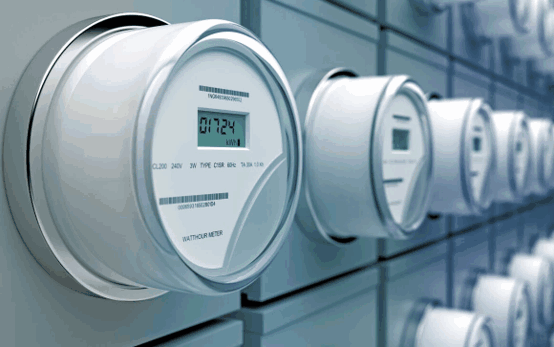
Currently, apartment building electricity metering commonly employs two traditional solutions: the most widespread is a single independent electricity meter per household; the other is a distribution panel with integrated meter boxes, typically housing 5-6 meters in a large enclosure. The main power supply enters the box, and then branch wiring connects to individual meters and independent circuit breaker boxes. Both traditional solutions require large cabinet spaces, consume a lot of wiring materials, and have high overall costs.
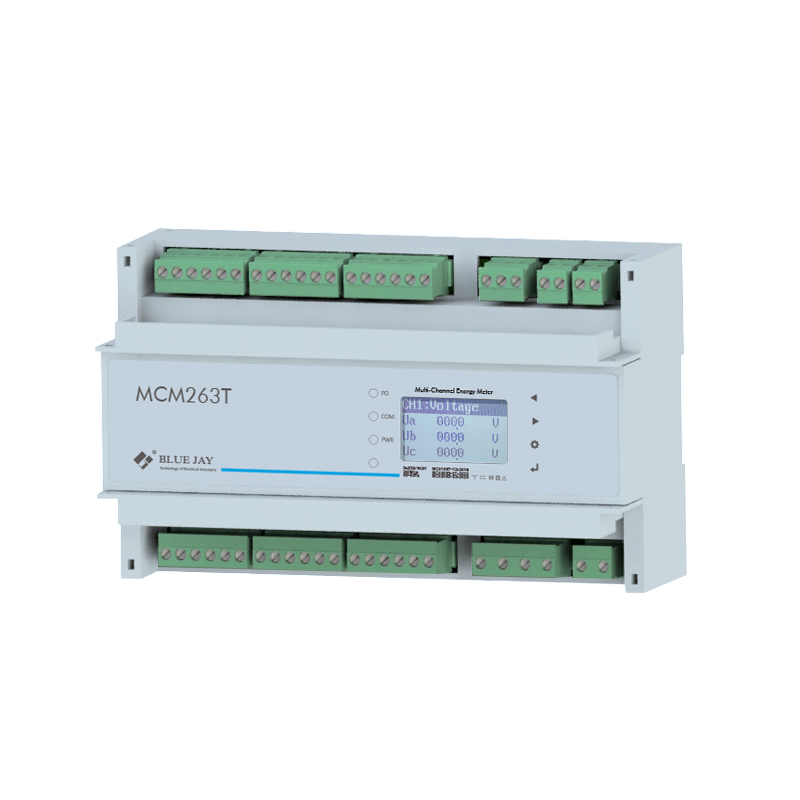
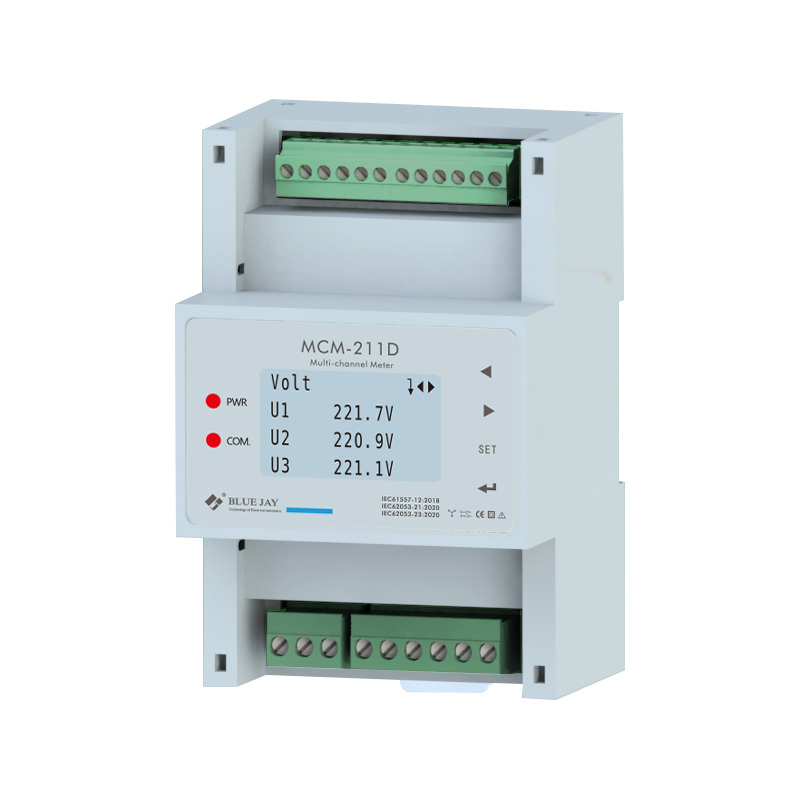
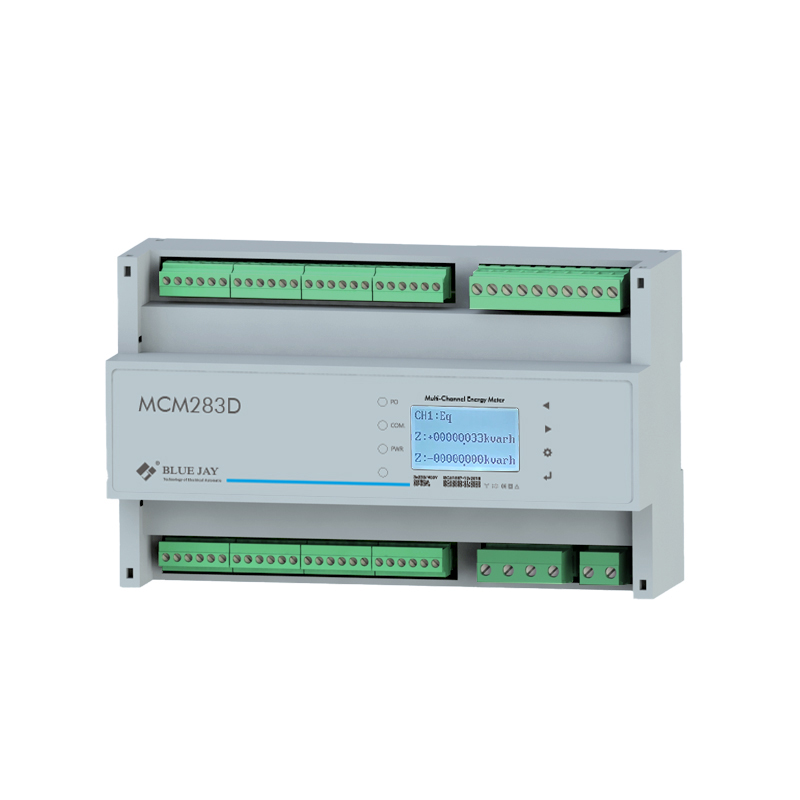
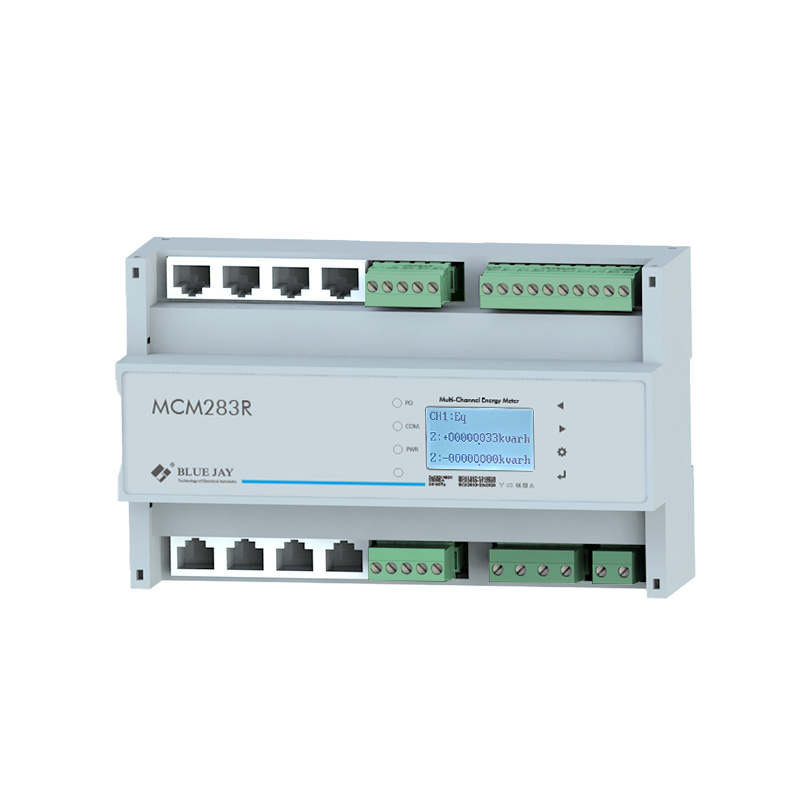
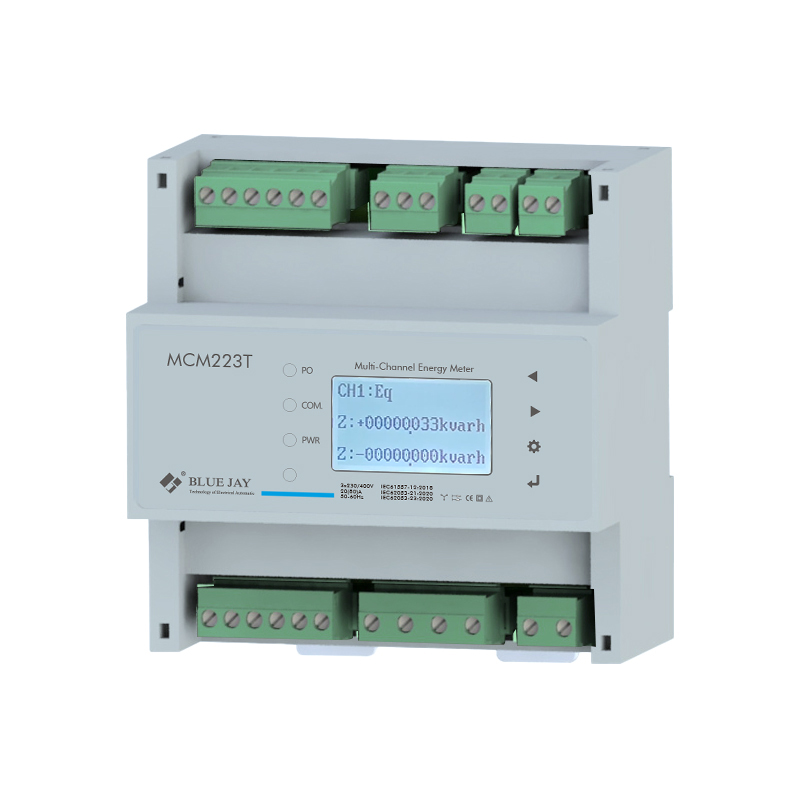
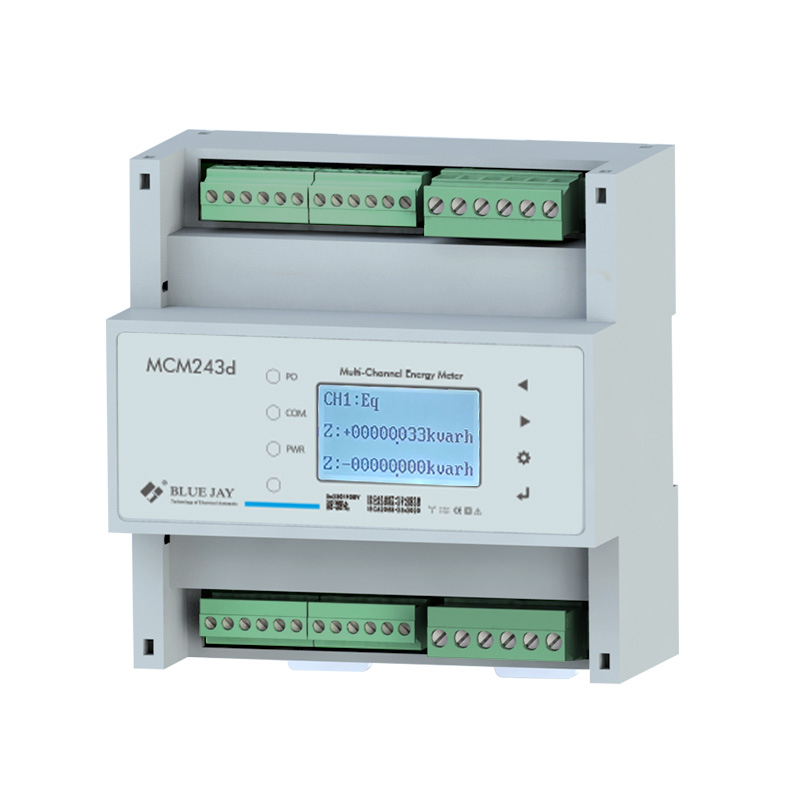
This has led to the development of multi-circuit apartment sub-meters: a single device integrates multiple independent metering channels, allowing one meter to connect to 4/6/8/12 household circuits, integrating multi-household metering into one unit and significantly saving distribution box installation space.
What is Blue Jay Electric Sub meters for Apartment
Blue Jay Electric submeters for apartments are downstream secondary metering instruments, installed on the floor distribution branches downstream of the building’s main meter.
Each metering channel within the meter is independent, with each outgoing line corresponding to a single apartment resident, accurately collecting the electricity consumption of each household. Unlike the main meter connected to the power company, this meter is not used for power company billing; it primarily serves the apartment property management, handling individual tenant electricity billing and calculating the building’s overall public energy consumption.
Benefits of mutli circuit electric meters for apartments
Accurate billing & compliance
Calculate each tenant’s real power consumption instead of average apportionment to avoid billing disputes. Separate resident loads from common power like lifts and corridor lighting, and meet local electrical rental regulations legally.
Effective energy control
Spot abnormal power loss or cable leakage quickly via separate circuit data to cut unnecessary energy waste.
Lower installation cost
Multi-channel design replaces dozens of separate meters to save cabinet space and wiring cost during installation.
Easy maintenance & future expansion
Centralized data collection enables remote meter reading; spare channels can monitor main incoming power or new split rooms without installing extra meters.
Apartment Power Meter Retrofit Project
Taking an apartment building renovation project with 17 independent units as an example: With the traditional individual unit solution, each of the 17 units required an independent meter, plus one meter to monitor the building’s total incoming power. This resulted in a total of 18 separate meters, occupying a large cabinet space and involving complex wiring.
The project replaced this with a single 18-channel multi-circuit apartment sub-meter: one metering channel connects to the building’s main incoming power circuit for total building power consumption statistics; the remaining 17 channels independently meter each unit’s electricity consumption.
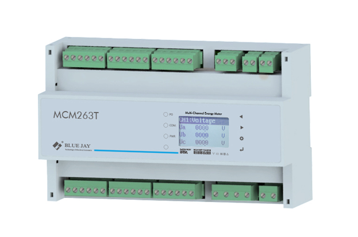
A single meter performs all the metering functions of the original 18 meters, significantly reducing the space occupied by the distribution box, while also reducing cable consumables and subsequent maintenance workload. This clearly demonstrates the significant advantages of multi-circuit individual unit meters in terms of space and construction costs.
Single-point Meter Vs Multi-point Meter
| Comparison Dimensions | Traditional Single-point Meters | Multi-point Meter |
| Installation Space | Each household has its own independent meter, leading to bulk installations that significantly occupy internal space in the distribution box. | A single unit integrates multiple metering channels, with a small cabinet footprint, suitable for retrofitting small distribution panels. |
| Cabling Costs | Each household has its own independent outgoing wiring, resulting in high cable consumption and labor costs. | Centralized busbar entry and internal branching within the meter simplify wiring and save on materials and installation costs. |
| Enclosure Configuration | A modular distribution box with 5-6 meters is required, further increasing space requirements due to the multiple meters and boxes. | One meter can meter multiple households, eliminating the need for separate meter boxes and simplifying cabinet structure. |
| Post-installation Maintenance | The meters are scattered, necessitating individual meter checks for meter reading and troubleshooting. | Centralized electricity data collection supports remote meter reading and centralized maintenance points; newly added compartments can reuse spare metering channels. |
How to choose electric meters for flats
Select meter channel specifications based on the total number of apartment units.
Calculate the actual number of apartment residents and match multi-circuit meters of different specifications (4/6/8/12/18 channels, etc.), prioritizing the reservation of spare channels to avoid a lack of usable points for future expansion.
Differentiate metering needs and reserve additional channels for monitoring common circuits.
If it is necessary to separately measure the total power supply of the entire building, corridor lighting, elevators, water pumps, and other common loads, reserve an additional number of metering channels during the selection process to separate the metering of resident electricity consumption from shared electricity consumption.
Confirm whether to select a network communication model based on meter reading needs.
If the property management needs remote centralized meter reading and online viewing of energy consumption data, select meters with RS485/MODBUS communication networking functions; for small, scattered apartments and manual on-site meter reading, basic non-communication models can be selected to control procurement costs.
To comply with billing regulations, select the accuracy class
For tenant electricity billing and formal payment scenarios, commercial billing-grade accuracy meters must be selected to ensure metering accuracy complies with rental billing standards in various countries; for internal energy consumption monitoring only, ordinary accuracy models can be used.
Select the installation type based on project type
For power distribution renovation in older apartments with compact distribution boxes, DIN rail-mounted multi-circuit meters are preferred; for newly built apartments with pre-installed distribution panels, wall-mounted integrated models can be selected as needed.
Which Apartment buildings need electrical sub meters
Long-term rental converted apartments (partitioned units)
Older residential buildings and large, older apartments are being divided into multiple single rooms for rent. Existing electrical distribution boxes often have limited space, making it impossible to install individual meters for each unit. Multi-circuit meters are preferred, allowing one meter to handle metering for multiple units.
Centralized staff dormitories, student apartments, and clustered apartments
With densely packed units and compact floor distribution panels, large-scale installation of individual units is necessary. Multi-circuit solutions save on cabinet, wiring, and construction costs.
Small-scale rental apartments and detached multi-unit rental villas
The building has a small number of units (less than a dozen). We want to monitor the total power supply to each unit, the electricity consumption of each unit, and the shared electricity consumption of the corridor/water pump, and use the empty passageway for one-stop metering.
Property-managed apartments (requiring unified remote meter reading and billing)
Landlords/property management companies need to collect electricity fees centrally and avoid disputes over shared costs. Remote centralized energy consumption reading is required. Multi-circuit submeters with communication capabilities are suitable for unified intelligent management.
Conclusion
In short, proper selection of electric meter in apartment buildings plays a vital role in billing accuracy, maintenance expense control and electrical panel renovation. Compared with conventional single standalone meters for each flat, Blue Jay multi-circuit apartment sub meters save cabinet space, cut wiring cost and simplify centralized energy management, making them an optimal pick for renovated rental units, student housing and multi-family apartment buildings.
By matching channel quantity, communication functions and installation types to your actual property conditions, property owners can achieve cost-effective and hassle-free sub-metering for apartments.