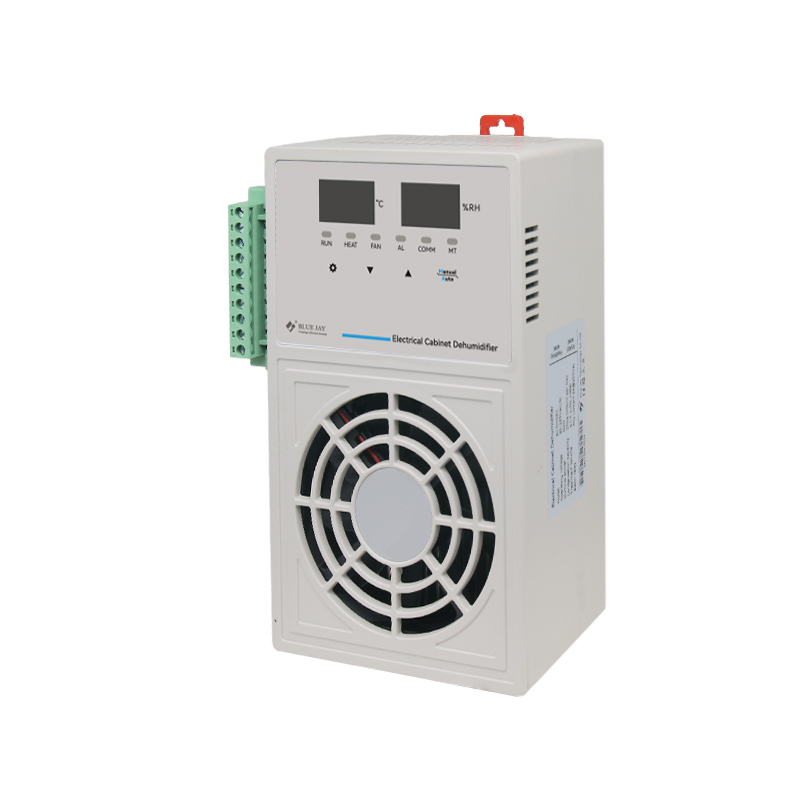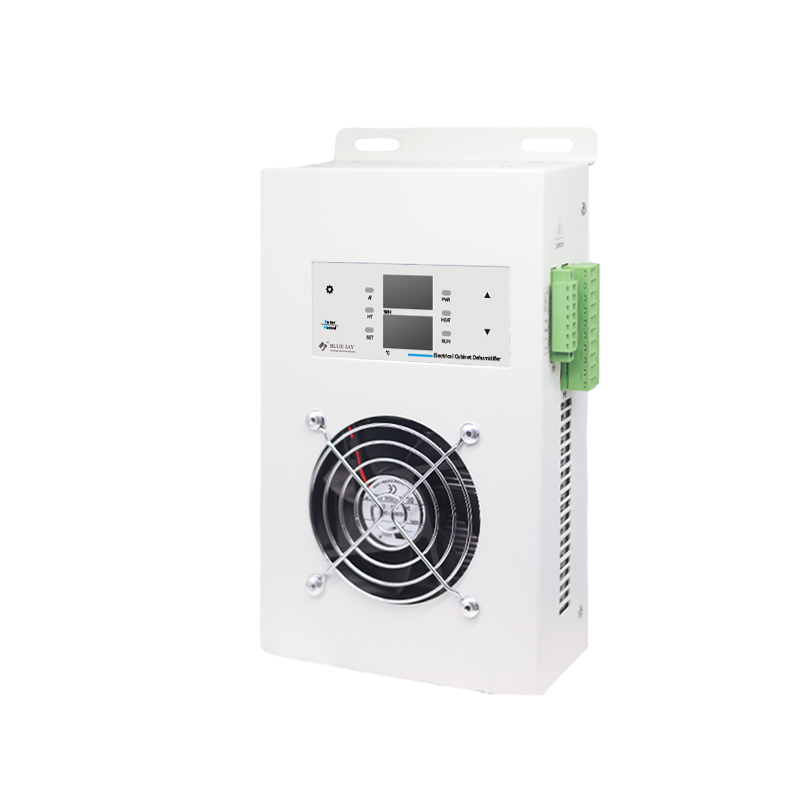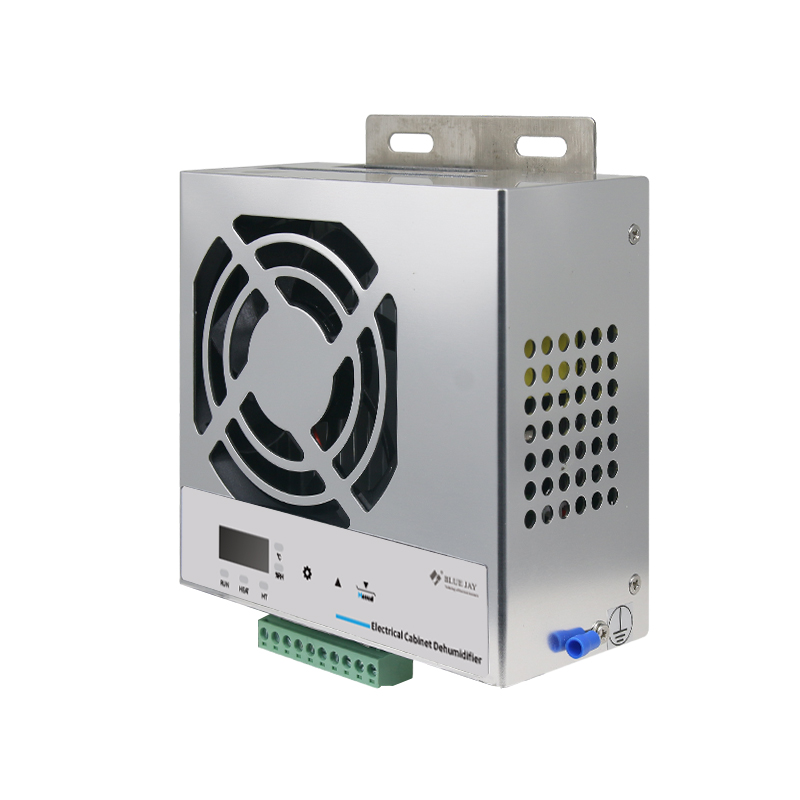
What is electric cabinet dehumidifier construction
Do you know the electric cabinet dehumidifier construction? This
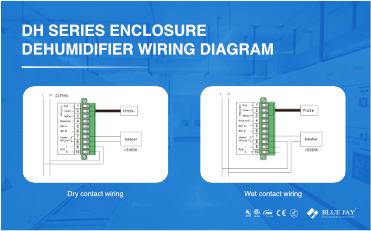
The Blue Jay DH Series electrical cabinet dehumidifier comes equipped with two standard wiring output configurations: dry contact and wet contact. The specific wiring method selected depends primarily on the type of control system present in the electrical cabinet at the installation site, as well as the requirements of any external ancillary equipment—such as alarms, heaters, or PLC monitoring systems—that need to be connected.
If the incorrect wiring configuration is chosen, it can lead to signal mismatches and a failure of equipment to interlock; furthermore, it may compromise the stable operation of the dehumidifier and the effectiveness of the cabinet’s moisture protection. Therefore, selecting the appropriate wiring mode based on specific site conditions is of critical importance. This article provides a detailed explanation of the principles, differences, and standard wiring procedures for the dry contact and wet contact outputs found on the Blue Jay DH Series dehumidifiers.
In this article, “dry contacts” and “wet contacts” refer to the output terminals found on the Blue Jay DH series dehumidifiers, which are used to communicate with external devices (such as alarms, heaters, or PLC systems). The fundamental difference between the two lies in whether the terminal provides its own power source (wet contact) or relies on an external power source (dry contact). This distinction determines the wiring method for the dehumidifier as well as the types of devices that can be connected to it.
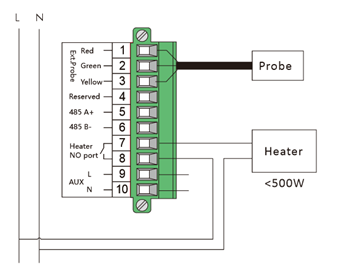
Dry contact outputs are a standard feature on the Blue Jay DH series dehumidifiers. These are relay-based passive switches that do not generate voltage themselves; they serve solely to complete or interrupt an external circuit. When the electrical cabinet dehumidifier detects specific conditions (e.g., a system fault or humidity reaching a preset threshold), its internal control board triggers the relay to actuate, causing the contacts to close or open. This action sends a signal to the external circuit, thereby activating or deactivating the connected device; however, the power for these devices is supplied externally rather than by the dehumidifier itself.
For example, if your dehumidifier’s dry contact is connected to a PLC, the PLC provides the power source (typically 24V DC or 220V AC), while the dehumidifier’s dry contact acts merely as a switch that completes the circuit when triggered.
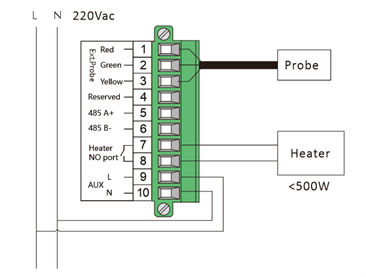
Wet contact outputs are an optional feature on the Blue Jay DH series dehumidifiers, designed specifically for simple, low-power applications. Unlike passive dry contacts, wet contacts feature a built-in, independent power supply module. This eliminates the need for an external power source for connected devices, as the wet contact draws power directly from the dehumidifier’s main power supply, converts it into a fixed output voltage (typically 220V AC or 24V DC), and directly powers external low-power loads.
When the dehumidifier triggers a specific event (e.g., a device fault, or humidity levels in the electrical cabinet exceeding limits, necessitating anti-condensation heating), its internal control circuit automatically enables the wet contact output terminals, delivering the fixed voltage to the external load. If configured for anti-condensation heating, this allows it to directly drive small heaters (up to 500W) into operation. Once the triggering conditions cease (e.g., humidity returns to acceptable levels or the fault is resolved), the internal control switch within the wet contact automatically opens, cutting off the power supply and causing the heater to stop running.
The choice between dry-contact and wet-contact wiring for an enclosure dehumidifier depends primarily on the following three key factors:
All Blue Jay DH series models can be configured with either dry or wet contacts at the time of order. If you are unsure which option to choose, we recommend selecting dry contacts; they offer greater versatility and can be utilized even in simple scenarios by adding an external power supply.
DH Series Dehumidifier Dry Contact Wiring Diagram
DH Series Dehumidifier Wet Contact Wiring Diagram
The Blue Jay DH Series cabinet dehumidifiers are designed to safeguard your electrical enclosures against moisture damage—whether you are contending with condensation issues within a substation or the humid conditions of an outdoor control cabinet. By understanding the distinction between dry contacts and wet contacts, you can ensure that the dehumidifier integrates seamlessly with your control system, operates reliably, and keeps your equipment secure.

Do you know the electric cabinet dehumidifier construction? This

There are many industrial enclosure dehumidifier types based on

Blue Jay Electrical cabinet dehumidifier application includes control cabinets,