3 Differences Between Single Phase And Three Phase Energy Meter
By bluejay | Company News
When choosing an energy meter, you may want to know the difference between a single-phase and three-phase energy meter. This article delves into their differences, including their definitions, advantages, and other key distinctions.
Table of Contents
Difference between single phase and three phase energy meter in the definition
What Is a Single-Phase Energy Meter?
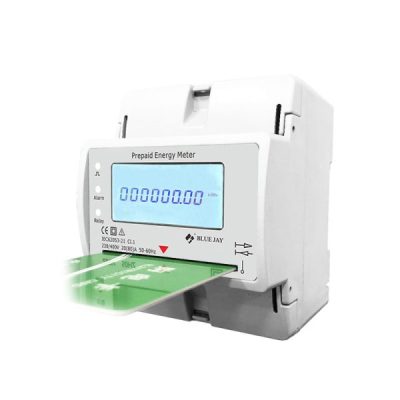
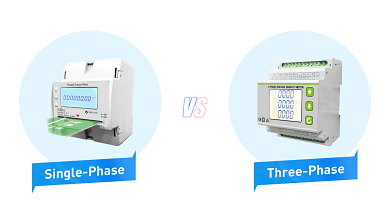
A single-phase energy meter is a device used to measure energy consumption in single-phase power systems. Single-phase power systems typically consist of two conductors: one phase conductor and one neutral conductor. This type of power system is widely used in many residential and small commercial buildings, providing power for lighting, televisions, household appliances, and more. Single-phase energy meters are designed specifically for measuring energy consumption in these single-phase power systems accurately.
What Is a Three-Phase Energy Meter?
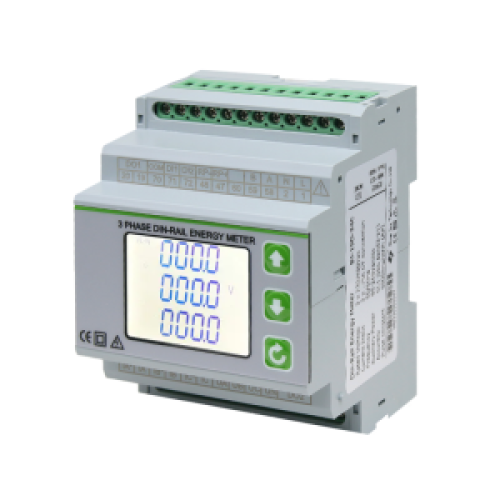
A three-phase energy meter is a power measurement instrument designed specifically for high-power environments. By monitoring the three phases of the AC circuit (usually including three phase lines and one neutral line), it can efficiently measure the power consumption of high-voltage systems such as 400V/415V. It is widely used in factories, commercial buildings and high-power industrial equipment to ensure accurate metering and energy efficiency management under large-scale power loads.
Difference between single phase and three phase energy meter in advantages
Three phase meter vs single phase meter – What’s difference in advantages?
Advantages of single phase energy meter
- Versatile Application: Single-phase energy meters are designed for single-phase power systems so they are widely used in residential and small commercial buildings.
- Simple Installation: Single-phase energy meters typically have straightforward installation requirements and do not necessitate complex cabling and connections.
- Cost-Effective: Single-phase energy meters are often more cost-effective than their three-phase counterparts, making them suitable for small power consumers.
Advantages of a Three-Phase Energy Meter
- High-Power Applications: Three-phase power systems are suitable for large machinery and industrial equipment, making three-phase energy meters suitable for high-power applications.
- Efficient Power Transmission: Due to having more power phases in three-phase power systems, power transmission is more uniform and efficient.
- Complex Applications: Three-phase energy meters are suitable for complex industrial and commercial applications, meeting the demands of large power requirements.
Difference between single phase and three phase energy meter in other aspects
In addition to the advantages mentioned above, there are other key differences between single-phase and three-phase energy meters in the following:
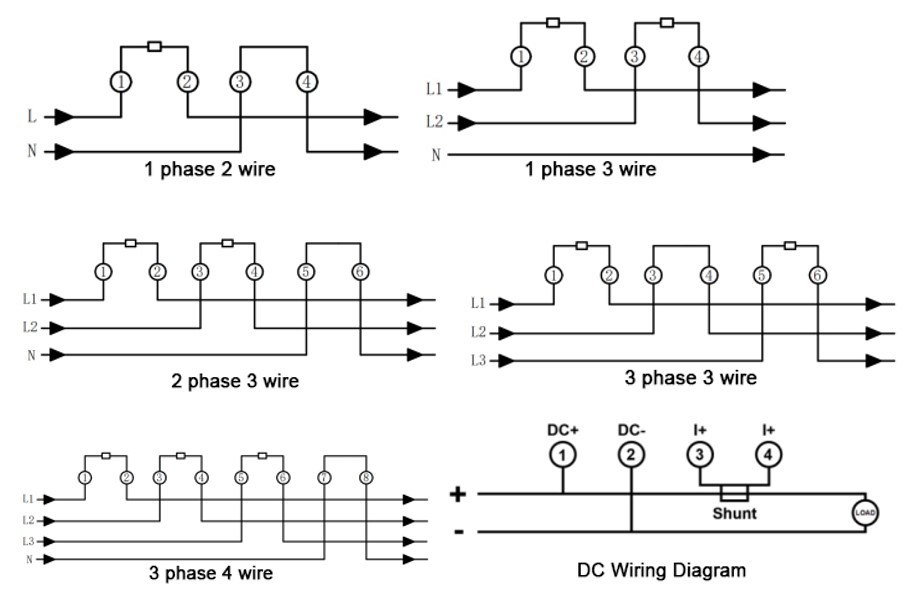
- Power Supply Wiring: Single-phase power systems are typically used for low-power applications, while three-phase power systems are used for high-power applications. Single-phase power systems have one power phase, while three-phase power systems have three power phases. A three-phase energy meter typically utilizes three hot wires (phases) and a neutral wire, requiring a total of 10 connection terminals. These meters are often used in conjunction with a transformer, or current transformer (CT), to handle higher current loads. Conversely, a single-phase energy meter uses only one hot wire and a neutral wire, resulting in just four connection terminals. Single-phase meters generally don’t incorporate transformers for current measurement.
- Function: Three-phase energy meters are primarily used to measure the power delivered by AC circuits. They are capable of measuring both active and reactive energy. Single-phase energy meters, on the other hand, are mainly designed to measure active energy and offer comparatively simpler functionality.
- Voltage Specification: Single-phase power systems typically have lower voltages, whereas three-phase power systems have higher voltages. When it comes to voltage specifications, three-phase energy meters offer a wider range of options, commonly including 3*220/380V and 3*57.7/100V. In contrast, single-phase energy meters typically default to a 220V specification.
- Current specification: The current specifications also vary. For three-phase meters, common current ratings include 1.5(6)A, 5(60)A, 10(80)A, and 10(100)A. Additionally, three-phase meters can be used with current transformers (CTs). This means that three-phase meters used with CTs don’t have a fixed maximum current rating. Any current level can be measured as long as the CT’s transformation ratio is appropriately chosen. For single-phase energy meters, the standard current specification is generally 5(60)A.
- Efficiency: Three-phase power systems offer higher energy transmission efficiency due to power distribution across three phases.
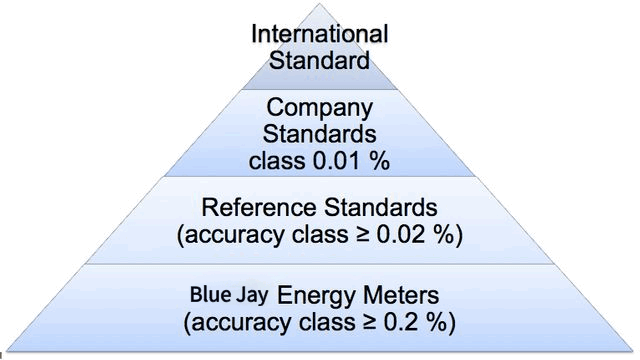
- Energy Meter Accuracy Class: Three-phase electricity meters offer greater accuracy, typically rated at 0.2S and 0.5S accuracy classes. Single-phase meters, in contrast, are generally limited to a maximum accuracy class of 1.
Conclusion
Understanding these differences is crucial when selecting an energy meter to ensure you choose the right one based on your specific needs and power system. Single-phase energy meters are suitable for low-power and small applications, while three-phase energy meters are ideal for high-power and large applications. Selecting the correct energy meter based on your requirements and power system will help accurately measure and manage energy consumption, ensuring efficient and stable power supply. Here are key difference summary of single phase meter vs 3 phase meter.
Feature
Single Phase Energy Meter
Three Phase Energy Meter
Number of Conductors
2 (1 phase + 1 neutral)
3(3 phases)/4 (3 phases + 1 neutral)
Voltage
220V/230V
380V / 400V / 415V
Application
Homes and small businesses,single phase electrical motors
Industries and commercial buildings, Factories, large machinery, data centers, EV charging stations
System Complexity
Simple
Complex
Power Continuity
Power failure if one phase is interrupted
Continuous supply if one phase fails
Efficiency
Less efficient for large loads
Highly efficient for heavy usage
Installation Cost
Lower
Higher
Recommended Single Phase Energy Meter
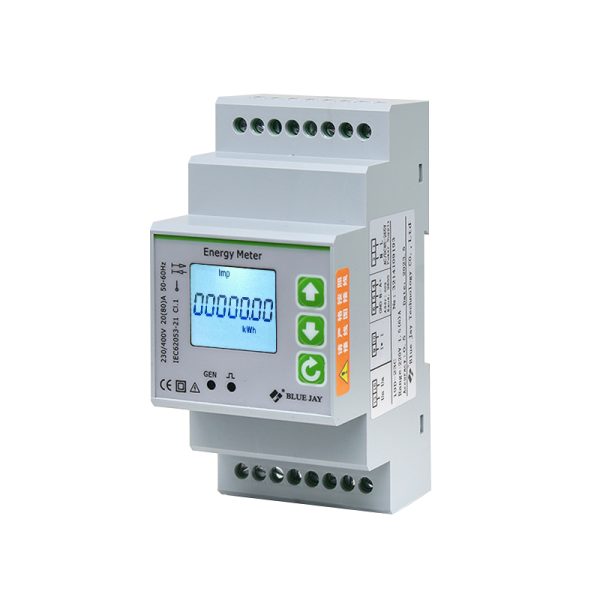
DEM-3M1C Single Phase Energy Meter
The DEM-3M1C is designed for single-phase energy measurement on a medium and low-voltage system
- Standard 35mm din rail mounting, width 3M size
- The supply voltage can range from 100 to 230V
- Pulse output kWh/kvarh RS485 communication Modbus RTU
- External CT 1 A or 5 A
Recommended Three Phase Energy Meter
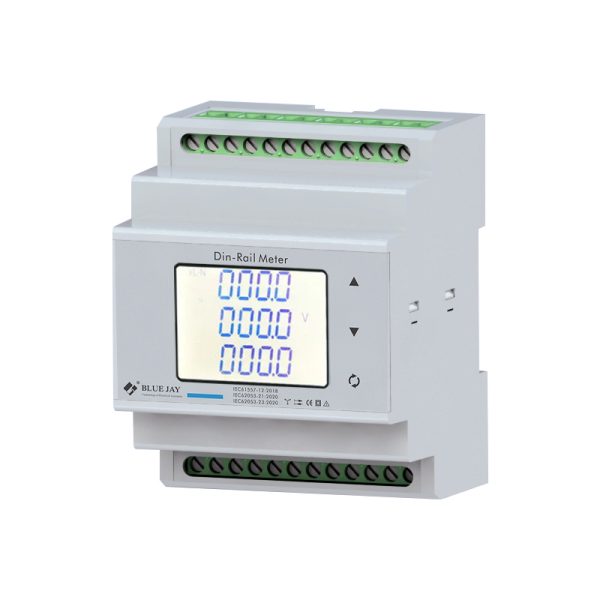
DEM-4MC Din Rail 3 Phase Energy Meter
DEM-4MC can measuring current up to 999A with external CT.
- Wide Application: 1P2W, 3P3W, 3P4W system
- 0.5% Accuracy Measurement for parameters
- Digital and Pluse Ouput with RS485 Port
- Compact size and 35mm Din rail mounting
Related Articles
Tags
Company News
When choosing an energy meter, you may want to know the difference between a single-phase and three-phase energy meter. This article delves into their differences, including their definitions, advantages, and other key distinctions.
Difference between single phase and three phase energy meter in the definition
What Is a Single-Phase Energy Meter?
A single-phase energy meter is a device used to measure energy consumption in single-phase power systems. Single-phase power systems typically consist of two conductors: one phase conductor and one neutral conductor. This type of power system is widely used in many residential and small commercial buildings, providing power for lighting, televisions, household appliances, and more. Single-phase energy meters are designed specifically for measuring energy consumption in these single-phase power systems accurately.
What Is a Three-Phase Energy Meter?
A three-phase energy meter is a power measurement instrument designed specifically for high-power environments. By monitoring the three phases of the AC circuit (usually including three phase lines and one neutral line), it can efficiently measure the power consumption of high-voltage systems such as 400V/415V. It is widely used in factories, commercial buildings and high-power industrial equipment to ensure accurate metering and energy efficiency management under large-scale power loads.
Difference between single phase and three phase energy meter in advantages
Three phase meter vs single phase meter – What’s difference in advantages?
Advantages of single phase energy meter
- Versatile Application: Single-phase energy meters are designed for single-phase power systems so they are widely used in residential and small commercial buildings.
- Simple Installation: Single-phase energy meters typically have straightforward installation requirements and do not necessitate complex cabling and connections.
- Cost-Effective: Single-phase energy meters are often more cost-effective than their three-phase counterparts, making them suitable for small power consumers.
Advantages of a Three-Phase Energy Meter
- High-Power Applications: Three-phase power systems are suitable for large machinery and industrial equipment, making three-phase energy meters suitable for high-power applications.
- Efficient Power Transmission: Due to having more power phases in three-phase power systems, power transmission is more uniform and efficient.
- Complex Applications: Three-phase energy meters are suitable for complex industrial and commercial applications, meeting the demands of large power requirements.
Difference between single phase and three phase energy meter in other aspects
In addition to the advantages mentioned above, there are other key differences between single-phase and three-phase energy meters in the following:
- Power Supply Wiring: Single-phase power systems are typically used for low-power applications, while three-phase power systems are used for high-power applications. Single-phase power systems have one power phase, while three-phase power systems have three power phases. A three-phase energy meter typically utilizes three hot wires (phases) and a neutral wire, requiring a total of 10 connection terminals. These meters are often used in conjunction with a transformer, or current transformer (CT), to handle higher current loads. Conversely, a single-phase energy meter uses only one hot wire and a neutral wire, resulting in just four connection terminals. Single-phase meters generally don’t incorporate transformers for current measurement.
- Function: Three-phase energy meters are primarily used to measure the power delivered by AC circuits. They are capable of measuring both active and reactive energy. Single-phase energy meters, on the other hand, are mainly designed to measure active energy and offer comparatively simpler functionality.
- Voltage Specification: Single-phase power systems typically have lower voltages, whereas three-phase power systems have higher voltages. When it comes to voltage specifications, three-phase energy meters offer a wider range of options, commonly including 3*220/380V and 3*57.7/100V. In contrast, single-phase energy meters typically default to a 220V specification.
- Current specification: The current specifications also vary. For three-phase meters, common current ratings include 1.5(6)A, 5(60)A, 10(80)A, and 10(100)A. Additionally, three-phase meters can be used with current transformers (CTs). This means that three-phase meters used with CTs don’t have a fixed maximum current rating. Any current level can be measured as long as the CT’s transformation ratio is appropriately chosen. For single-phase energy meters, the standard current specification is generally 5(60)A.
- Efficiency: Three-phase power systems offer higher energy transmission efficiency due to power distribution across three phases.
- Energy Meter Accuracy Class: Three-phase electricity meters offer greater accuracy, typically rated at 0.2S and 0.5S accuracy classes. Single-phase meters, in contrast, are generally limited to a maximum accuracy class of 1.
Conclusion
Understanding these differences is crucial when selecting an energy meter to ensure you choose the right one based on your specific needs and power system. Single-phase energy meters are suitable for low-power and small applications, while three-phase energy meters are ideal for high-power and large applications. Selecting the correct energy meter based on your requirements and power system will help accurately measure and manage energy consumption, ensuring efficient and stable power supply. Here are key difference summary of single phase meter vs 3 phase meter.
| Feature | Single Phase Energy Meter | Three Phase Energy Meter |
| Number of Conductors | 2 (1 phase + 1 neutral) | 3(3 phases)/4 (3 phases + 1 neutral) |
| Voltage | 220V/230V | 380V / 400V / 415V |
| Application | Homes and small businesses,single phase electrical motors | Industries and commercial buildings, Factories, large machinery, data centers, EV charging stations |
| System Complexity | Simple | Complex |
| Power Continuity | Power failure if one phase is interrupted | Continuous supply if one phase fails |
| Efficiency | Less efficient for large loads | Highly efficient for heavy usage |
| Installation Cost | Lower | Higher |
Recommended Single Phase Energy Meter
DEM-3M1C Single Phase Energy Meter
The DEM-3M1C is designed for single-phase energy measurement on a medium and low-voltage system
- Standard 35mm din rail mounting, width 3M size
- The supply voltage can range from 100 to 230V
- Pulse output kWh/kvarh RS485 communication Modbus RTU
- External CT 1 A or 5 A
Recommended Three Phase Energy Meter
DEM-4MC Din Rail 3 Phase Energy Meter
DEM-4MC can measuring current up to 999A with external CT.
- Wide Application: 1P2W, 3P3W, 3P4W system
- 0.5% Accuracy Measurement for parameters
- Digital and Pluse Ouput with RS485 Port
- Compact size and 35mm Din rail mounting