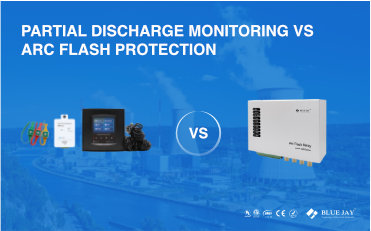
Partial Discharge Monitoring vs Arc Flash Protection
In power systems, both partial discharge (PD) monitoring and arc flash protection are widely used to safeguard medium-voltage and high-voltage switchgear. However, many users often confuse these two systems during selection and deployment, and are unclear on their distinct roles and how to choose between them. This article introduces their core differences through straightforward comparisons, helping you easily tell them apart and make the right choice.
Partial Discharge Monitoring vs Arc Flash Protection - what's difference?
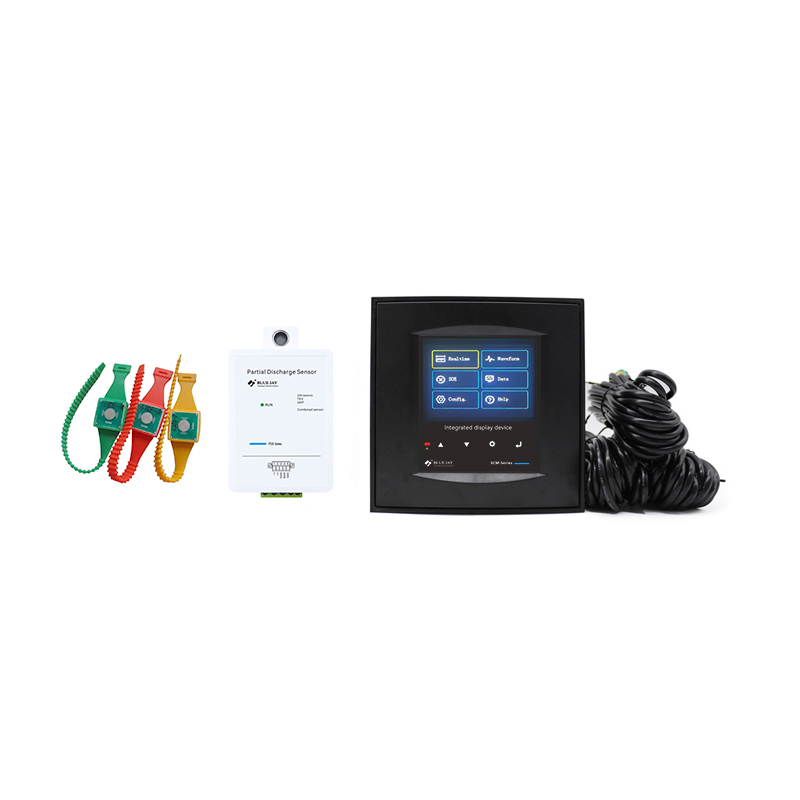
Partial discharge monitoring acts as a full-time doctor for power equipment, providing year-round routine physical exams. It detects hidden insulation defects and aging problems in advance for early warning.
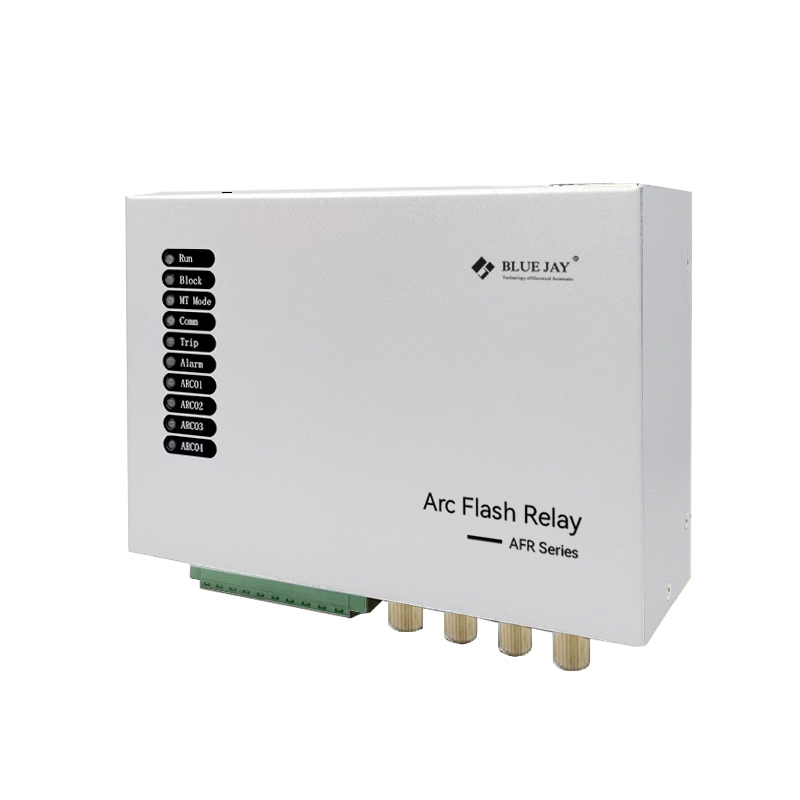
Arc flash protection, by contrast, works like an emergency specialist that takes immediate action the moment a sudden fault occurs. It trips the circuit instantly to minimize damage and protect both equipment and personnel.
PD Monitoring vs Arc Flash Protection - Early Warning vs Emergency Isolation
The most fundamental difference between the two lies in their distinct core protective objectives. Partial discharge monitoring tells you that your equipment may be falling ill, whereas arc flash protection intervenes to perform life-saving resuscitation when your equipment suffers a sudden, catastrophic failure.
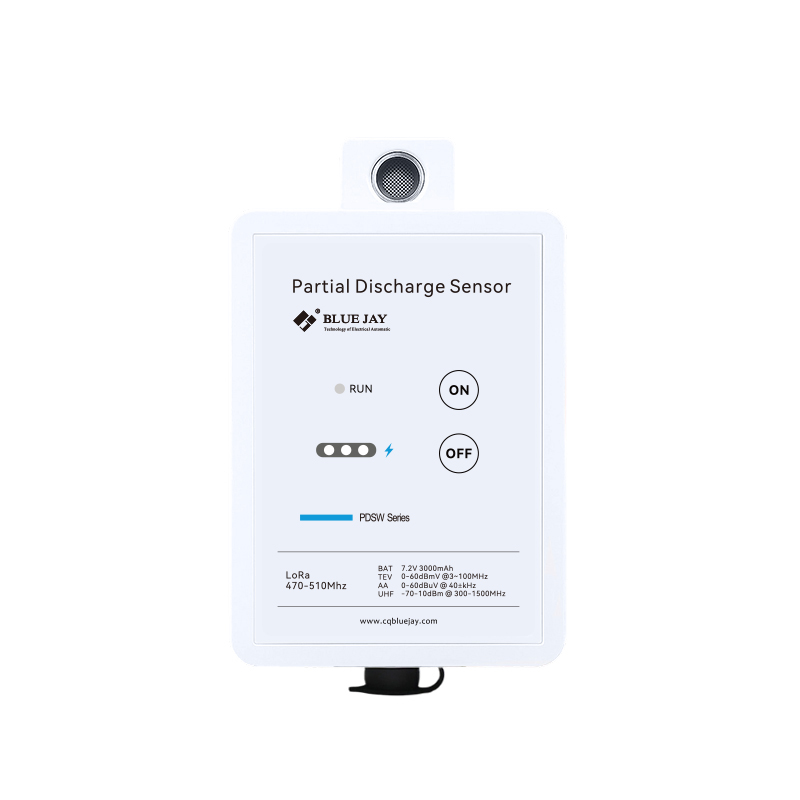
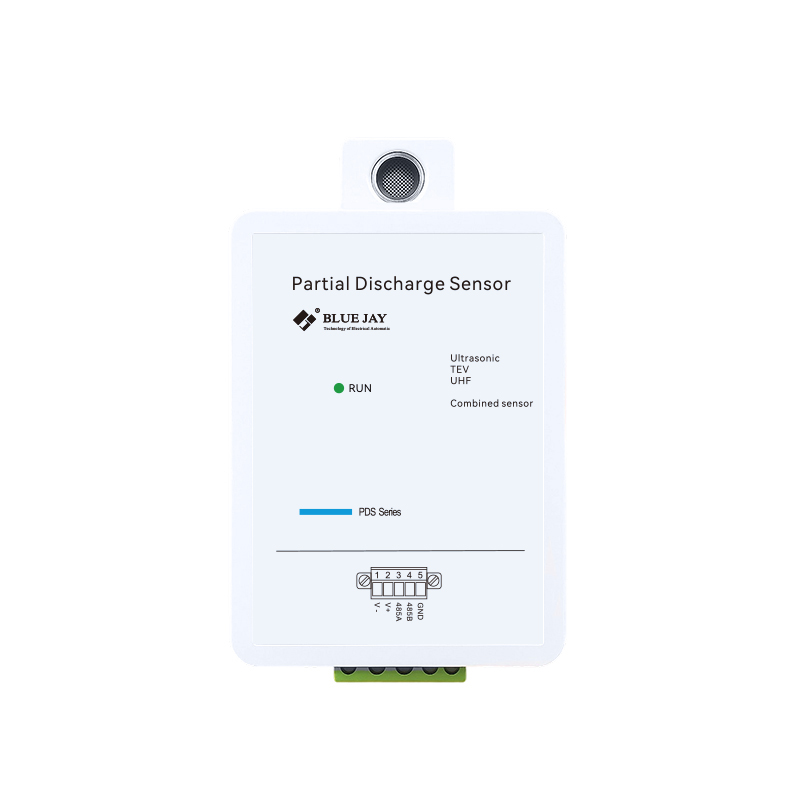
The core function of Partial Discharge Monitoring is the surveillance and early warning of equipment faults. It focuses on the equipment’s “sub-healthy” state—a condition where issues are incipient but not yet critical. Partial discharge activity serves as an early warning sign of deteriorating electrical insulation, much like high blood pressure, high blood sugar, or early-stage lesions in the human body. Utilizing highly sensitive sensors, a partial discharge monitoring system continuously collects and analyzes these faint discharge signals—24 hours a day, 7 days a week—to assess the health of the equipment’s internal insulation. Its primary objective is to detect potential faults, issue early warnings, facilitate scheduled maintenance, and ultimately prevent equipment failure from occurring.
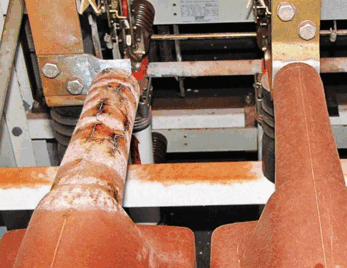
The core function of Arc Flash Protection is to safeguard both the equipment and personnel by rapidly isolating faults. It is designed to respond to sudden, severe equipment crises. An arc flash short circuit represents one of the most critical faults in a power system, instantaneously releasing immense amounts of light and heat—akin to an internal explosion. An arc flash protection system operates by detecting this sudden, extremely intense burst of light and triggering a response within milliseconds. Its primary objective is to rapidly cut off the power supply—before the incident results in catastrophic consequences (such as equipment destruction or human casualties)—thereby minimizing the resulting damage.

Working Principles - Stethoscope vs Emergency Button
Given their distinct protective roles, their underlying working principles differ significantly.
The core function of Partial Discharge (PD) monitoring is to perform a precise “auscultation” and long-term diagnosis of a device’s insulation status—much like a doctor using a stethoscope to capture subtle physiological signals within the human body. Utilizing specialized equipment such as Ultra-High Frequency (UHF) sensors and High-Frequency Current Transformers (HFCTs), the PD monitoring system captures nanosecond-scale, ultra-low-energy electromagnetic waves and pulse currents generated within the device. These signals are extremely faint—so subtle, in fact, that they are completely imperceptible to the naked eye or through routine inspections during the device’s normal operation. The PD monitoring system continuously collects these faint signals 24/7, performing real-time data analysis to precisely identify the type of partial discharge (e.g., internal discharge, surface discharge), pinpoint the location of the discharge source, and track discharge trends (such as how discharge intensity changes over time). Ultimately, it generates a comprehensive report assessing the device’s insulation health, providing critical data support for the early prediction of potential equipment hazards.
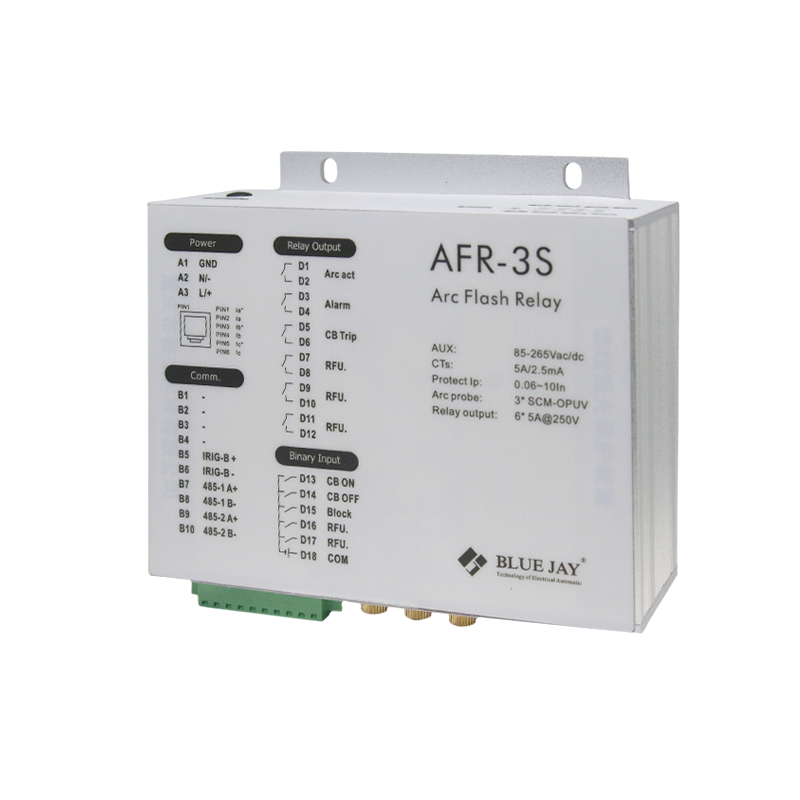
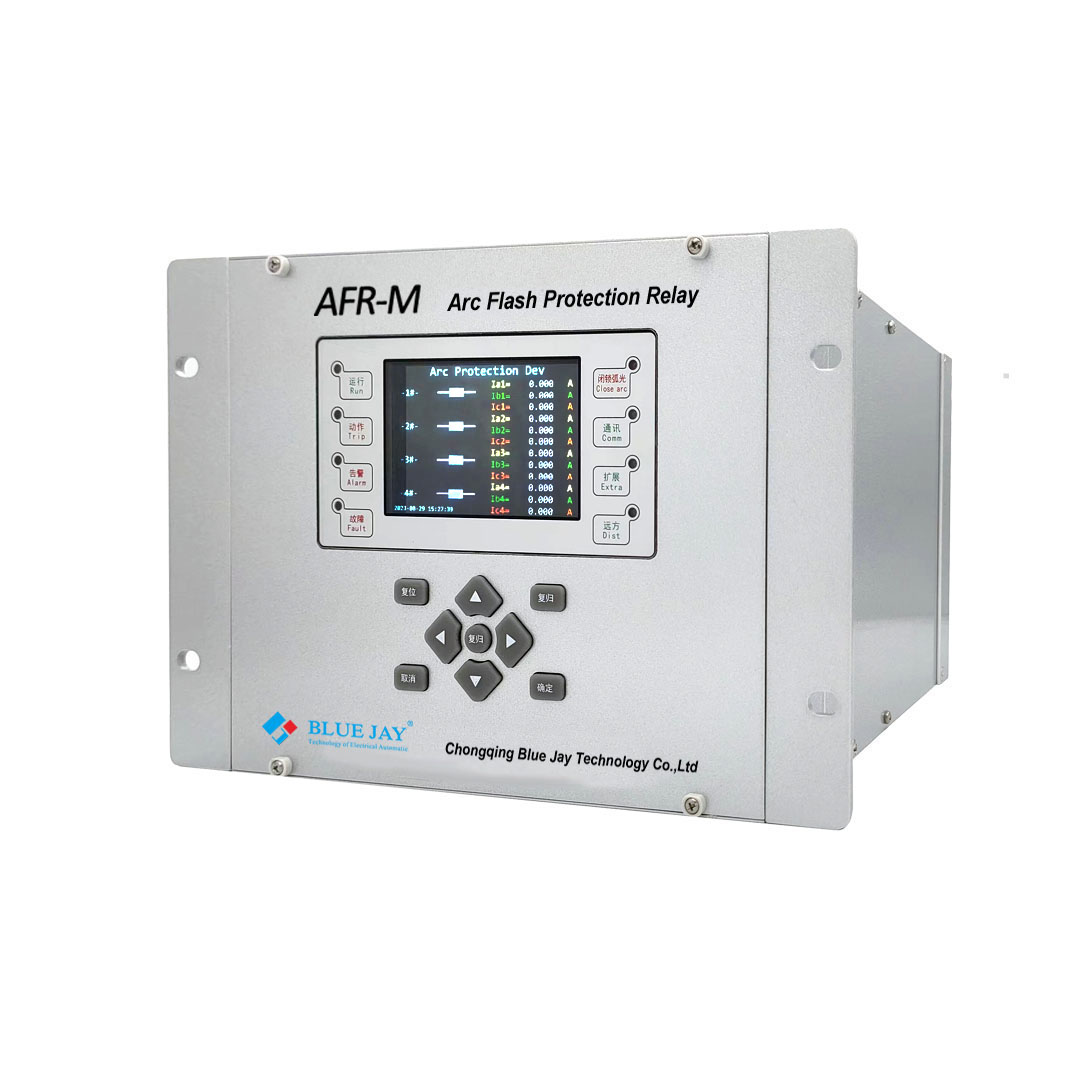
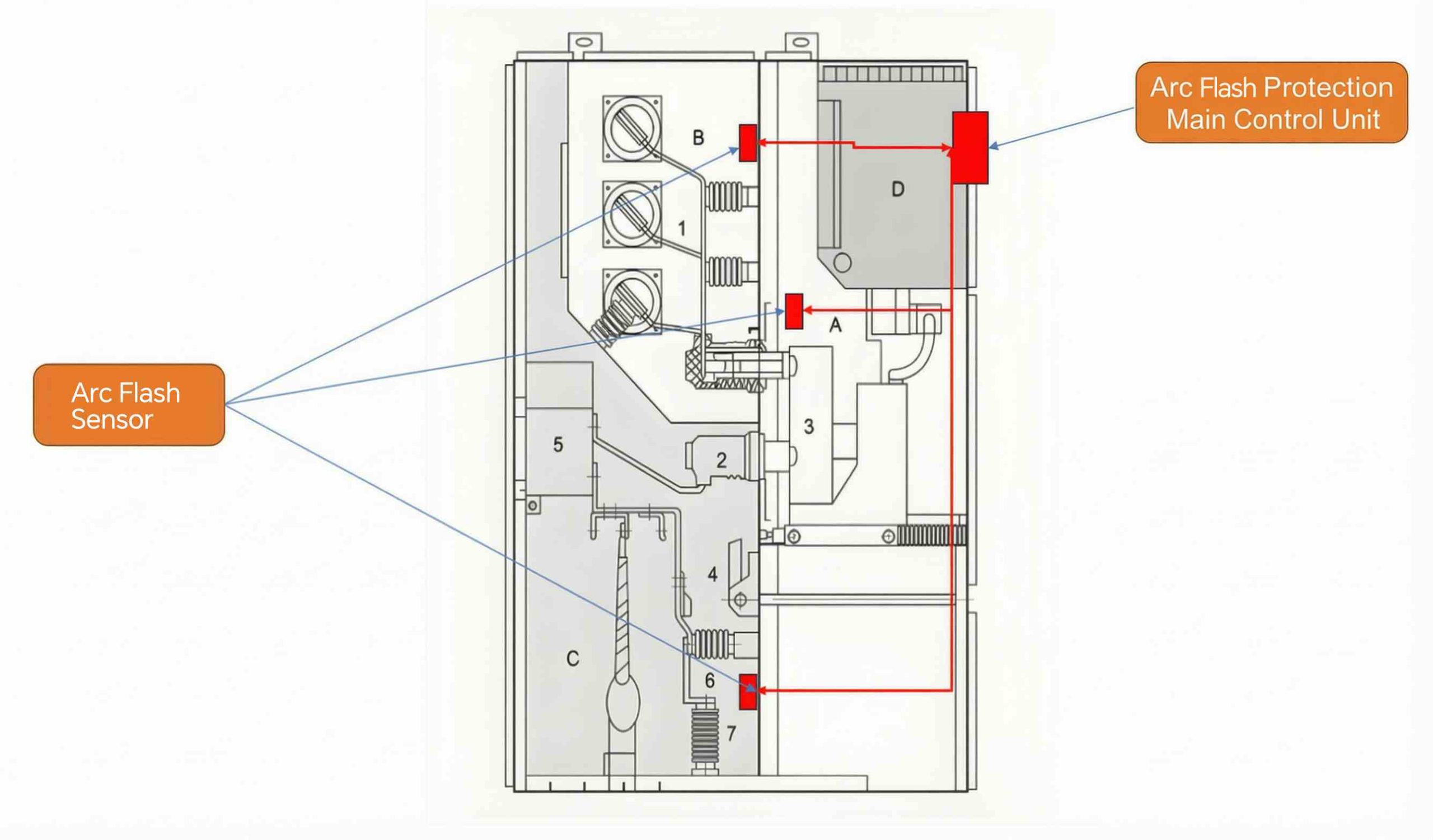
In contrast, the operational logic of Arc Flash Protection focuses on providing an ultra-fast response to sudden faults; it acts as the “emergency button” for power equipment, with the primary objective of rapidly detecting fault signals and immediately mitigating damage. Its core component is the arc flash sensor, which possesses extremely high sensitivity to the intense visible light generated by a fault arc. The moment it detects an arc flash with a brightness level far exceeding that of normal ambient lighting, it immediately triggers a feedback signal. To enhance protection reliability, arc flash protection systems are typically integrated with overcurrent protection (which collects signals via current transformers). This creates a “dual-criterion” protection mode—combining arc detection with current detection—to prevent false tripping. The entire response sequence—from the moment the arc sensor detects a fault signal to the system issuing a trip command—takes only a few milliseconds. This is significantly faster than traditional overcurrent protection systems, enabling the rapid disconnection of power before the fault can escalate into catastrophic consequences, such as equipment explosion or personnel injury, thereby minimizing losses to the greatest extent possible.
Applications - Daily Health Maintenance VS Emergency Operating Room
Partial Discharge monitoring is primarily focused on the long-term insulation condition management and maintenance of critical grid infrastructure. It is widely applicable for the online insulation monitoring of core primary equipment—such as Gas-Insulated Switchgear (GIS), high-voltage power cables, main power transformers, and medium-to-high-voltage switchgear. Additionally, it supports research and technical analysis scenarios, including insulation material performance testing and power fault root-cause analysis. Acting as a daily “health and wellness” management system for vital power assets, it remains continuously deployed online to track insulation aging trends. By leveraging this trend data, it enables the early prediction of latent defects, thereby providing a scientific basis for condition-based maintenance and off-peak maintenance scheduling.
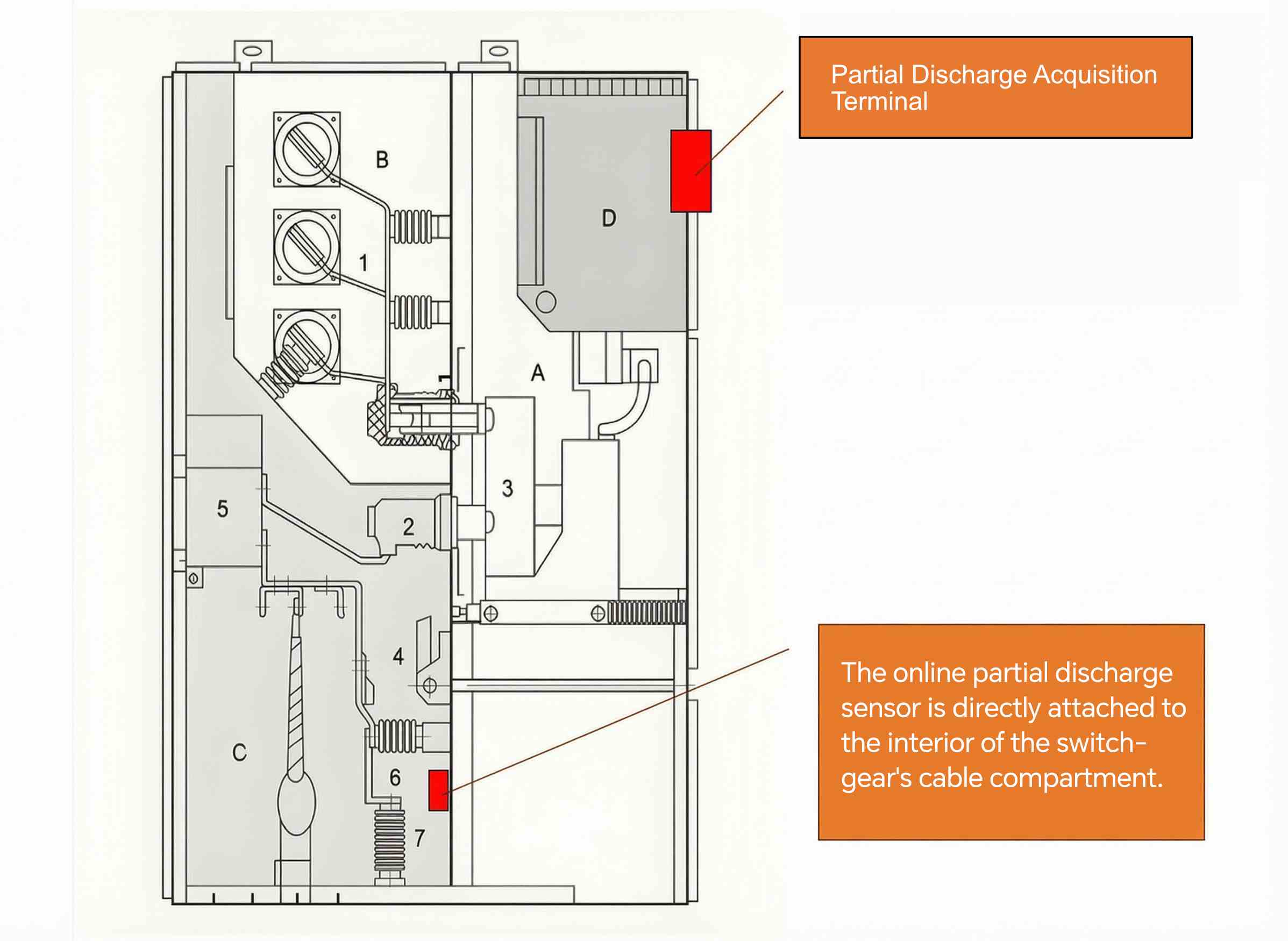
Arc flash protection, conversely, focuses on enclosed electrical environments characterized by a high incidence of arc faults and concentrated risks to both personnel and equipment. Its core application lies in medium-to-low-voltage complete switchgear assemblies, though it also extends to other enclosed electrical spaces prone to short-circuit arcing—such as distribution boxes, motor control centers, and enclosed ring main units. The complete arc flash protection system functions much like an emergency shut-off switch in a surgical operating room or a high-hazard laboratory; it remains in a standby state during normal operation, requiring no frequent activation. However, should an arc flash short-circuit fault suddenly erupt on-site, it triggers an immediate, millisecond-level trip to cut off power. This rapid response effectively contains the spread of the incident, thereby averting major safety risks such as equipment destruction, electric shock to personnel, and arc-related burns.
| Feature Dimensions | Partial Discharge (PD) Monitoring | Arc Flash Protection |
| Core Functionality | Condition Monitoring, Early Warning, Trend Analysis | Fault Protection, Rapid Clearing, Hazard Mitigation |
| Problem Solved | Insulation Degradation, Potential Faults | Sudden Arc Flash Short-Circuit Faults |
| Response Time | Slow (Minute- to Hour-Scale Analysis) | Extremely Fast (Millisecond-level Response) |
| Detected Signals | UHF Electromagnetic Waves, Pulse Currents (Weak) | Intense Visible Light, Abrupt Current Surges |
| Ultimate Objective | Fault Prevention | Prevents Faults from Escalating into Catastrophes |
Conclusion
Partial discharge (PD) monitoring and arc flash protection are not mutually exclusive; rather, they constitute a complementary combination within a comprehensive power safety framework. PD monitoring serves as the first line of defense, utilizing proactive warning mechanisms and condition-based maintenance to facilitate the early detection and resolution of faults—thereby eliminating potential hazards at the source and preventing incidents before they occur. Arc flash protection acts as the final safety net, designed to respond to sudden, severe faults by rapidly triggering circuit breakers to isolate risks and safeguard both equipment and personnel.
In modern intelligent substations and industrial power distribution systems, the simultaneous deployment of both PD monitoring and arc flash protection systems enables both proactive prediction and prevention, as well as decisive response to sudden faults—thereby establishing a robust, all-encompassing safety barrier for power systems.