Voltage threshold for Capacitive Voltage Indicator
According to the voltage thresholds for voltage indication in
According to the voltage thresholds for voltage indication in IEC 62271-213:2021, all voltage presence indicators must activate and signal voltage presence when the applied voltage is within the range 10% × Un ≤ U ≤ 45% × Un. To meet this standard and address diverse end-user application needs, capacitive voltage indicator manufacturers design indicators with tailored voltage threshold settings and distinct indication statuses. In this guide, we break down how capacitive voltage detection systems (VDS) indicate voltage presence, based on their defined voltage thresholds.
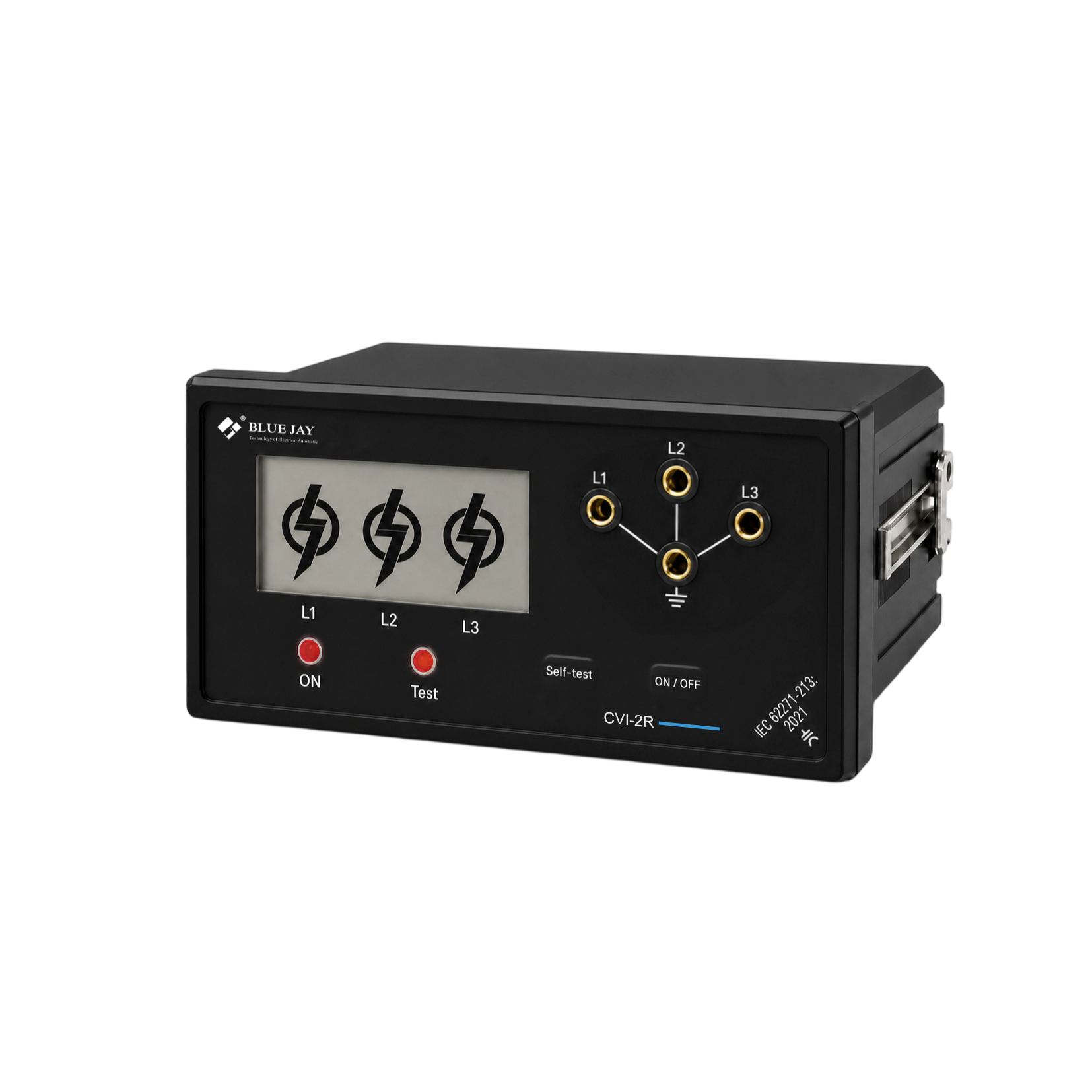
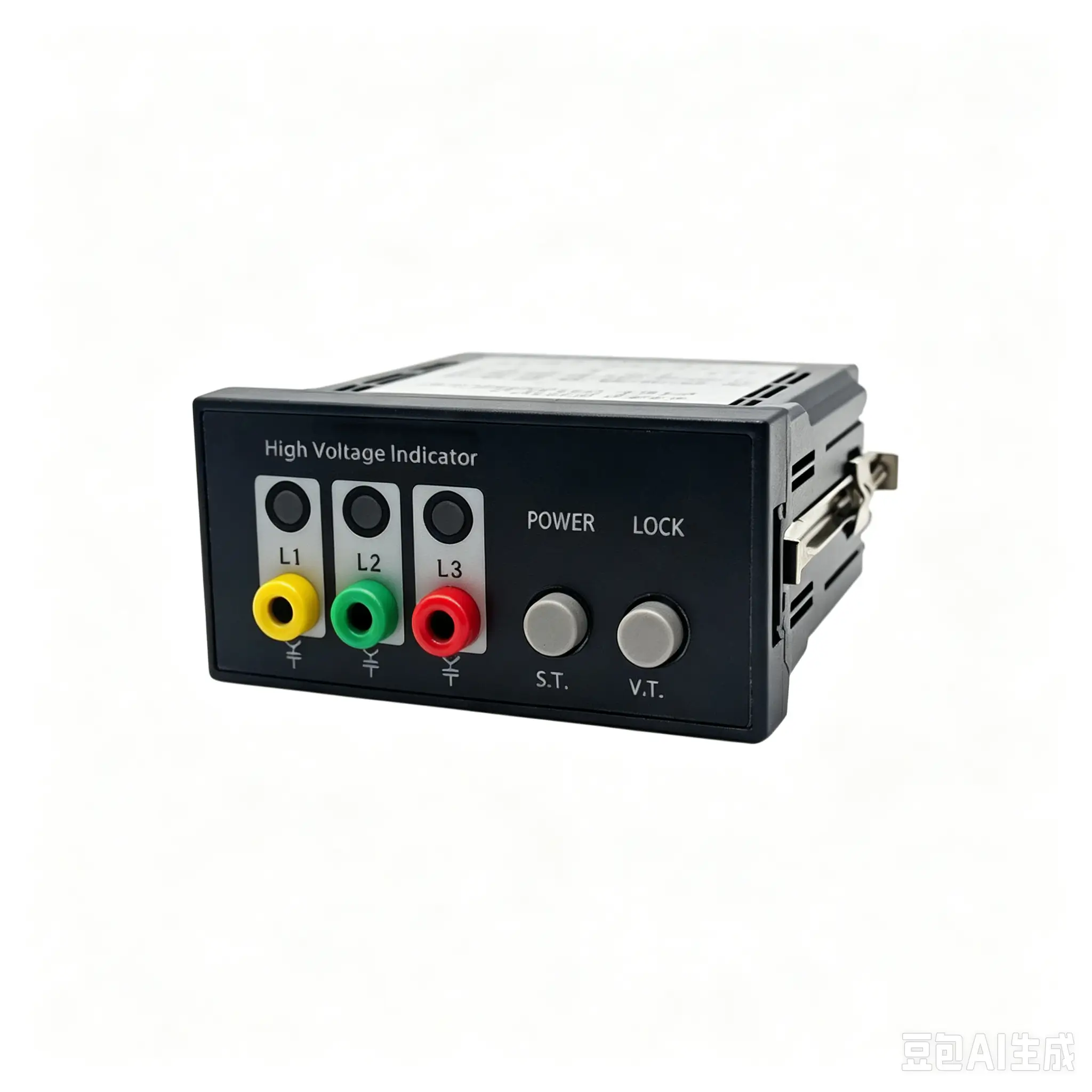
According to display types, there are voltage indicators with a 3-phase LED indicator and voltage indicators with a 3-phase LCD screen. Although both meet the Thresholds for voltage indication, there are some differences.
| Types of voltage indicator | Threshold status of phase voltage Un | Indication Status | Picture of indicator status |
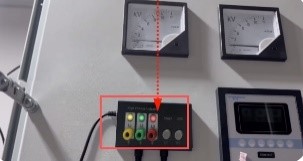
| Voltage indicators with a 3-phase LED indicator | U<10%Un | No LED indication because of the voltage not Present | ![]() |
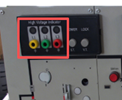
| U > 45%Un At least one phase | LEDs flashing indicate voltage present | ![]() | |
| Voltage indicators with a 3-phase LCD screen | U<10%Un | No indication (ie. No voltage) | ![]() |
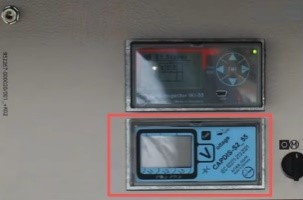
| 10%Un<U<%45Un | Llight black arrow (ie. Voltage Present) | ![]() | |
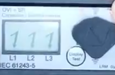
| U>45%Un | Full Arrow (ie. Nominal Voltage Presen) | ![]() | |
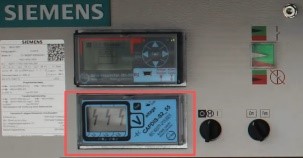
| U>120%Un (some products) | Full Arrow with circle( ie.overvoltage) | ![]() |
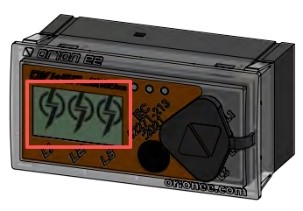
Although the IEC 62271-213:2021 standard has standardized the threshold requirements for High-Voltage (>1 kV) Voltage Detecting Indicating Systems (VDIS), the reference bases and ranges for these thresholds differ entirely depending on the specific system type (three-phase vs. single-phase; grounded vs. ungrounded):
The standard explicitly mandates that all VDIS units must activate their “”live”” indication within the range of 10% Un to 45% Un; however, the definition of Un varies according to the system type:
Three-phase ungrounded systems: Un = Line voltage
Three-phase grounded systems: Un = Phase voltage (Un_line / √3)
Single-phase systems: Un = System nominal voltage
| System types | voltage Presence Threshold | No voltage Presence Threshold | Note |
| Three Phase Ungrounded neutral (IT) system | 10% × Un ≤ U ≤ 45% × Un (where Un is the system nominal line voltage) | U < 10% × Un | In ungrounded systems, the line-to-ground voltage rises during a single-phase ground fault; therefore, using the line voltage Un as a reference, the threshold covers the 40% to 45% range. |
| Thress phase Grounded neutral (TN) system | 10% × (Un/√3) ≤ U ≤ 45% × (Un/√3) (where Un is the system nominal line voltage, and Un/√3 is the phase voltage) | U < 10% × (Un/√3) | During normal operation of the grounding system, the line-to-ground voltage equals the phase voltage; therefore, using the phase voltage Un/√3 as the reference, the threshold range scales proportionally. |
| Single-phase ungrounded /grounded system | Individually defined thresholds (as specified in the legacy IEC 61958/GB 25081 standards: 69% Un to Un for single-point grounding, and 35% Un to 50% Un for neutral-point grounding). | Single-phase-to-ground fault < 26% Un; neutral-point-to-ground fault < 13% Un. | Single-phase systems do not involve the phase-to-line voltage conversion relationships found in three-phase systems; instead, they directly utilize the system’s nominal voltage Un as the reference base, and their thresholds are entirely independent of three-phase systems. |
In summary, voltage indication in VDS is governed by IEC 62271-213:2021, which standardizes activation thresholds while allowing flexibility in indication methods and system-specific references. Differences in display type (LED vs. LCD) and system configuration (single-phase vs. three-phase, grounded vs. ungrounded) lead to variations in how voltage presence is interpreted and presented.

According to the voltage thresholds for voltage indication in

Understanding voltage classification is essential for the proper application