Transformer Monitoring – A Complete Guide
Transformer monitoring is an all-in-one maintenance solution that uses specialized sensors, data collectors, and management platforms to track equipment performance around the clock. It delivers multi-dimensional data analysis and early fault alerts, overcoming the drawbacks of conventional manual inspections.
The online transformer monitoring system captures real-time readings for temperature, electrical performance, oil condition, and mechanical operation, detects hidden issues early, and helps teams shift to predictive maintenance. This article introduces the main categories of power transformer monitoring and the transformer monitoring solutions available from Blue Jay.
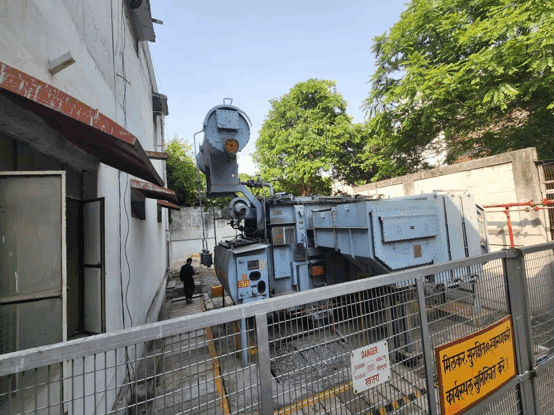
Full-Range Transformer Monitoring Categories
In terms of monitoring scope, comprehensive transformer monitoring covers six core categories: Thermal and Hotspot Monitoring, Partial Discharge (PD) Monitoring, Oil Chemistry Monitoring, Mechanical Condition Monitoring, Bushing Condition Monitoring, and Cooling System Monitoring. This comprehensive approach covers a wide spectrum of common risks, including thermal faults, insulation degradation, oil deterioration, and mechanical looseness.
- Thermal and Hotspot Monitoring
Temperature anomalies represent the most frequent, most visually evident, and most critical source of transformer failure. The vast majority of transformer faults are accompanied by overheating phenomena—including loose busbar connections, excessive contact resistance, overloading, poor heat dissipation, and winding aging.
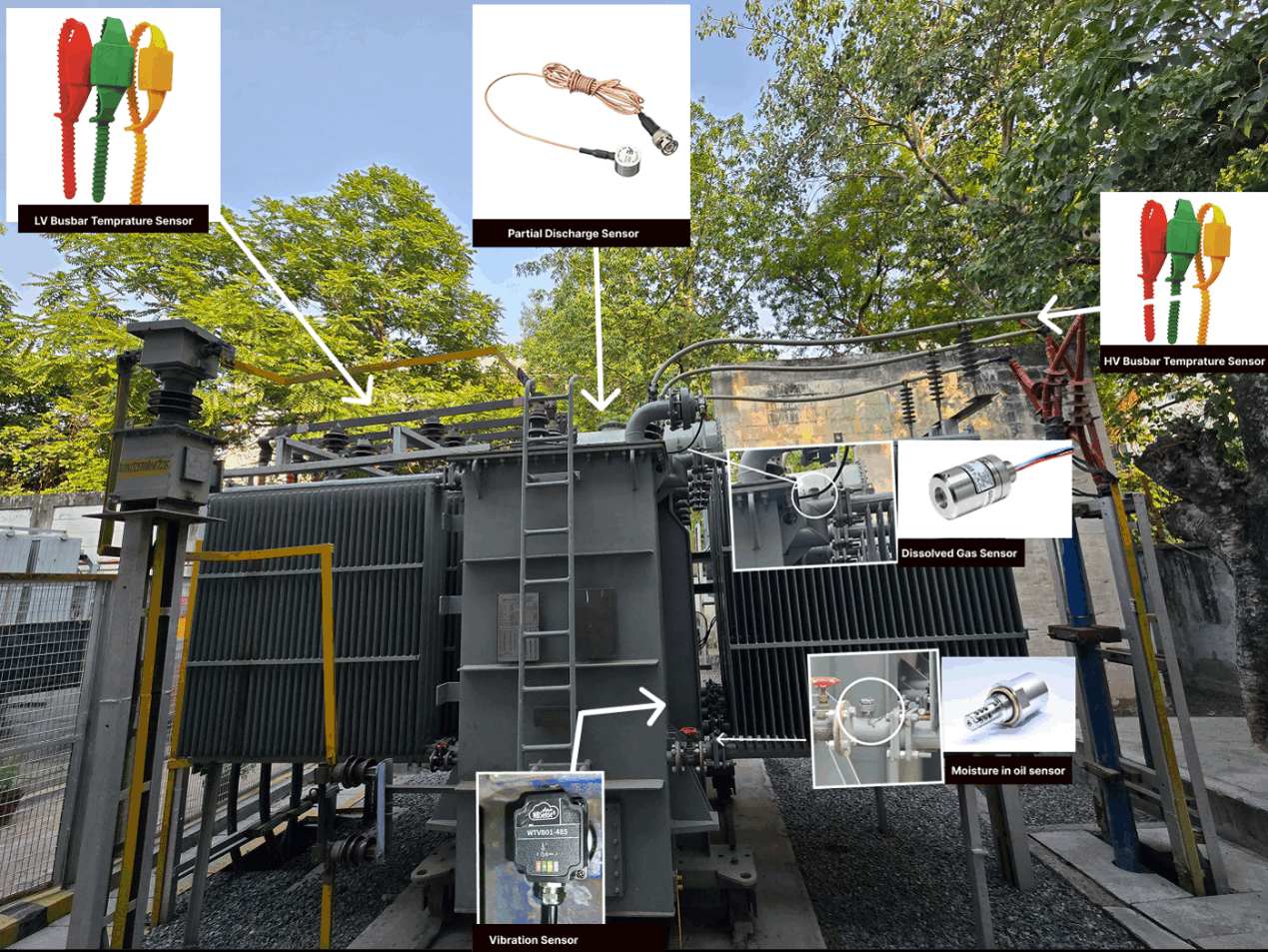
Transformer temperature monitoring is typically implemented through the installation of temperature sensors (e.g., LV or HV busbar temperature sensors). The primary parameters monitored include: high- and low- voltage busbar temperatures, bushing temperatures, winding hotspot temperatures, oil temperatures, and temperature rise trends. By continuously measuring temperatures, potential thermal hazards can be identified in advance, thereby preventing accelerated insulation aging, thermal runaway, and catastrophic equipment failure.
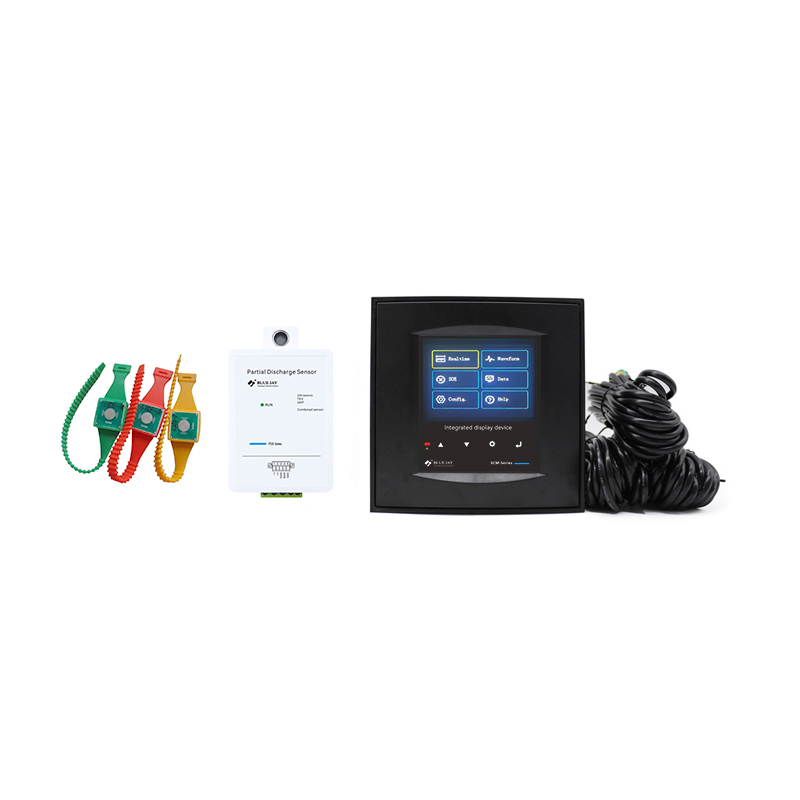
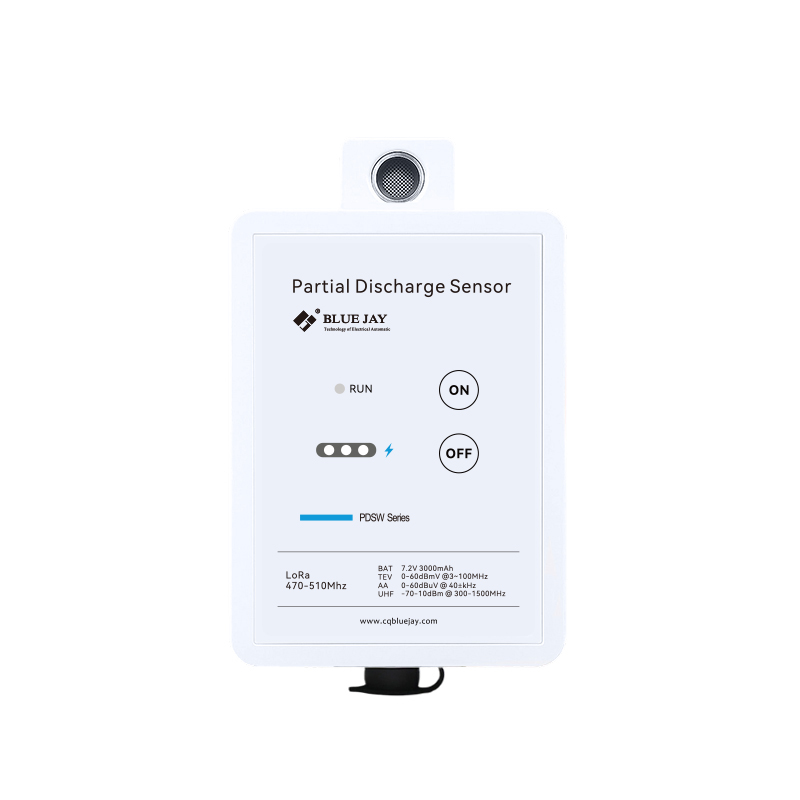
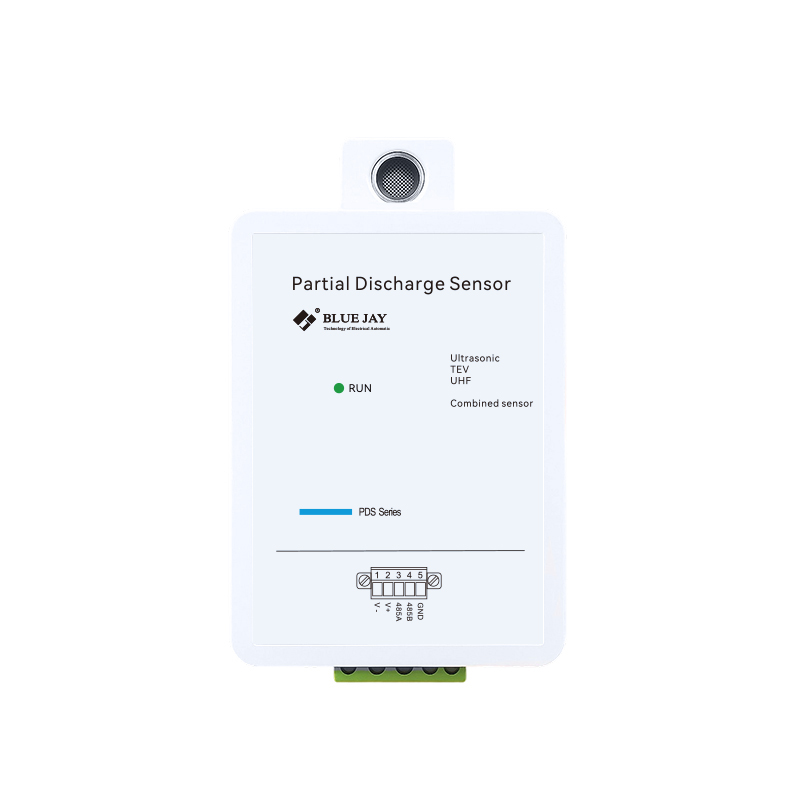
Partial discharge serves as the single most critical indicator of early-stage insulation degradation within a transformer. Internal insulation defects—such as voids (bubbles), cracks, moisture ingress, and aging—all generate partial discharge activity. Transformer PD monitoring typically employs PD sensors to continuously monitor partial discharge activity occurring within the transformer unit.
- Oil Chemistry Monitoring (DGA + Moisture-in-Oil Monitoring)
Transformer oil acts as the essential medium for both electrical insulation and heat dissipation. Dissolved Gas Analysis (DGA)—often performed using Dissolved Gas Sensors—enables the detection of internal overheating, arcing, electrical discharges, and latent faults. Furthermore, monitoring moisture levels within the oil—typically performed using Moisture-in-Oil Sensors—provides a definitive assessment of the degree of insulation moisture ingress, serving as the most authoritative method for identifying latent internal faults within the transformer.
- Mechanical Condition Monitoring (Vibration & OLTC)
This category primarily encompasses vibration monitoring of the transformer main body and condition monitoring of the On-Load Tap Changer (OLTC). It is utilized to identify mechanical and dynamic anomalies such as core looseness, winding deformation, structural fatigue, OLTC wear, and poor electrical contacts. Vibration sensors are commonly employed to monitor the mechanical vibrations of the transformer main body. In addition to the four monitoring scopes mentioned above, some users also conduct monitoring of the transformer’s bushings and cooling system.
Blue Jay Transformer Monitoring Solution
Leveraging a mature, industry-standard framework for comprehensive transformer monitoring, Blue Jay focuses on critical O&M requirements and high-frequency fault scenarios, specializing in online monitoring solutions that are both easy to deploy and highly cost-effective.
According to relevant statistical data, over 30% of transformer failures are triggered by temperature anomalies. These issues represent the highest-risk elements within power system O&M and present the greatest challenges in terms of control and management. Consequently, we have established online transformer temperature monitoring as our core business. Our products provide comprehensive coverage of key temperature measurement points—including high- and low- voltage busbars, critical equipment joints, and bushing hotspots.
Key Advantages of the Solution:
Live-Line Installation (No Power Outage Required): The installation process requires no modification to the primary circuit, ensuring zero disruption to normal power supply and operational production.
All-Weather, Real-Time Monitoring: Provides 24-hour continuous temperature data acquisition, serving as a complete replacement for traditional manual infrared inspection methods.
Precise Prediction of Thermal Hazards: Rapidly identifies heat-related issues such as loose connections, excessive contact resistance, and equipment overload.
Intelligent Early Warning & Data Analysis: Supports temperature threshold alarms and operational trend analysis, with data capable of being remotely pushed to a centralized management platform.
Robust Environmental Adaptability: Features superior resistance to electromagnetic interference, making it perfectly suited for a wide range of high-voltage application scenarios—including substations, industrial and mining facilities, and rail transit systems.
To ensure the stability and practical implement ability of our projects, we have clearly defined the positioning of our transformer comprehensive monitoring modules to facilitate user selection and solution planning:
- Existing, Mature Deliverable Products: Transformer Temperature Monitoring—primarily utilized for monitoring the temperatures of transformer high/low- voltage busbars, critical hotspots, and bushings.
- Currently Not In-House Developed (but Feasible for Future R&D): Partial Discharge Monitoring—while not currently an in-house developed product for transformers, we do offer PD monitoring solutions for other equipment categories, such as switchgear.
- Future Product Planning Direction: To realize a fully integrated, multi-dimensional monitoring system encompassing temperature, insulation integrity, and overall operational status.
Conclusion
Effective transformer health management requires the integration of data from multiple parameters—including temperature, insulation, oil quality, and mechanical condition—yet it does not necessitate the simultaneous procurement of all monitoring equipment. We recommend prioritizing the deployment of essential temperature monitoring capabilities first, and subsequently expanding to incorporate other modules as specific needs arise.
Leveraging our mature temperature monitoring solution as a core foundation, we construct cost-effective and scalable monitoring systems designed to empower operations and maintenance personnel. By enabling the proactive identification of potential hazards and facilitating scientifically guided maintenance, our systems ensure the stable and reliable operation of critical equipment.