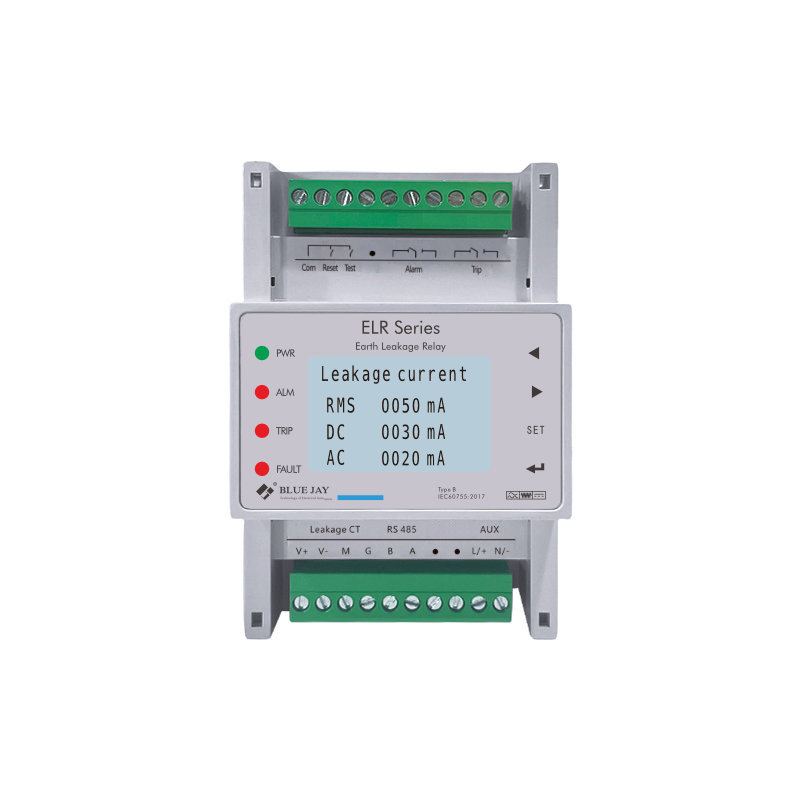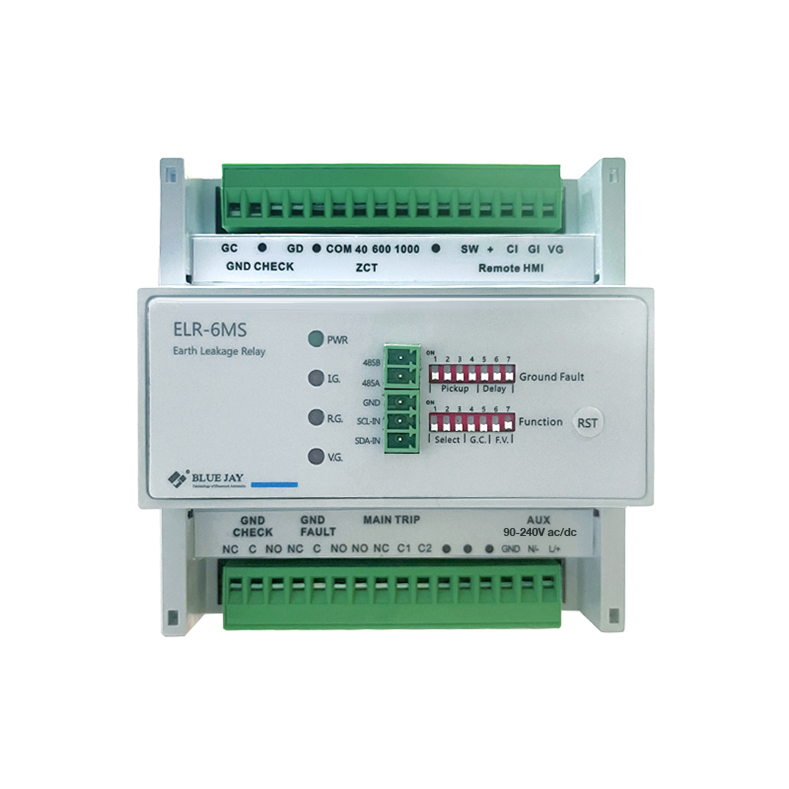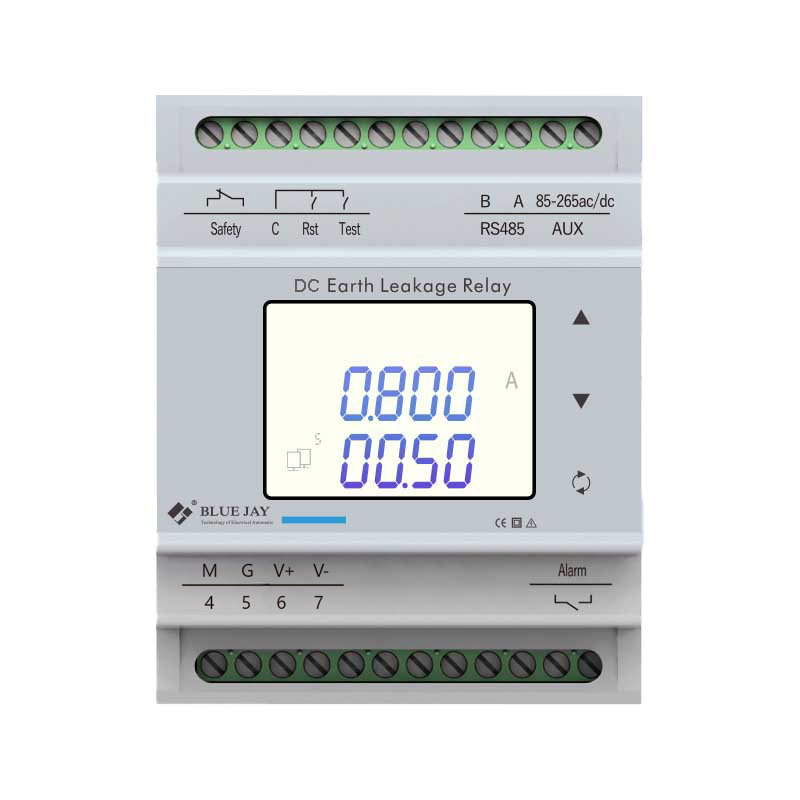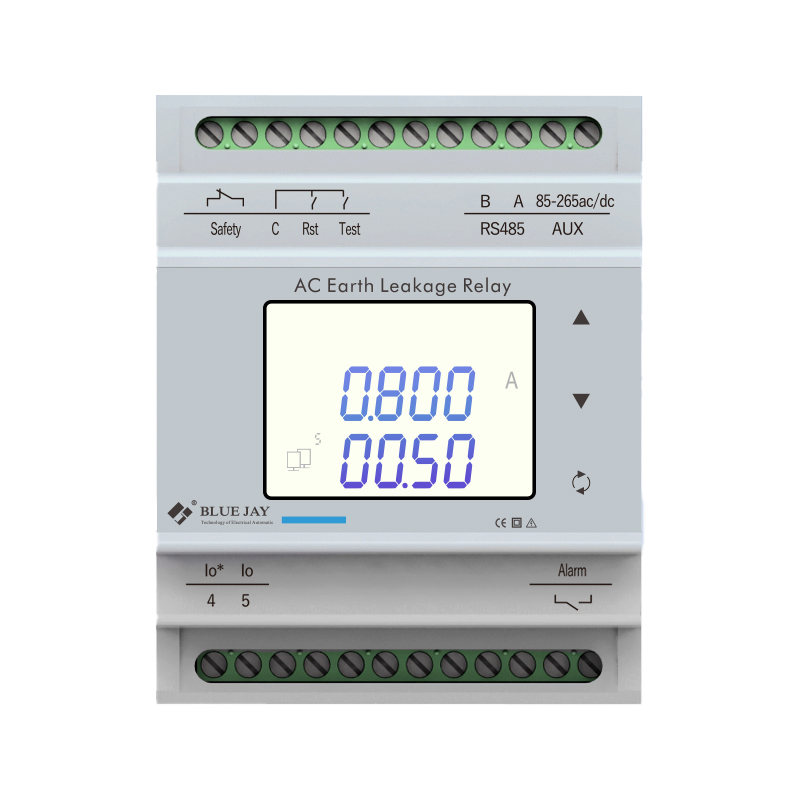
Earth leakage CT Vs Zero Sequence CT – What’s difference
While both leakage current transformers (CTs) and zero-sequence current
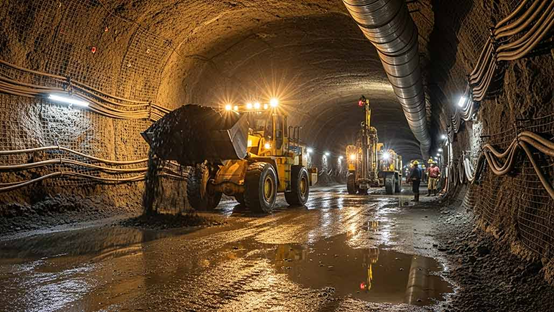
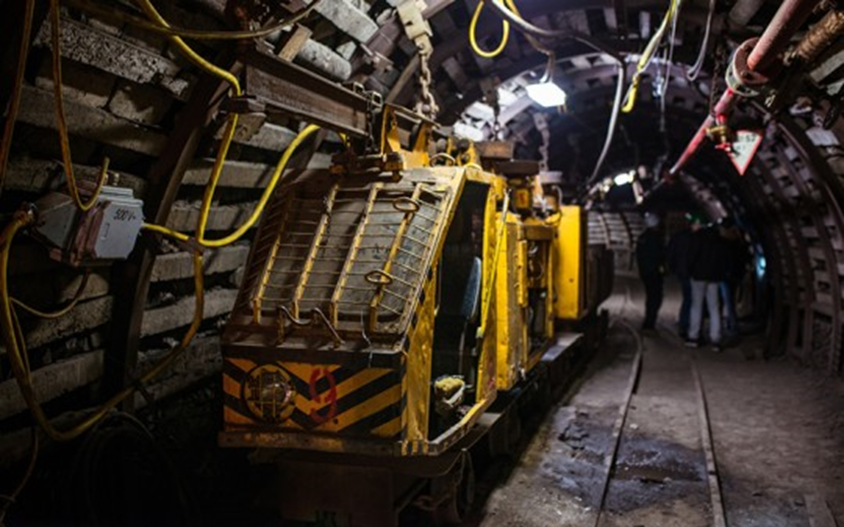
The mining industry operates in humid, dusty environments with easily worn cables and densely packed frequency converters and long cables, making it highly susceptible to leakage current and insulation faults. This can lead to electric shock, equipment burnout, electrical fires, and even gas and coal dust explosions. Furthermore, false tripping, cascading tripping, and difficulty in locating faults can cause frequent production shutdowns. Unexplained shutdowns of critical equipment such as underground ventilation, drainage, and hoists can trigger major safety risks such as mine flooding, gas accumulation, and personnel entrapment.
Simultaneously, mine electrical systems experience large stray currents, complex grounding, and conventional protection systems are prone to false tripping or failure to trip, while traditional manual inspections cannot provide real-time warnings. Therefore, leakage current protection is a mandatory core safety measure in mines. It prevents personal injury and equipment accidents at the source and addresses the industry’s pain points of preventing false tripping, providing accurate protection, and quickly diagnosing faults, meeting the dual requirements of safety regulations and continuous production.
The core principle of earth leakage relay in the mining industry is to monitor the power supply circuit for current leakage or insulation degradation in real time through three technologies: residual current monitoring, insulation resistance monitoring, and zero-sequence/core balance detection. When the leakage current exceeds the standard or the insulation deteriorates to a dangerous level, the mining earth leakage relay issues an alarm or trips according to the graded protection logic, achieving early warning, no false tripping, and tripping only the fault point, ensuring both personal and equipment safety without affecting continuous production.
Whether it’s open-pit or underground mining, RCD is required, primarily to protect the following equipment:
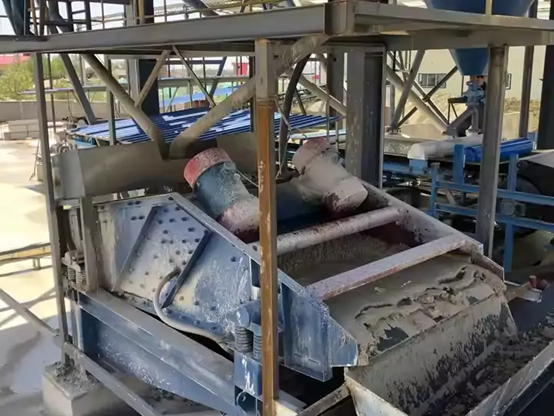
Excavators, drilling rigs, crushers, vibrating screens
Belt conveyors, stacker-reclaimers
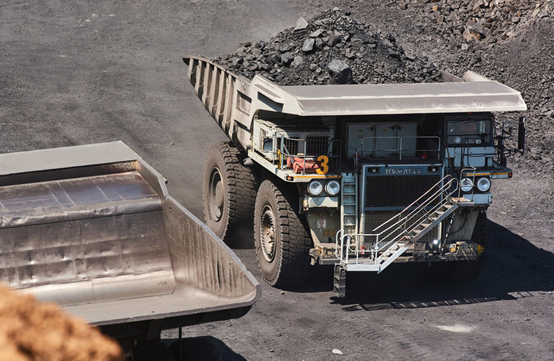
Heavy-duty electric trucks, onboard electrical systems
Fixed/mobile/portable substations
Hoists, ventilators, drainage pumps
Underground mobile equipment, cable systems.
Open-pit mines primarily use TN/TT grounding systems, with numerous frequency converters and long cables. The core challenges are false tripping, harmonic interference, and accumulated leakage current. Therefore, leakage current protection mainly uses residual current relays with tiered tripping, emphasizing resistance to VFD interference, prevention of false tripping, and ensuring continuous production. Underground mines mostly use IT ungrounded/high-resistance grounding systems, posing risks of gas and coal dust explosions. Ventilation, drainage, and hoisting equipment are life-saving devices, and arbitrary tripping is strictly prohibited. Therefore, leakage current protection prioritizes insulation monitoring and alarm functions. Equipment must be explosion-proof, focusing on early warning, minimizing tripping, and ensuring safety.
| Equipment Categories | Open-pit mine configuration solutions | Underground Mine Configuration solutions |
| Excavators, Drilling Rigs | Type B residual current relay + CBCT + anti-harmonic filter, threshold 100–300mA, delay 100–200ms | Explosion-proof insulation monitoring + leakage relay, alarm priority, graded selective protection |
| Land Conveyors / Stackers / Recyclers | Long cable compatible residual current relay, graded protection, prevents false tripping due to capacitor leakage current | Explosion-proof Type B relay + zone protection, grounding continuity monitoring |
| Heavy-Duty Electric Trucks / Onboard Systems | On-board insulation monitoring + residual current protection, compatible with mobile power supply | Explosion-proof insulation monitoring + cable grounding monitoring, preventing cable abrasion and leakage |
| Crushers, Vibrating Screens | High-power dedicated relay, delay 200–300ms, prevents false tripping due to starting impact | |
| Stationary Substations / Portable Substations | Main circuit RCMS + branch residual current relays, hierarchical coordination between upper and lower levels | Explosion-proof leakage protection + insulation monitoring, alarm + delayed tripping |
| Headframes, Hoists | Variable frequency compatible residual current relay + insulation monitoring | Explosion-proof insulation monitoring + NGR grounding resistance monitoring, forced selective leakage protection |
| Ventilation Equipment | Residual current relay + overcurrent leakage protection | Explosion-proof insulation monitoring as the primary method, alarm only, no blind tripping, ensuring personnel safety |
| Drainage Pumps / Submersible Pumps | Waterproof residual current relay | 24-hour online insulation monitoring, alarm priority, strictly prohibiting arbitrary tripping |
| Underground Conveyors | — | Explosion-proof insulation monitoring + alarm, preventing flooding, preventing blind tripping of critical equipment |
| Mobile Equipment / Mobile Substations | Portable residual current protection, quick plug-and-play adapter | Explosion-proof leakage relay + zone protection, resistant to moisture and interference |
Traditional mining electrical safety relies primarily on manual inspections, grounding protection, and post-incident maintenance. It depends on experience-based judgment and cannot monitor insulation and leakage current in real time. This leads to problems such as delayed detection, difficulty in fault location, frequent false trips or malfunctions, and unexplained shutdowns of critical equipment. It is a reactive, post-incident remedy.
Leakage current protection, through 24-hour online monitoring, insulation warnings, and tiered selective protection, can detect potential hazards early, operate precisely, and trip only faulty circuits. It effectively addresses core industry pain points such as electric shock, fire, false trips, cascading trips, and slow troubleshooting. It truly achieves proactive prevention, reliable safety, and ensures continuous production. It is a mandatory and systematic protective measure that meets mine safety regulations.

While both leakage current transformers (CTs) and zero-sequence current

Earth leakage protection is a highly sensitive protection measure

The wiring method of the leakage relay varies depending