Compliance Guidelines for DC Shunt Metering Solutions
What is a DC shunt metering solution? A DC
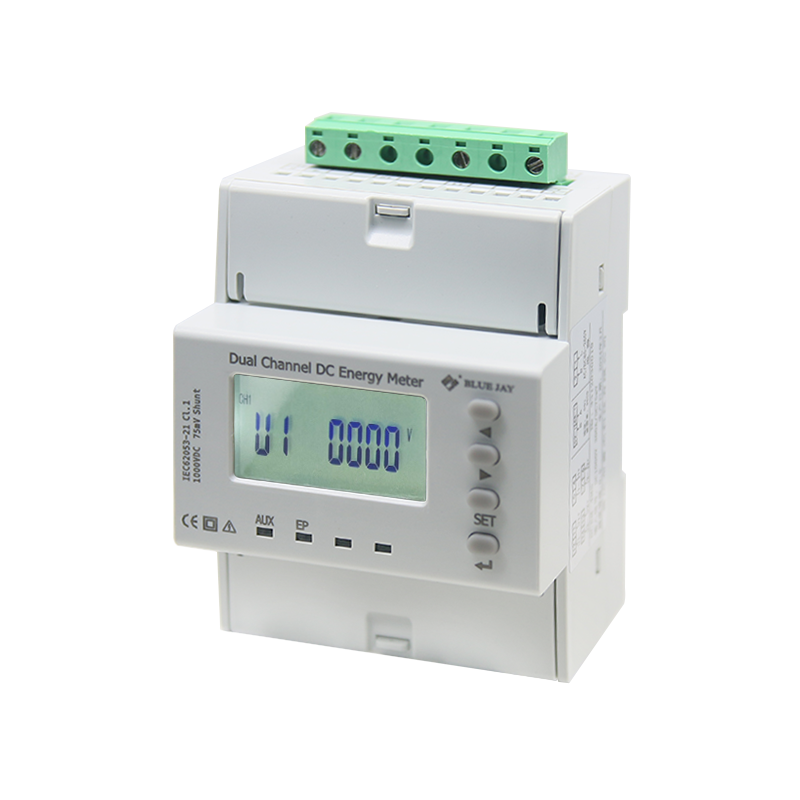
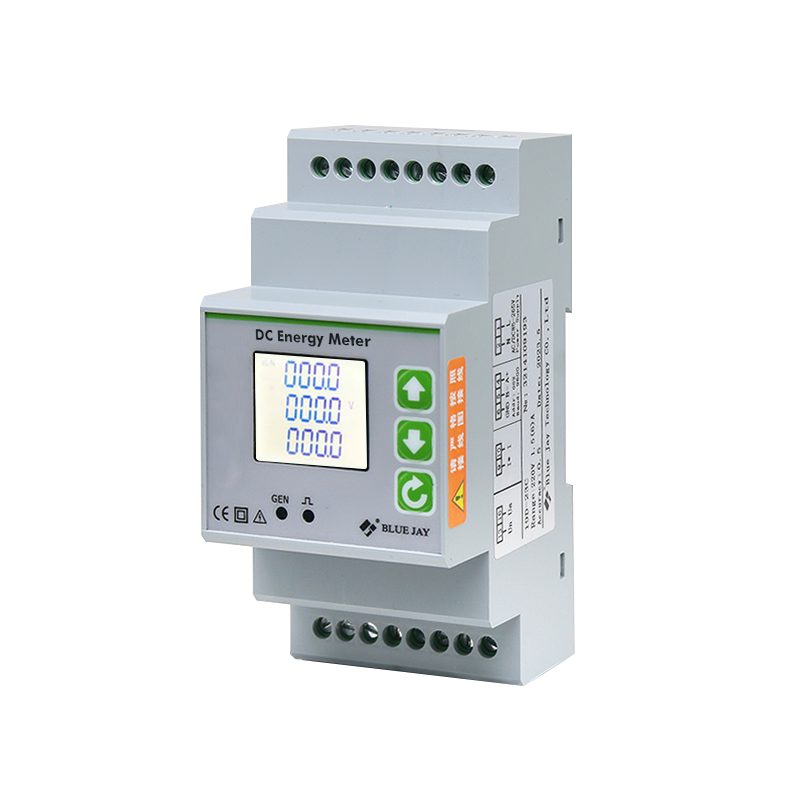
In multi-channel DC measurement systems, dual-channel DC meters are generally classified into:
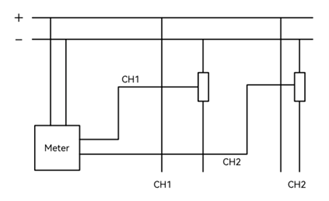
-. Non-Isolated Dual-Channel DC Meter
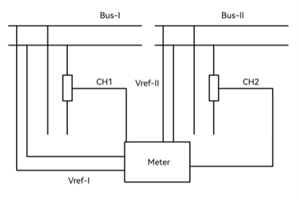
-. Isolated Dual-Channel DC Meter
The two architectures differ significantly in hardware structure, anti-interference capability, safety, and application scenarios. In practical applications, the selection should be comprehensively evaluated based on system grounding method, common-mode voltage level, and on-site electromagnetic environment.
Working Principle:
-. All channels share the same positive and negative power supply
-. All measurement channels share the same reference ground (GND)
-. No electrical isolation between Channel-I and Channel-II
-. Channels are logically independent only
Advantages:
-. Simple circuit architecture
-. Low BOM cost
-. Small PCB footprint
-. Good channel synchronization
-. Lower power consumption
Typical Applications:
-. Low-voltage DC systems
-. Common-ground battery systems
-. Telecom power monitoring
-. Small-scale energy storage equipment
-. Series-connected battery string monitoring
-. DC distribution systems with common busbar
Working Principle:
-. Each channel has an independent reference ground
-. Electrical isolation between Channel-I and Channel-II
-. No direct electrical connection between bus-I and bus-II
-. Typically implemented using isolated ADCs / isolation amplifiers / digital isolators / isolated DC/DC power supplies
Advantages:
-. Complete electrical isolation between channels
-. Strong common-mode interference immunity
-. Capable of withstanding high common-mode voltage
-. Higher safety level
-. Reduced risk of ground loop formation
-. Suitable for complex industrial environments
Typical Applications:
-. Energy storage battery packs (Battery Pack)
-. EV charging systems
-. PV energy storage systems
-. High-voltage DC systems
-. Industrial floating-ground systems
-. Multi-loop monitoring in BMS systems
-. High-voltage floating measurement applications
The two architectures differ significantly in hardware structure, anti-interference capability, safety, and application scenarios. In practical applications, the selection should be comprehensively evaluated based on system grounding method, common-mode voltage level, and on-site electromagnetic environment.

What is a DC shunt metering solution? A DC

DC energy meter for solar panels is used to

The DC energy meter for EV charger is a