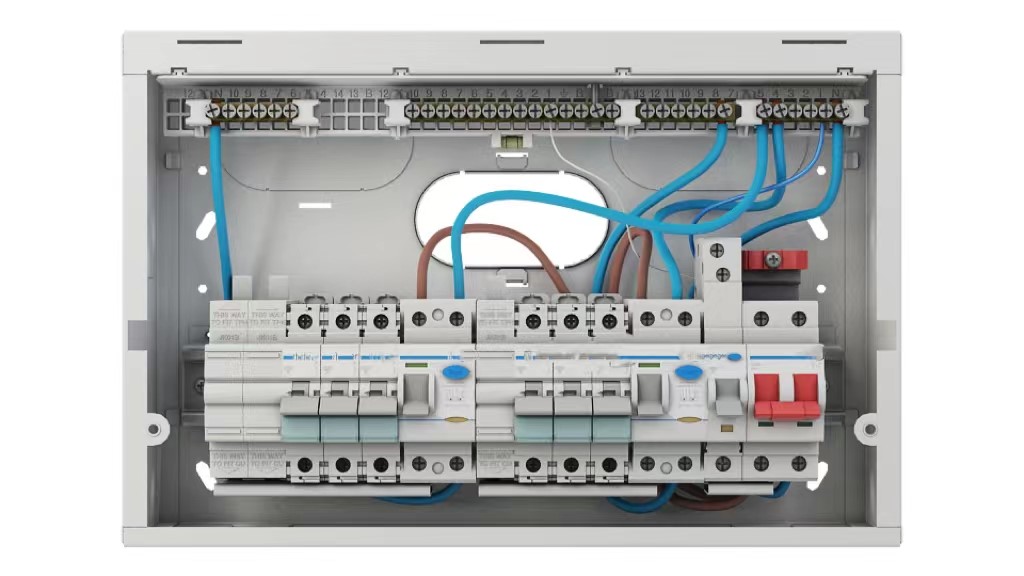
What Is Residual Current – Residual Current & Monitoring Principle
What Is Residual Current?
Residual current refers to the current vector sum of each phase (including the neutral wire) in low-voltage distribution circuits, where the currents are not equal. In simpler terms, when an electrical fault occurs on the load side, and current flows from the live conductors through a person to the ground, causing a difference between the currents I phase and I neutral in the main circuit’s incoming and outgoing lines, the instantaneous vector sum of this current is referred to as the residual current.
What Are The Causes Of Residual Current?
There are several reasons for the generation of residual current, including:
- Aging or damage to insulation layers on conductors.
- Improper installation practices, such as not using fire-resistant conduits and directly burying wires within walls.
- Poor construction quality, including substandard workmanship and damage to insulation during wire threading through steel pipes.
- Inadequate electrical design, such as users adding excessive loads, leads to overheating of conductors and insulation degradation.
- Environmental factors affecting the wiring, like tree contact, strong winds breaking wires, or high humidity cause insulation deterioration.
- Various forms of deliberate damage, such as wire breakage.
What are the main hazards of residual current?
The magnitude of the residual current indicates the severity of leakage. When current flows through a circuit, it generates heat. If the residual current is too high, the temperature of the circuit will continue to rise, potentially leading to overheating, wire damage, and electrical fires, posing a significant risk to life and property.
What Is A Residual Current Monitor?
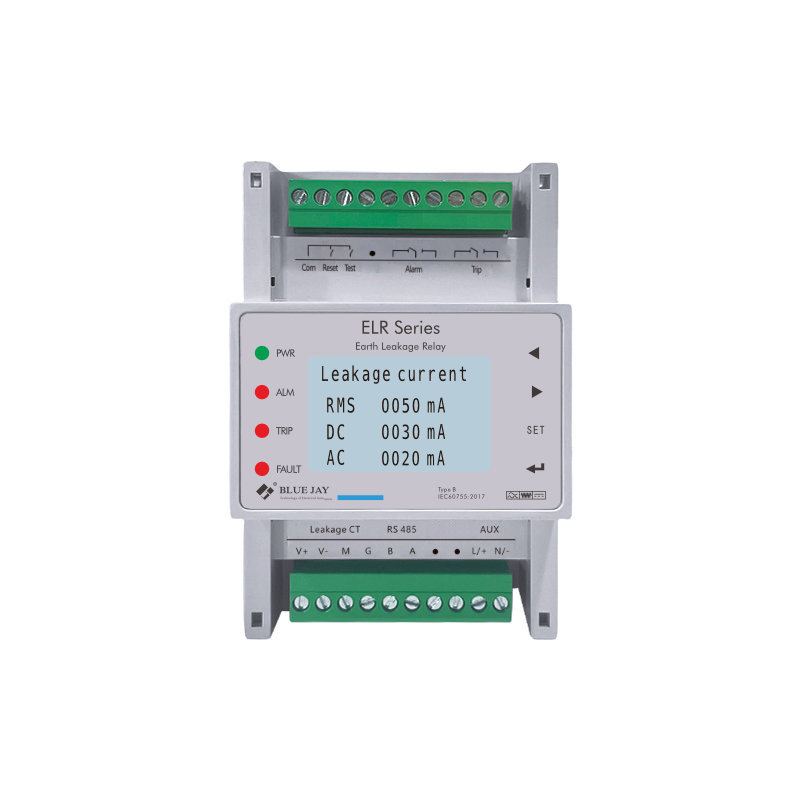
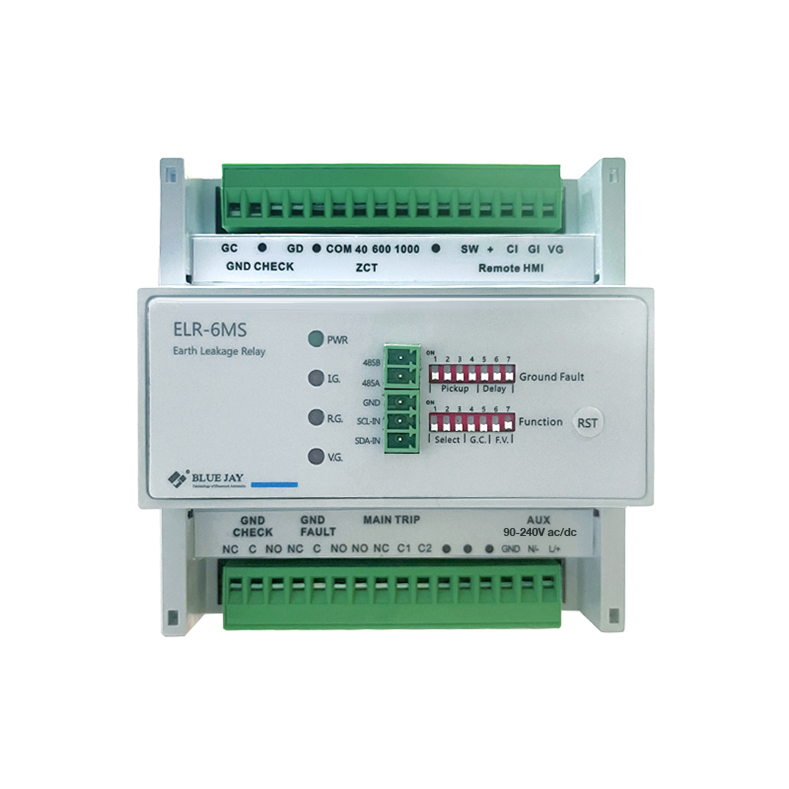
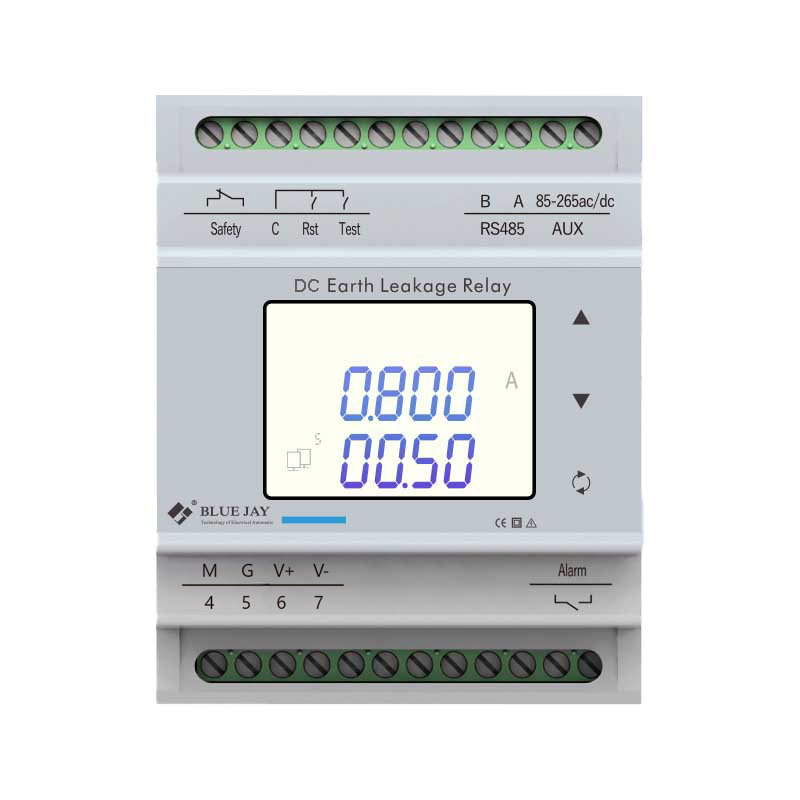
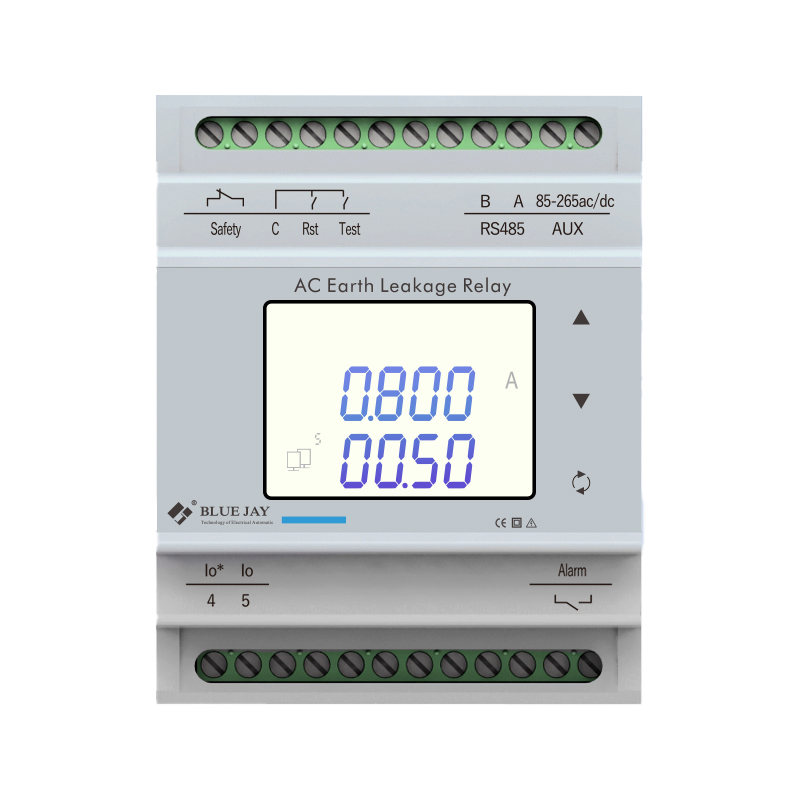
A Residual Current Monitor (RCM) is a device used to detect and monitor residual current in electrical circuits. Residual current is the difference between the current entering a circuit and the current leaving it, which can occur when there is a fault, such as a ground fault or leakage current to an unintended path. These faults can pose serious electrical safety hazards, including the risk of electrical shocks and fires.
The RCM constantly measures the current on the live and neutral conductors of a circuit. If there is a significant imbalance between these currents, the RCM will trip and interrupt the circuit’s power supply. This is especially important in situations where the leakage current is not high enough to trip a traditional circuit breaker but is still sufficient to pose a safety risk.
RCMs are commonly used in residential, commercial, and industrial electrical systems to provide an extra layer of protection against electrical faults and ensure the safety of people and property. They are particularly important in wet or damp environments, such as bathrooms, kitchens, and outdoor areas, where the risk of ground faults is higher.
It’s worth noting that the terminology and specific regulations regarding residual current devices (RCDs) and their variants may vary by region and country. In some places, RCM may refer to a specific type of device, while in others, it may be a more general term for RCDs. RCDs are also known as Ground Fault Circuit Interrupters (GFCIs) in some regions, and they play a crucial role in preventing electrical accidents.
Residual Current Monitor
What is the principle of residual current monitoring?
The principle of residual current monitoring is based on the fundamental concept of Kirchhoff’s current law, which states that the sum of currents entering a junction in an electrical circuit must equal the sum of currents leaving that junction. Residual current monitoring involves continuously measuring and comparing the currents on the live (phase) and neutral conductors of an electrical circuit to detect any imbalance or difference between them. Here’s how it works:
Measurement: Residual current monitoring devices typically include current transformers or similar sensors that are installed in the electrical circuit. These sensors continuously monitor the current on both the live and neutral conductors.
Comparison: The device continuously calculates the difference between the current entering and leaving the circuit. Ideally, in a balanced circuit with no faults, these currents should be equal, resulting in a net current of zero. Any deviation from this balance indicates the presence of a fault, such as a ground fault or leakage current.
Setpoint and Threshold: Residual current monitoring devices are set with a specific threshold or setpoint. When the difference between the currents (the residual current) exceeds this setpoint, it triggers the device to respond.
Response: When the residual current exceeds the setpoint, the residual current monitoring device takes action. This action typically involves opening a circuit breaker or disconnecting the power supply, effectively de-energizing the circuit. The goal is to prevent the continued flow of the fault current, reducing the risk of electrical shock or fire.
Alarm and Indication: In some cases, residual current monitoring devices may also provide alarms or indications to alert operators or users of the electrical system that a fault has been detected. This can help in identifying and addressing the issue promptly.
The key principle here is to ensure that the incoming current matches the outgoing current, and any difference is a sign of an electrical fault. Residual current monitoring is a critical safety measure, especially in situations where ground faults or leakage currents might not be large enough to trip a conventional circuit breaker but are still significant enough to pose safety risks.
Residual current monitoring device is commonly used in conjunction with Residual Current Devices (RCDs), which can quickly disconnect the power supply in the event of a fault to protect against electric shock and other electrical hazards.
How Are Residual Current Protection Values Typically Categorized?
Residual current protection values are generally categorized as follows:
When the leakage current is up to 30 milliamperes, the corresponding protection primarily focuses on personal safety to prevent electrical shocks.
When the leakage current falls between 30 and 100 milliamperes, the protection provides a balance between personal safety and fire prevention.
For leakage currents greater than 100 milliamperes, the protection primarily focuses on preventing electrical fires. In cases where a specific leakage current of 800 milliamperes is mentioned, it indicates a severe risk of electrical fires and should be carefully investigated.