What Is Medium Voltage Switchgear Monitoring System?
A Medium Voltage (MV) switchgear monitoring system is designed to continuously track key operational parameters of MV switchgear by integrating various sensors and utilizing protection relays. For example, insulation integrity can be assessed through continuous temperature and humidity monitoring, as well as circuit breaker monitoring. Furthermore, comprehensive circuit breaker condition monitoring is achievable by evaluating parameters such as the status of its operating coils, the spring charging motor’s performance, and a range of other critical indicators.
Which parameters should be monitored in MV switchgear?
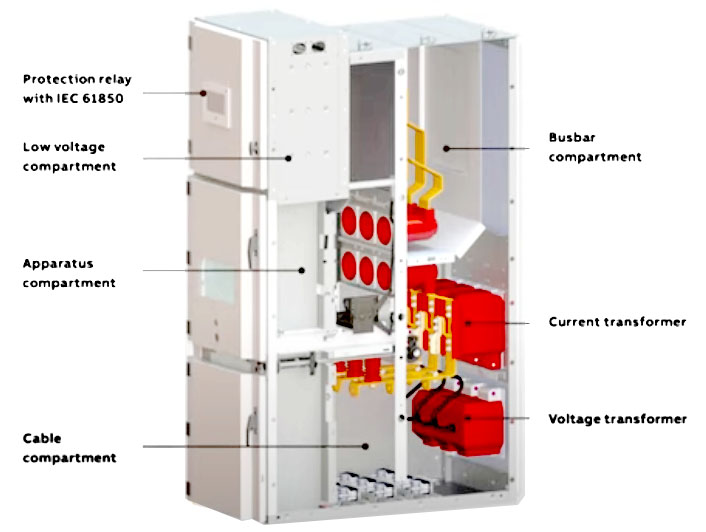
In MV switchgear, the switchgear monitoring system is commonly used to monitor the performance of the circuit breaker, CTPT instrument transformer, busbar, cable connections, and LV compartment, which will have relays and secondary equipment. The common parameters to be monitored are partial discharge, temperature, humidity, and circuit breaker parameters like coil voltage, closing & tripping coils. Besides, other parameters like SF6 and voltage presence need to be monitored.
MV Switchgear Monitoring System for Switchgear Safety
MV Switchgear Temperature Monitoring
Medium Voltage (MV) switchgear components naturally generate heat when operating under load, particularly at internal contacts, busbar connections, and circuit breaker contacts. However, excessive temperatures pose significant risks, potentially leading to accelerated insulation aging, equipment damage, and even catastrophic failures such as fire or explosion.
To mitigate these risks, comprehensive temperature monitoring of MV switchgear is crucial. Key monitoring points within the switchgear typically include:
- Busbar connections and cable joints.
- Circuit breaker contacts (main, moving, and static).
- Disconnector (isolator) contact points.
- Bushing and conductor connections.
- Conductor connections through internal partitions (e.g., wall bushings).
- Connection terminals of Current Transformers (CTs) and Voltage Transformers (PTs).
- The internal ambient temperature of the operating mechanism box.
Currently, temperature measurement methods for MV switchgear broadly fall into two main categories:
Periodic/Spot Measurement: This primarily involves measuring the external surface temperature of the switchgear using handheld infrared thermometers during routine inspections.
Continuous Online Monitoring: This is achieved by installing fixed temperature sensors directly inside the switchgear. These advanced sensors include:
- Online infrared thermal imagers or point sensors.
- Wireless active or passive temperature sensors (e.g., surface acoustic wave – SAW sensors).
- Fiber optic, thermocouple, or resistance temperature sensors.
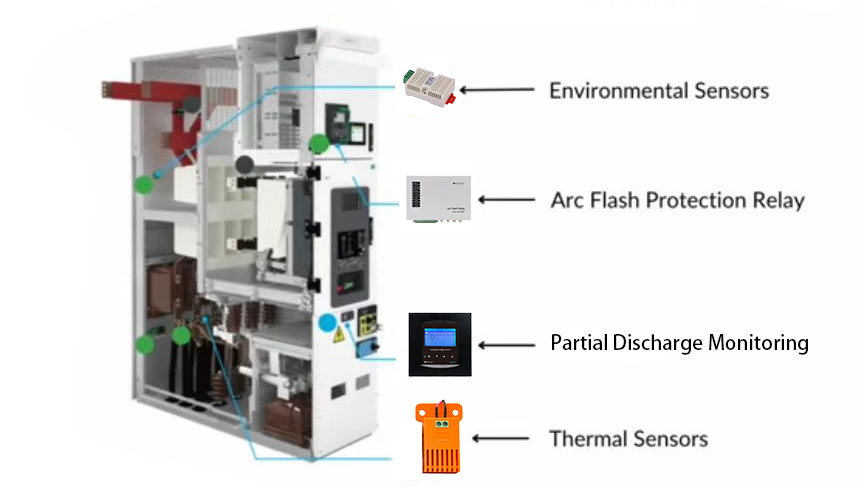
A typical MV switchgear temperature monitoring system involves installing these various temperature sensors at critical points within the cabinet. These sensors transmit temperature data to the relay. This relay will trigger alarms when pre-set thresholds are exceeded.
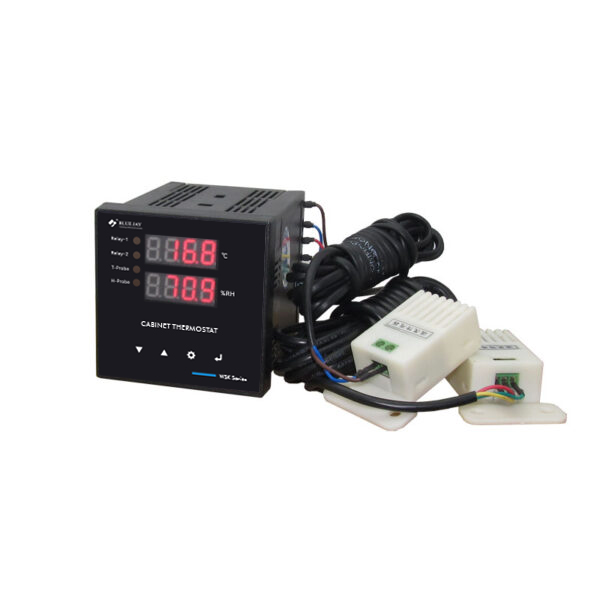
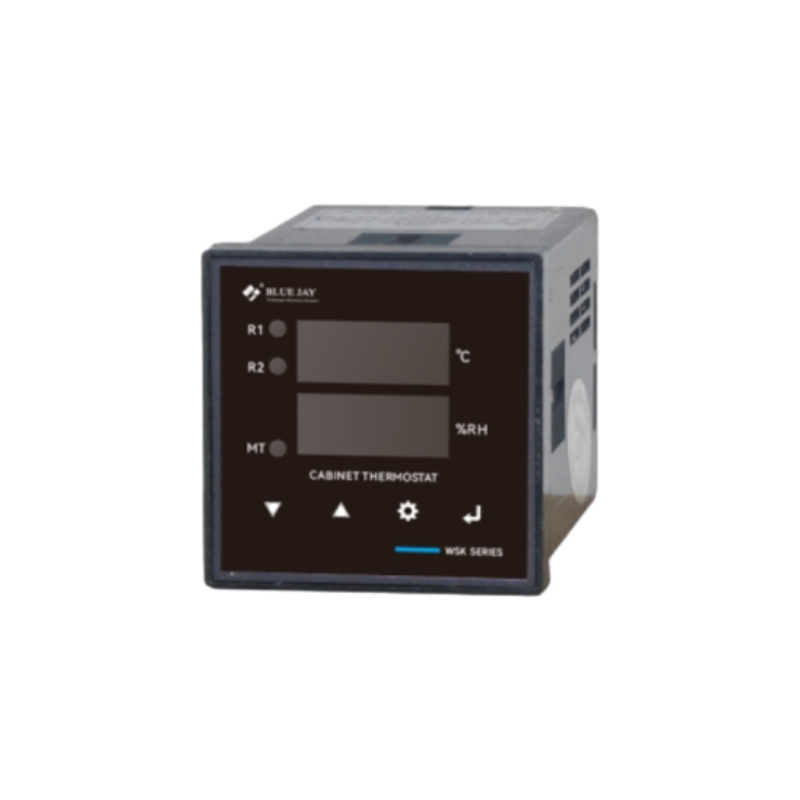
Blue Jay Switchgear Temperature Monitoring
Measures and displays temperature and humidity controls loads & transmits data
High Accuracy Temperature Within 1℃ & Humidity Within 5%
Heat/Fan control free to the configuration
MV Switchgear Arc Flash Detection Monitoring
Arc flash detection monitoring for Medium Voltage (MV) switchgear serves as a critical preventive protection measure specifically targeting arc faults. The most reliable, fastest, and selective solutions currently integrate both light detection and current detection principles. This involves the simultaneous monitoring of arc light and abnormal overcurrent before a trip command is issued. Optical fiber or point arc flash sensors are strategically installed within MV switchgear compartments where arc flash events are likely to occur (e.g., busbar, cable, and circuit breaker compartments). Concurrently, fault current signals are collected using current transformers. These collected arc flash and fault current signals are then transmitted to an arc protection relay for control and tripping.
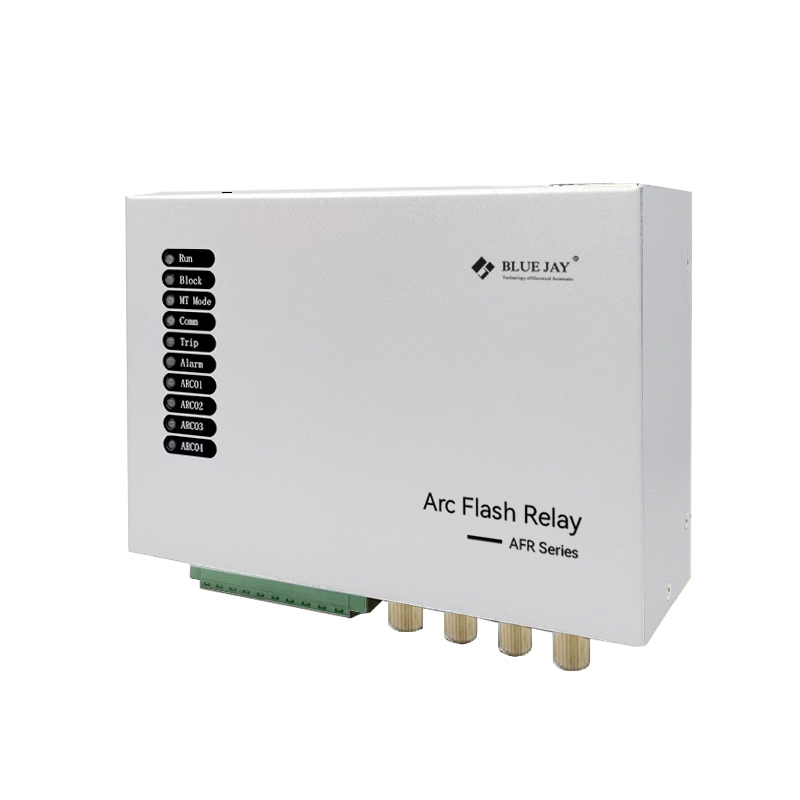
Blue Jay AFR-4 Arc Flash Detecion Monitoring
Protect switchgear from arc flash
4 channels for arc flash sensor
Quickly active circuit breaker failure protection
MV Switchgear Circuit Breaker Condition Monitoring
Medium voltage switchgear circuit breaker condition monitoring refers to the continuous or periodic collection and analysis of various operating parameters of the circuit breaker (such as coil voltage, closing & tripping coils, Spring charging motors voltage and current) to predict potential failures, thereby achieving predictive maintenance and condition-based maintenance.
MV Switchgear Partial Discharge Monitoring
Partial Discharge (PD) monitoring in Medium Voltage (MV) switchgear primarily leverages PD sensors and online PD monitoring systems to detect and assess insulation degradation and potential arc discharge events within the apparatus.
Currently, PD monitoring methodologies are broadly categorized into short-term (or periodic) monitoring and continuous monitoring. Short-term monitoring involves conducting intermittent assessments of PD activity over specific durations, typically facilitated by handheld or portable, box-type PD detectors. Conversely, continuous PD monitoring systems are permanently integrated into MV switchgear for round-the-clock surveillance. These systems commonly feature dedicated PD sensors interconnected with either local display units or centralized remote monitoring platforms.
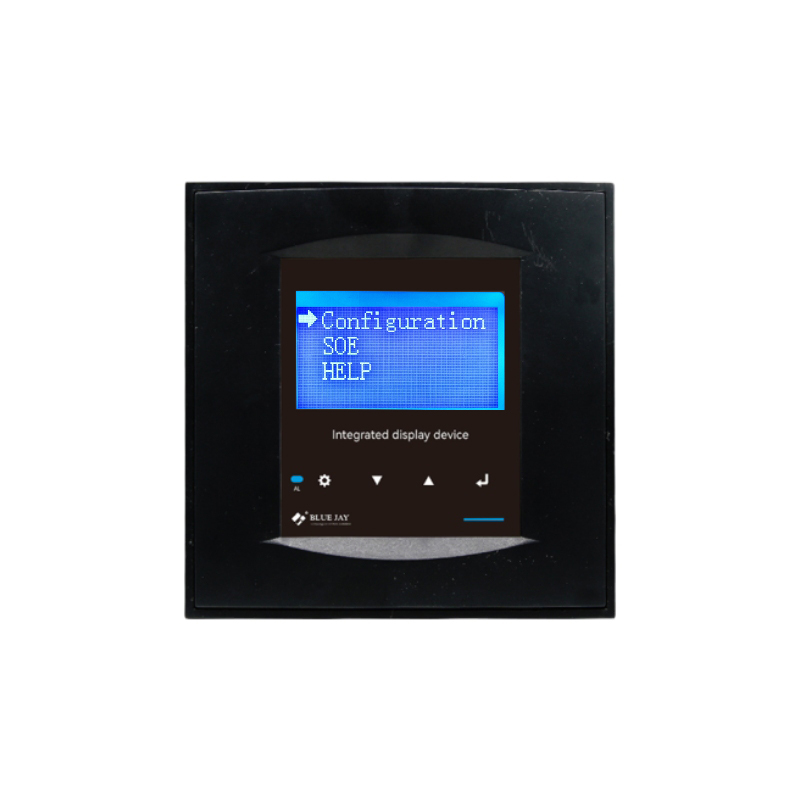
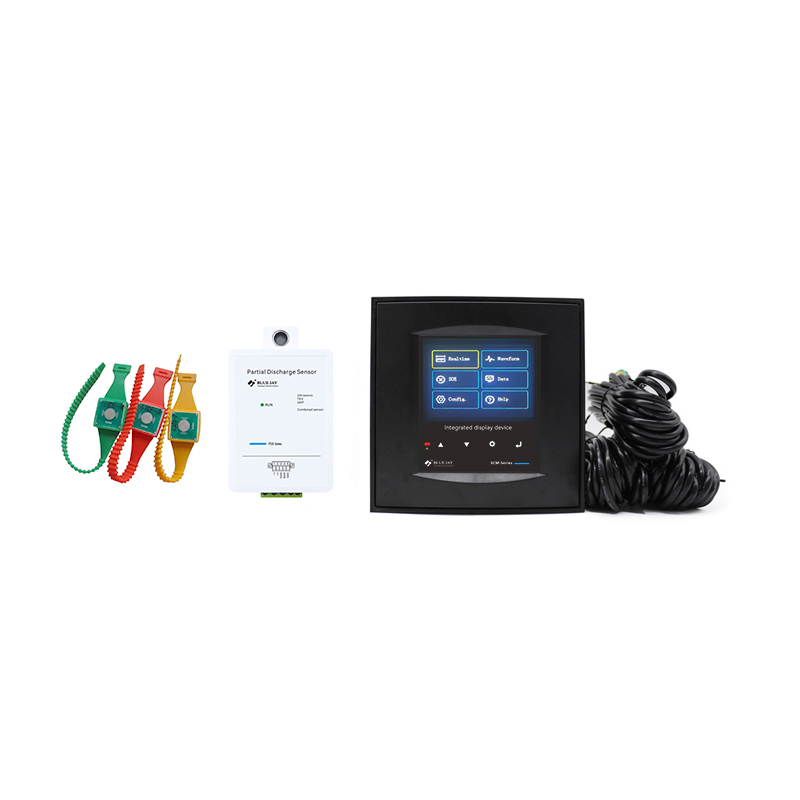
Blue Jay PD Monitoring for switchgear
Optional HFCT PD sensors, UHF PD sensors, AE PD sensors
24-hour Real-time PD monitoring
suitable for cables, motors, switchgear, transformer, etc.
MV Switchgear Busbar Monitoring
Busbar monitoring of medium-voltage switchgear mainly refers to detecting the temperature and partial discharge of the busbar connection points.
MV Switchgear SF6 Monitoring
Medium voltage switchgear SF6 monitoring refers to the real-time 24-hour uninterrupted online monitoring of SF6 gas density, concentration, trace water and decomposition products in gas insulated switchgear (GIS) and ring main unit, while controlling the ventilation system of the switchgear.
MV Switchgear Voltage Presence Relay
In medium voltage switchgear, voltage presence relays prevent equipment damage and personnel safety by monitoring the voltage level of the busbar or line and sending signals or performing actions when the voltage is abnormal.
MV Switchgear Fault Passage Indicators
Fault passage indicators are usually installed directly on the panel of the switchgear or near the cable outlet, and display faults through eye-catching physical indications (such as flashing LED lights or flipping mechanical flags).