A Guide to EV Charging Submetering & EV Charger Sub Meters
As electric vehicle (EV) penetration continues to rise globally, EV charging infrastructure has become standard supporting equipment for residential buildings, commercial parks, corporate fleets and public parking lots. However, a core pain point accompanies the popularization of charging piles: how to accurately measure, allocate and settle the electricity consumption of EV charging.
This is where EV charging submetering and professional sub meters for EV chargers play an irreplaceable role. Different from traditional building master meters that record overall power consumption, EV charging submetering systems focus on refined metering of EV charging power, solving the problems of fuzzy power consumption data and unfair cost allocation in shared charging scenarios.
What is EV Charging Submetering
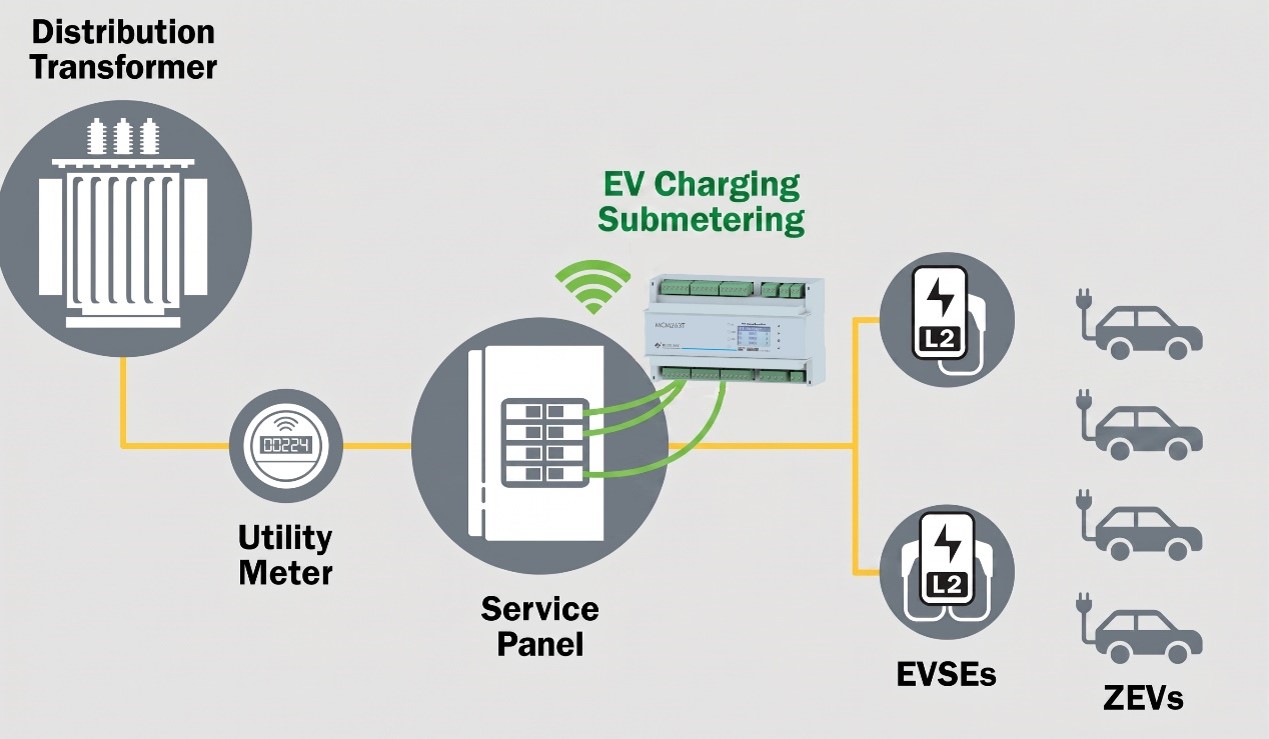
EV charging submetering is the dedicated metering practice that uses certified EV charger sub meters to isolate and track kWh consumed solely by EV charging equipment, separating charging power from the building’s total main-meter consumption for fair cost allocation, separate utility billing and qualified EV TOU rate access.
Two Types of EV Charger Sub Meters
- Embedded EV Charging Submeter
Embedded submeters are built directly into factory-certified EV charging equipment. Integrated during EVSE manufacturing, these meters sync natively with charger firmware to capture real-time charging energy data. This all-in-one solution requires no extra field wiring, making it ideal for new charging station deployments that demand streamlined installation and unified system compliance.
- Standalone External Sub meter for EV Charger
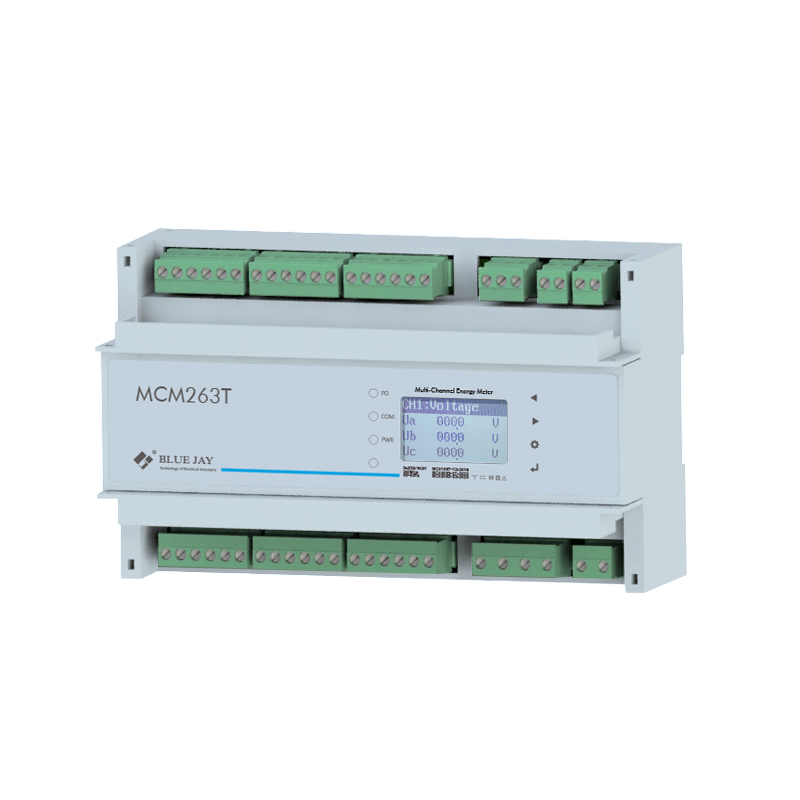
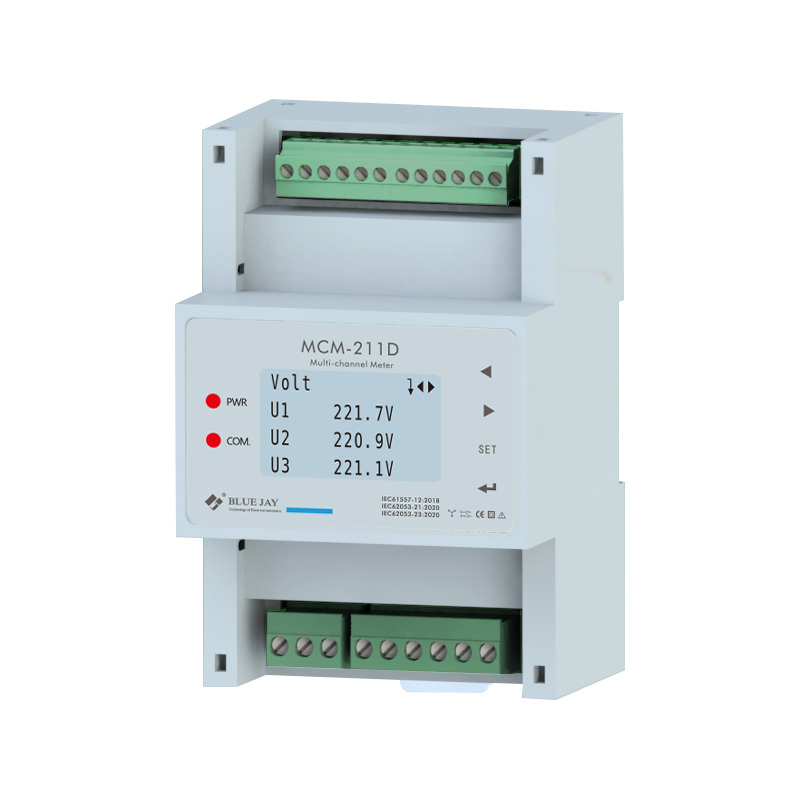
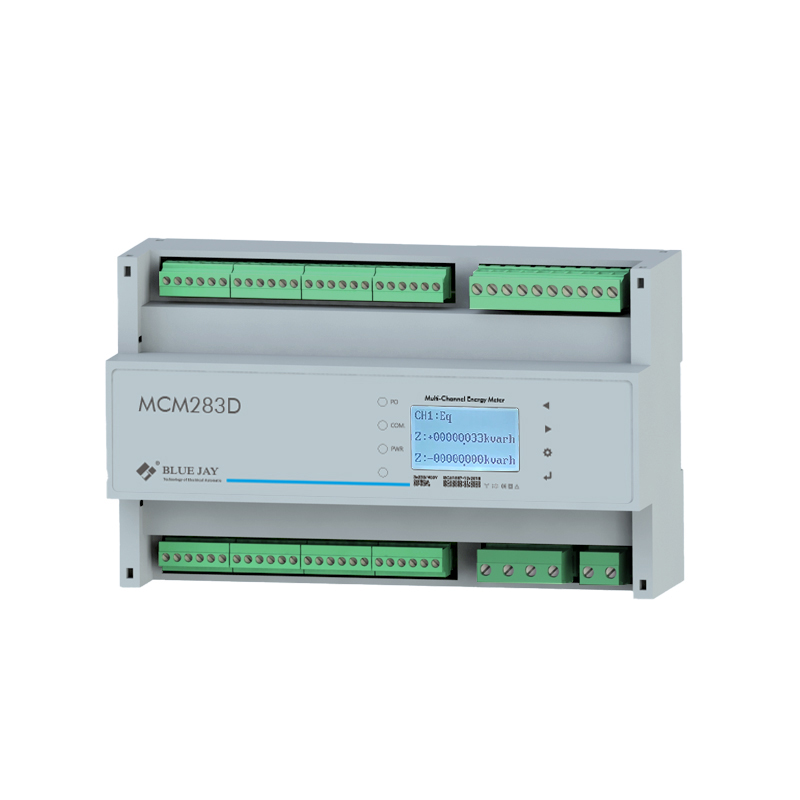
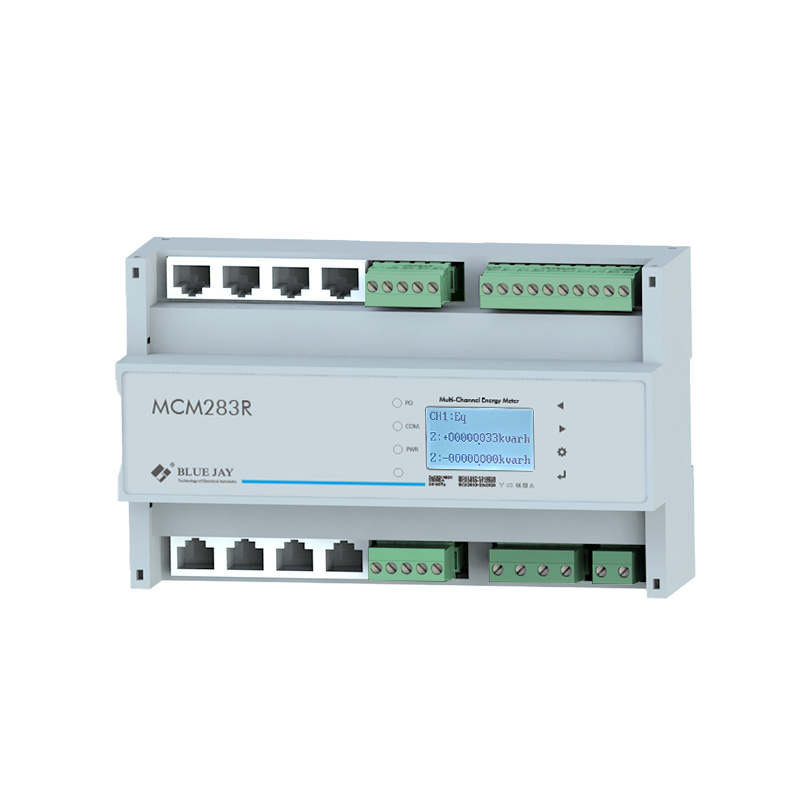
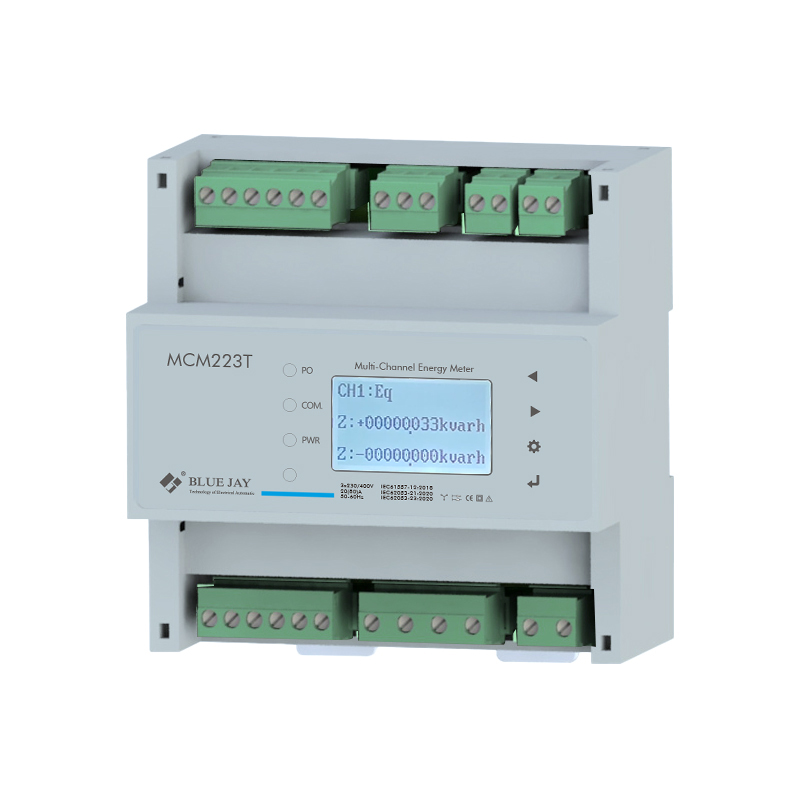
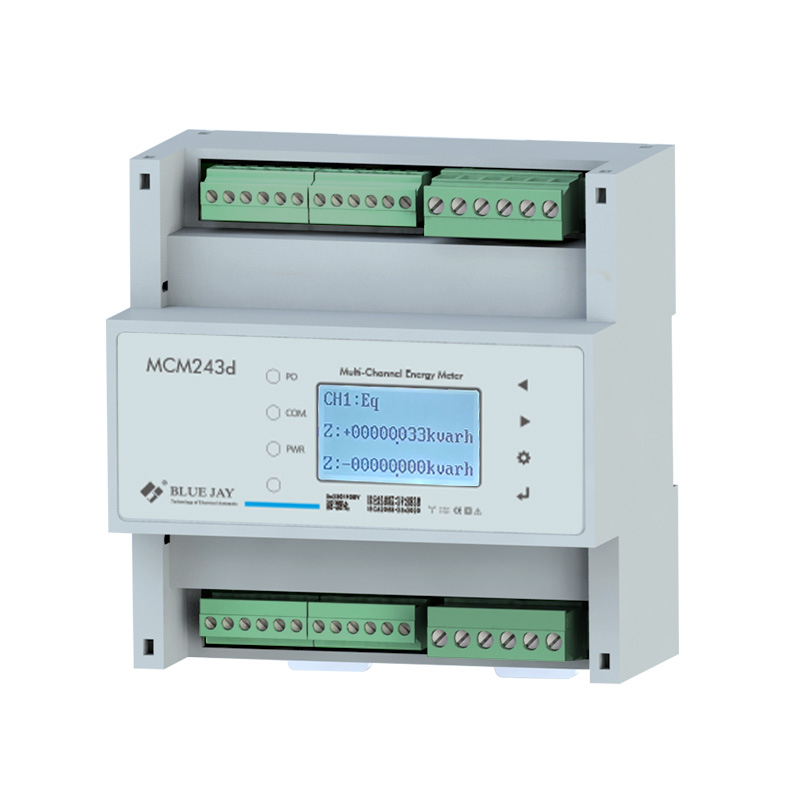
Standalone submeters are independent, retrofit-ready units installed downstream of the main electrical panel on the customer side of the utility meter. They operate separately from EVSE internal circuitry, enabling precise energy tracking for older or non-metered charging piles. This flexible solution eliminates the need to replace existing chargers, perfectly fitting building renovation and incremental charging capacity upgrade projects.
Core Function of EV Charger Submeters: Accurate kWh Energy Tracking
The foundational purpose of EV charging submetering is granular, verifiable energy consumption tracking. Unlike main meters that aggregate whole-building power usage, dedicated EV submeters isolate EV charging load completely.
They record session-specific kWh consumption for every charging event, generate continuous energy usage logs, and filter out non-charging power draw. This precise data eliminates estimation errors, provides auditable energy records, and forms the reliable data basis for billing reconciliation and operational energy analysis.
Sub meter for ev charger - Global Certification & Compliance Requirements
EV submeter billing validity depends entirely on regional official certifications. No universal global approval exists; each territory enforces strict meter certification standards to ensure utility-recognized legal metering and separate invoicing. Below are mandatory certifications for major global markets:
California, USA: SCE Approval paired with UL safety certification and CEC compliance. SCE listing is exclusive to Southern California Edison service territories and is mandatory for legal separate EV charging billing and TOU tariff eligibility.
Rest of the United States: NTEP certification and ANSI C12.20 compliance for legal-for-trade metering, required for all commercial and multi-tenant EV charging submetering.
EU & UK: MID (MI-003, EN50470) certification is legally mandatory for all payable EV charging cost allocation across all member states.
Germany: Eichrecht has the strictest metrology law in Europe, requiring apartments, industrial parks, and corporate vehicle charging stations to be equipped with tamper-proof sub-meters, and the metering data can be made public and traced.
Canada: Measurement Canada federal approval is required for tenant-specific EV charging billing and compliant energy settlement.
Australia & New Zealand: NMI certification plus RCM safety compliance for legal shared charging cost splitting and utility verification.
Key Asian Markets: KC (Korea), PSE (Japan), and TISI (Thailand) certifications enable localized compliant EV submeter operation and preferential tariff access.
Critical Note: SCE approval is strictly California-specific and not valid for any other domestic U.S. states or international markets.
Key Benefits of EV Charging Submetering
Fair and Transparent Cost Allocation
EV submetering eliminates cross-subsidization in shared charging environments. It attributes exact electricity costs solely to active EV charger users, preventing non-charging tenants from absorbing communal charging expenses. This transparent billing mechanism resolves tenant disputes and simplifies automated financial reconciliation for property teams.
Eligibility for EV-Exclusive TOU Tariffs
Most utility providers offer discounted time-of-use (TOU) rates dedicated to EV charging. Certified submeters separate EV load from general building power usage, allowing site operators to apply for and leverage low-cost off-peak EV tariffs and deliver measurable long-term operational savings.
Data-Driven Energy Management & Cost Optimization
Continuous kWh data tracking enables facility managers to analyze charging station utilization, identify idle equipment energy waste, and detect abnormal power consumption. This actionable data supports load scheduling optimization, reduces overall site energy expenditure, and standardizes EV charging energy auditing.
Full Regulatory Compliance
Certified EV submeters keep multi-family properties, commercial parking facilities, and charging point operators (CPOs) compliant with local utility rules and building energy codes, avoiding non-compliance fines and utility service rejection.
Where EV Charger Sub Meters Are Mandatory
EV Charging submetering is no longer optional for commercial and shared charging infrastructure in major global markets. Mandatory requirements cover billing legitimacy and grid compliance:
California, USA: Strictly mandatory for all multi-tenant and public EV charging stations under local utility regulations.
Entire EU & United Kingdom: MID-compliant submeters are legally required for all payable EV charging services.
Canada: Federally mandated for all commercial and residential shared EV charging billing.
Australia & New Zealand: Required for legal tenant cost allocation and utility-approved charging metering.
Middle East & Southeast Asia: Strongly policy-incentivized; submeter installation is a prerequisite for accessing preferential EV electricity tariffs.
Common EV Charging Submetering Application
EV charger submeters serve all mainstream commercial and residential charging use cases, supporting both new builds and retrofits:
Multi-Tenant Residential Buildings: Accurate billing for apartment and condominium shared charging stations.
Office & Commercial Parking Lots: Allocate charging costs to employees, tenants, or third-party users.
Corporate & EV Fleet Charging: Track fleet vehicle charging energy consumption for precise operational cost accounting.
Public Charging Stations: Provide utility-verified metering data for compliant commercial charging operations.
Existing EVSE Retrofit Projects: Add compliant metering to legacy chargers without full equipment replacement.
FAQ
- What is the difference between EV submeter and main meter?
A main meter records total whole-building power consumption covering all electrical loads. An EV charging submeter is a dedicated device that only tracks EV charger energy usage. It delivers isolated, session-level kWh data for precise billing and energy management, while main meters cannot separate EV charging load from general site power usage.
- Is SCE approval required for EV submetering?
SCE approval is only mandatory for installations within Southern California Edison’s service area. It is not required for other U.S. states or international markets. Properties outside California follow local certification standards such as NTEP, MID, or Measurement Canada.
- Can external submeters be used for official EV billing?
Yes, only with locally required certifications like SCE, MID or NMI to produce legally valid billing data.
- Do all countries require EV charger sub meters?
No. Many nations mandate them for shared/commercial chargers, while private home chargers are usually optional.
- How does an EV charger sub meter work?
It captures voltage and current from individual EV charging circuits to calculate kWh usage, separating charging power away from overall building electricity for EV charging submetering.
Conclusion
EV charging submetering is the foundational solution for compliant, fair, and cost-effective EV charging operation worldwide. Both embedded and standalone EV charger submeters deliver accurate kWh tracking, enabling transparent cost allocation, tariff optimization, and data-backed energy management.
Since certification requirements vary strictly by region, selecting locally approved submeters is critical to meeting utility rules, avoiding compliance risks, and maximizing long-term energy cost savings for all residential and commercial EV charging projects.