How Electric submetering crushes traditional single-meter solutions
Electrical submetering has emerged as the definitive strategy addressing the critical need for granular consumption data among building managers, owners, and facilities engineers. By providing precise visibility into how and where energy is being consumed, submetering directly enables targeted efficiency improvements and significant reductions in operational costs. This article will utilize a highly relevant multi-tenant application to compare the distinct advantages of multi-circuit meters with the traditional, cumbersome approach of using discrete single-channel meters.
Traditional Individual Metering for Approach for multi-tenants
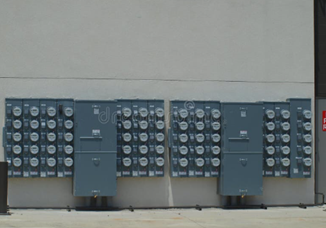
Traditional individual metering involves installing a dedicated electricity meter for each tenant. Each meter measures the electricity consumption of a single tenant independently. This approach has been widely used in residential complexes, small office buildings, and commercial properties with fewer tenants.
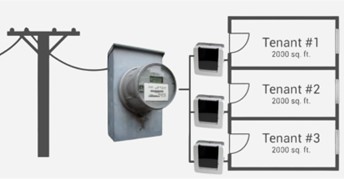
Consider a scenario with three individual tenants (Tenant 1, 2, and 3). To accurately determine each tenant’s energy usage, a traditional independent metering solution is implemented. This setup requires one master energy meter to measure the total facility consumption and three individual energy meters to measure the specific consumption of Tenants 1, 2, and 3, respectively. Besides, the sum of each tenant’s kWh consumption equals the total kWh recorded. Before this solution appears, you may only know the total energy consumption but now you can know the accurate energy consumption of each tenant.
Although this discrete metering solution is good, there are some disadvantages. Here are some advantages and disadvantages of this single-channel metering solution.
Advantages of Traditional Individual Metering solution for multi-tenants
- Independent Measurement: Each tenant’s electricity usage is measured separately, ensuring accurate and straightforward billing.
- Clear Accountability: Since the data is isolated per tenant, disputes over consumption or billing are minimal.
- Installation Requirements: Requires sufficient space in the electrical room or distribution board for individual meters. Each meter requires its own voltage and current connections, increasing wiring complexity.
- High measurement accuracy and tenant-level accountability.
- Easy to monitor individual tenant energy trends and detect anomalies.
Limitations of Traditional Individual Metering
- High installation complexity due to multiple meters and associated wiring.
- Greater physical space requirements in electrical panels or meter rooms.
- Increased maintenance effort, as each meter needs periodic inspection and potential servicing.
Traditional individual metering is best suited for buildings with a limited number of tenants and available panel space, where precise billing and high transparency are primary requirements.
Electrical Submetering with multi-tenant electricity meter
Nowadays, you can employ a single multi-channel or multi-circuit meter to measure multiple tenants or multiple circuits within a building. This approach is gaining popularity in large commercial complexes, multi-story office buildings, and residential high-rises where space and cost efficiency are critical.
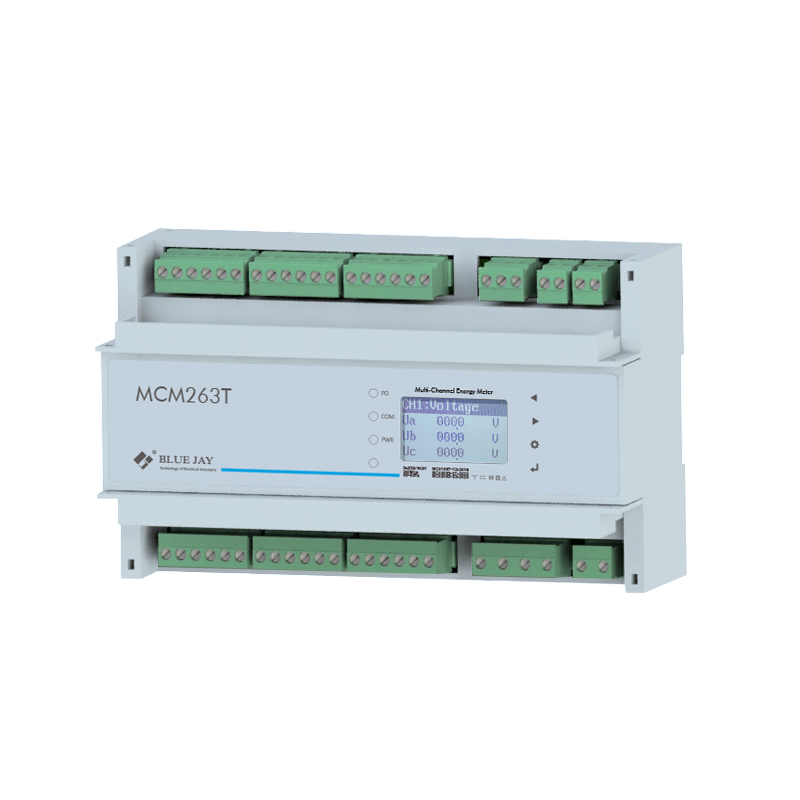
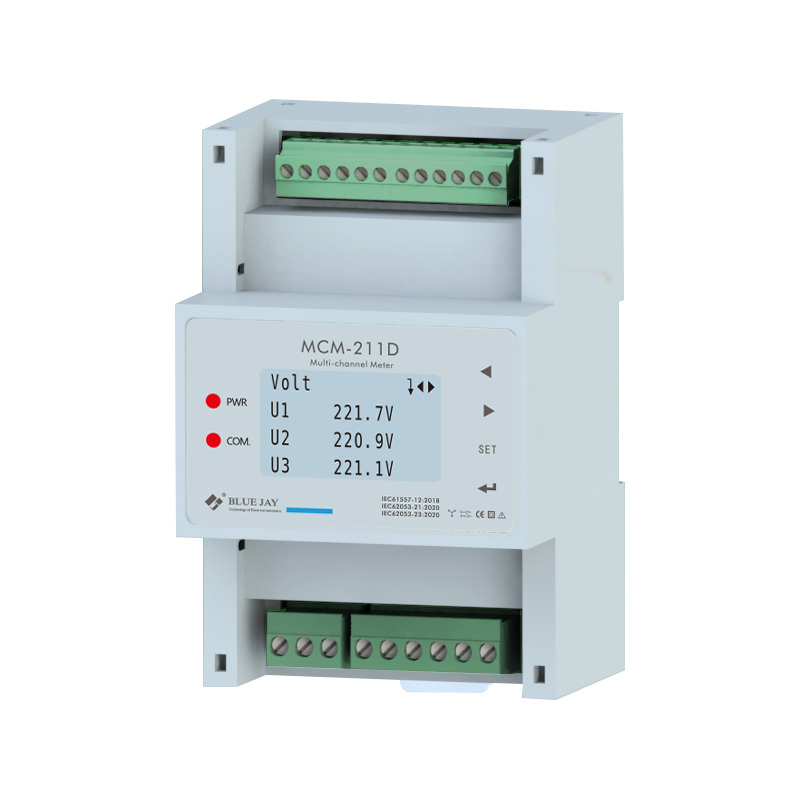
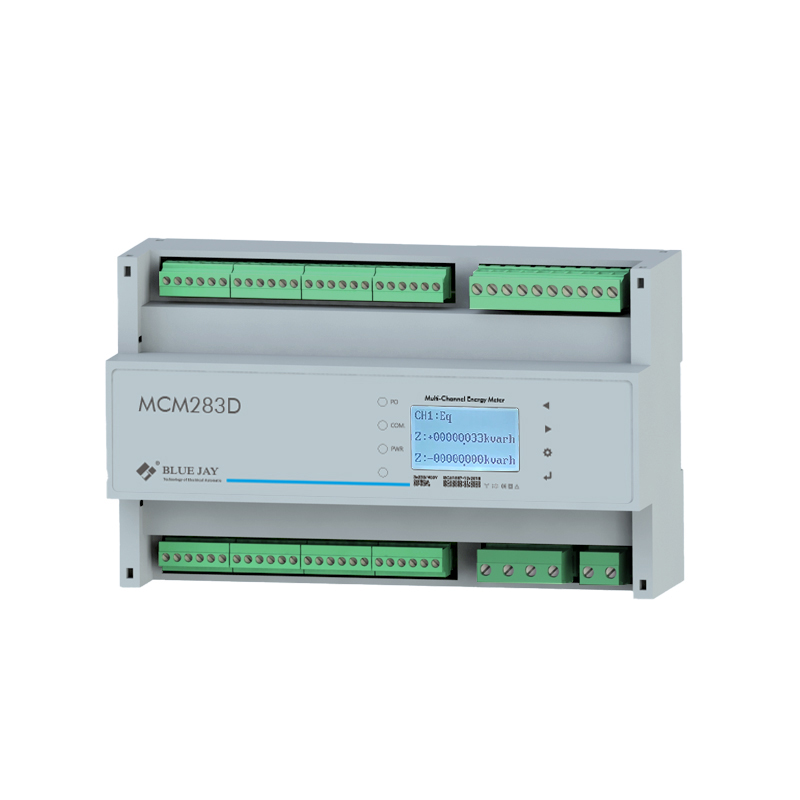
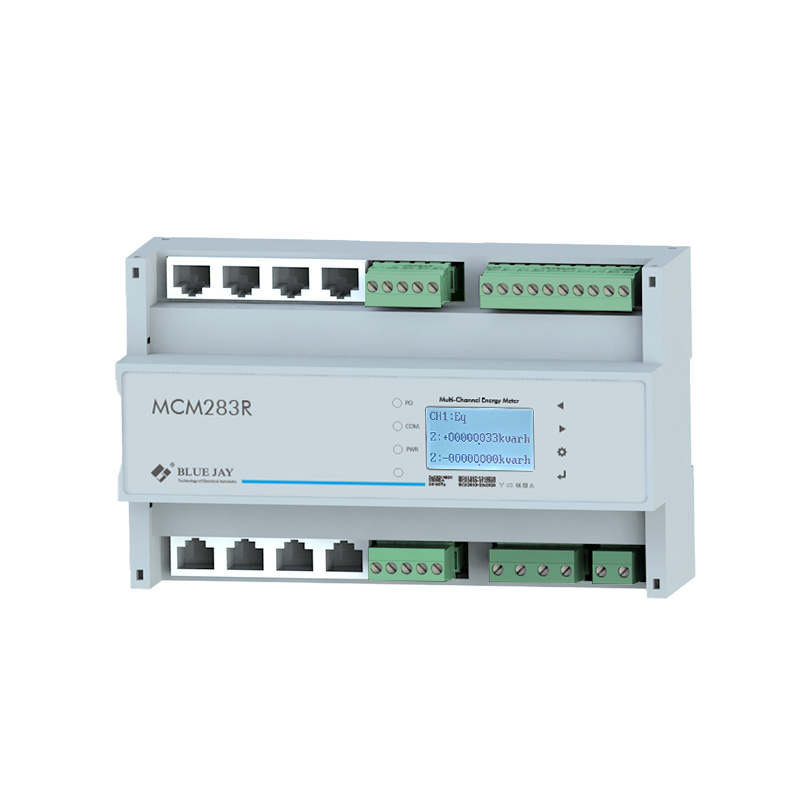
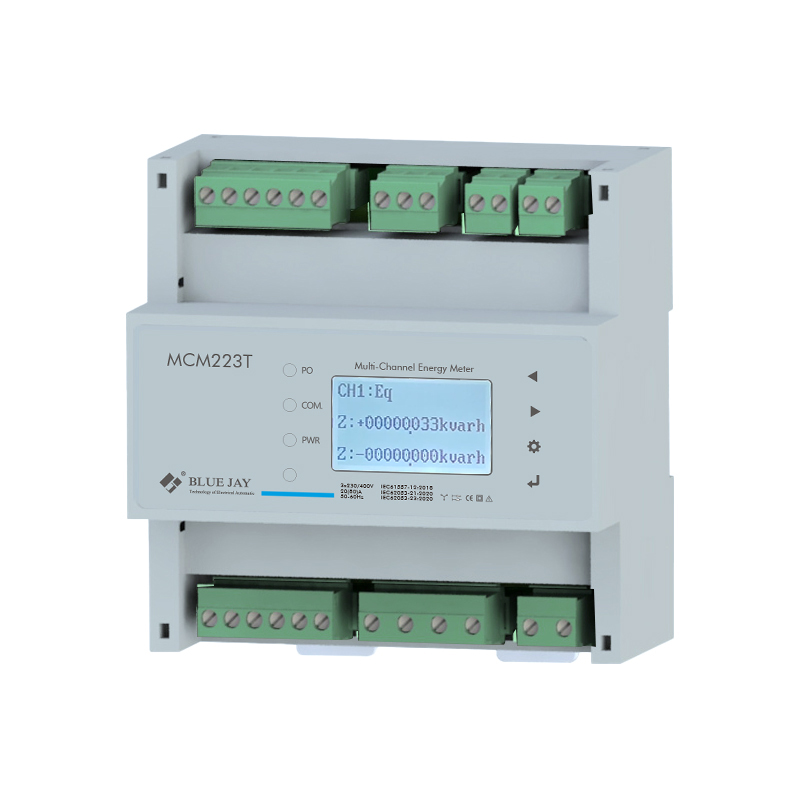
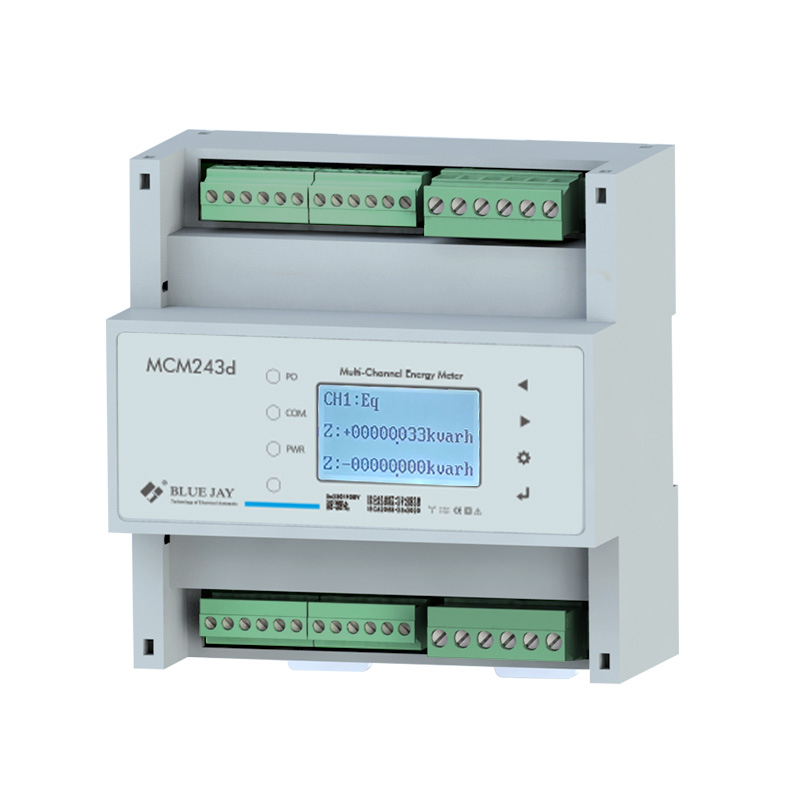
Take a building with three tenant as an example, traditional independent metering solutions require the installation of four separate meters (one main meter and three sub-meters), which not only increases hardware procurement costs but also leads to space constraints in the distribution cabinet and complex wiring. Multi-channel meter solutions revolutionize this model. A single high-density multi-channel energy meter can simultaneously connect to and accurately measure the power consumption of the main incoming line, as well as the independent energy consumption data for the three loops: Tenant 1, Tenant 2, and Tenant 3. All tenants’ kWh data is output via a single Modbus communication port, simplifying data acquisition and billing system integration. As for this application, Blue Jay MCM211D is a perfect electrical submetering solution
Our multi-circuit electrical submeter solves the drawbacks of traditional tenant submetering. By implementing this new solution, you gain the following key advantages:
- Consolidated Measurement: One multi-circuit meter can monitor multiple circuits simultaneously, with each circuit corresponding to a tenant or a specific load.
- Centralized Installation: Reduces the number of meters, simplifying installation and reducing wiring complexity.
- Data Management: Circuit-level consumption can be analyzed and billed individually through software or building energy management systems (BEMS).
- Significantly reduces the installation footprint and wiring requirements.
- Cost-effective for buildings with a high number of tenants or circuits.
- Easier to integrate into centralized energy monitoring systems for operational insights.
Multi-circuit electrical submetering is ideal for large-scale buildings with limited distribution space, multiple tenants, or when a centralized energy monitoring system is preferred. It balances accuracy with installation efficiency, making it a practical solution for modern multi-tenant facilities.
Multi-Circuit Energy Meter vs multiple single channel meters
| Feature | Multi-Circuit Energy Meter | Single-Channel Meters |
| Installation Complexity | Low – a single device can monitor multiple circuits | High – each circuit requires a separate meter |
| Wiring & Space Requirement | Compact – reduces panel space usage | High – occupies more space, complex wiring |
| Data Acquisition & Management | Centralized, supports real-time monitoring | Dispersed, requires manual consolidation |
| System Scalability | Flexible – adding new circuits is simple | Complex – requires additional meters and wiring |
| Maintenance Cost | Low – centralized management | High – each meter requires separate maintenance |
| Energy Analysis Capability | Supports multi-dimensional analysis and reporting | Limited data, analysis is difficult |
| ROI (Return on Investment) | High – reduces long-term operational costs | Low – high initial and operational costs |
Conclusion
Multi-circuit electrical submetering outshines traditional single-meter setups by simplifying installation, reducing wiring and panel space, and providing detailed tenant-level energy data. It lowers maintenance, enables better operational insights, and offers higher ROI—making it the clear choice for modern multi-tenant buildings.