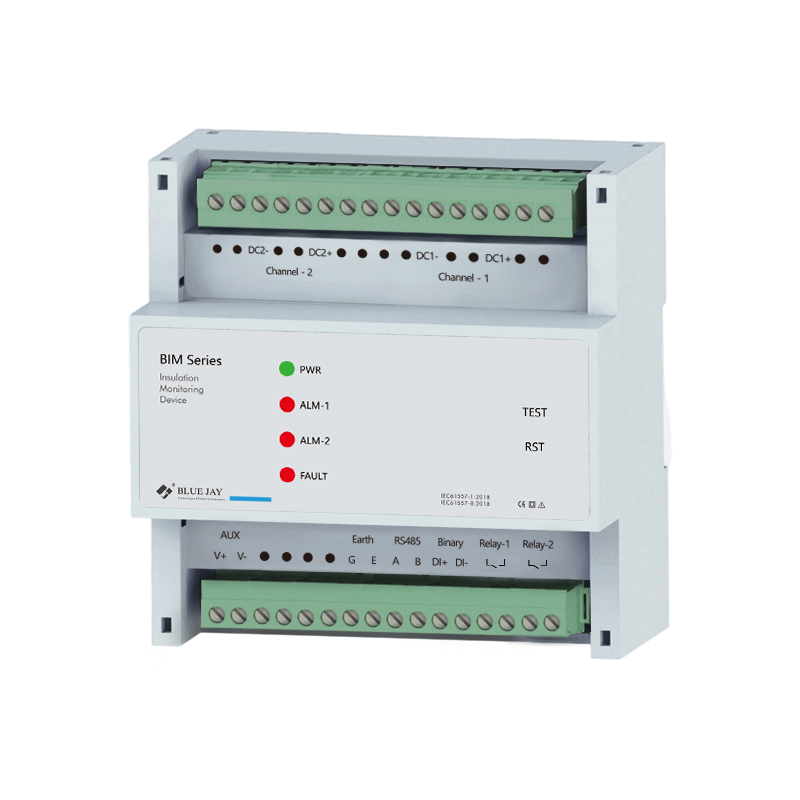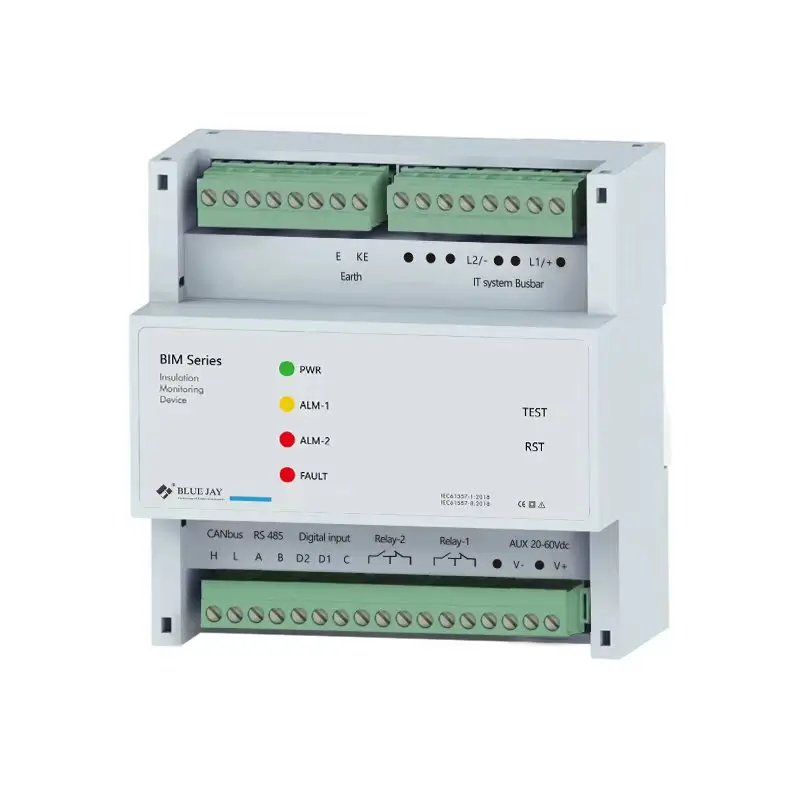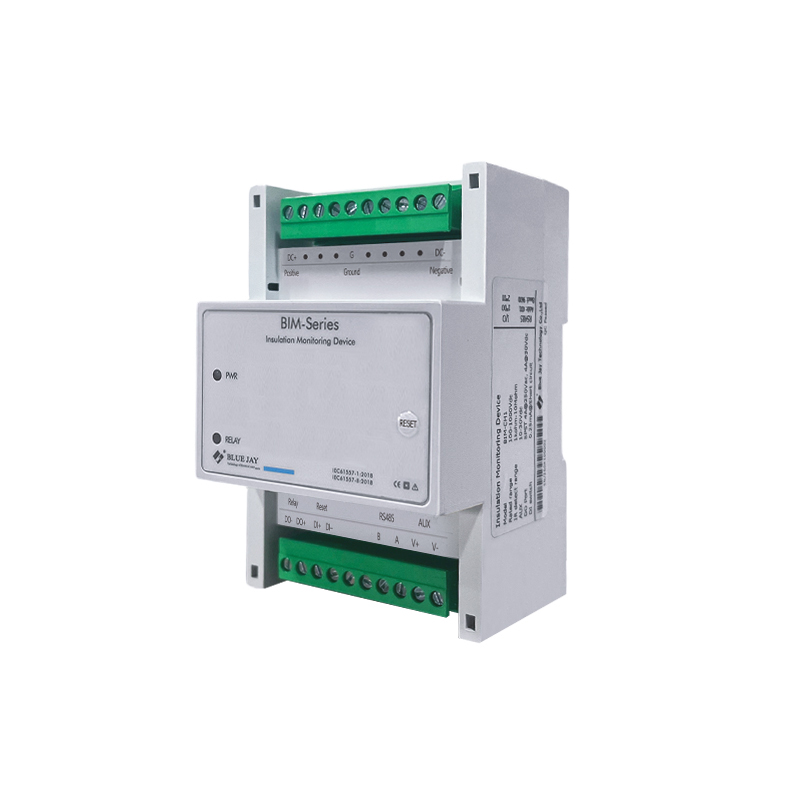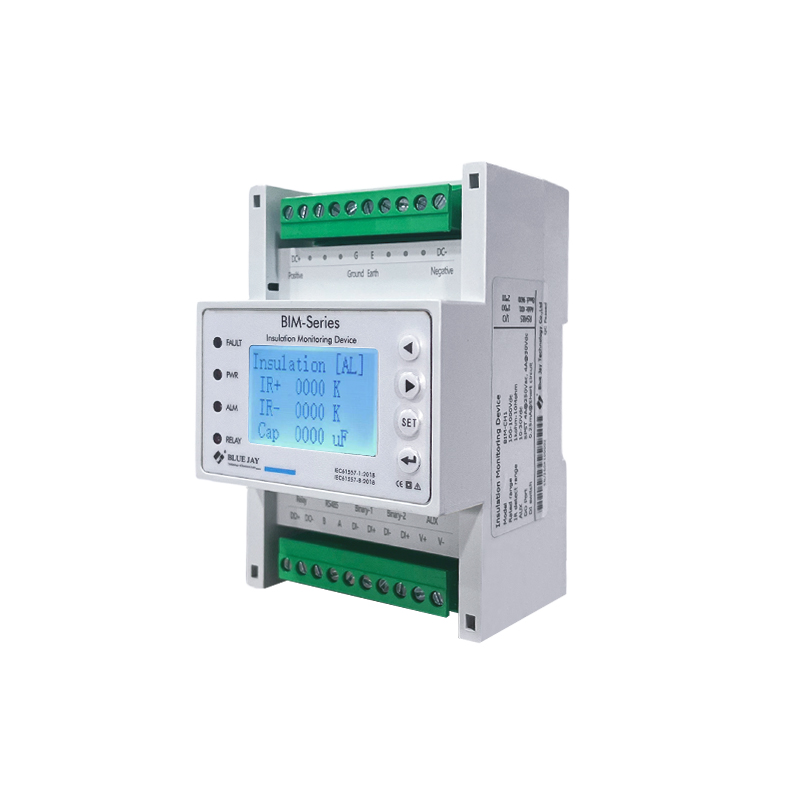
Insulation Monitoring & PE Monitoring for EV Charging Stations
Charging pile high-voltage systems pose two major electric shock hazards: insulation damage and leakage, and a broken protective earth (PE) wire. Traditional insulation monitoring modules only detect the busbar-to-ground insulation and cannot identify PE open-circuit faults. If the PE wire breaks and insulation breakdown occurs, the equipment’s metal casing will directly carry dangerous high voltage, posing a significant safety vulnerability.
To solve this issue, Blue Jay utilizes optocoupler isolation technology to integrate PE ground wire breakage monitoring into the insulation monitoring device. This allows for simultaneous real-time monitoring of both high-voltage insulation and PE grounding continuity, meeting all mandatory safety specifications of IEC 61851 and serving as a standardized safety module for AC/DC charging piles. This article will introduce the insulation monitoring device with PE Monitoring.
What is an PE Insulation Monitoring Device with PE Disconnection Monitoring?
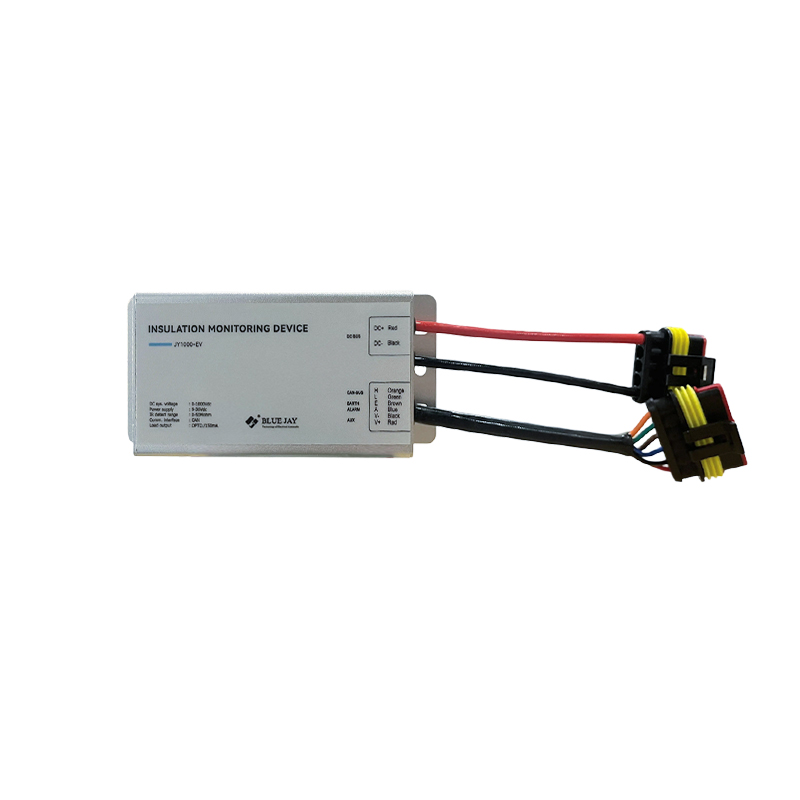
An integrated IMD device (PE disconnection insulation monitoring device) is a high-voltage safety protection module specifically designed for charging piles, energy storage, and on-board chargers. The device integrates two independent detection units: a high-voltage insulation monitoring unit and a PE protective ground wire continuity disconnection monitoring unit. Both units utilize optocoupler isolation to achieve high and low voltage electrical isolation, simultaneously performing ground insulation resistance detection and PE grounding loop integrity determination without requiring an external independent PE detection circuit.
How does the EV charging pile PE wire disconnection insulation monitoring work?
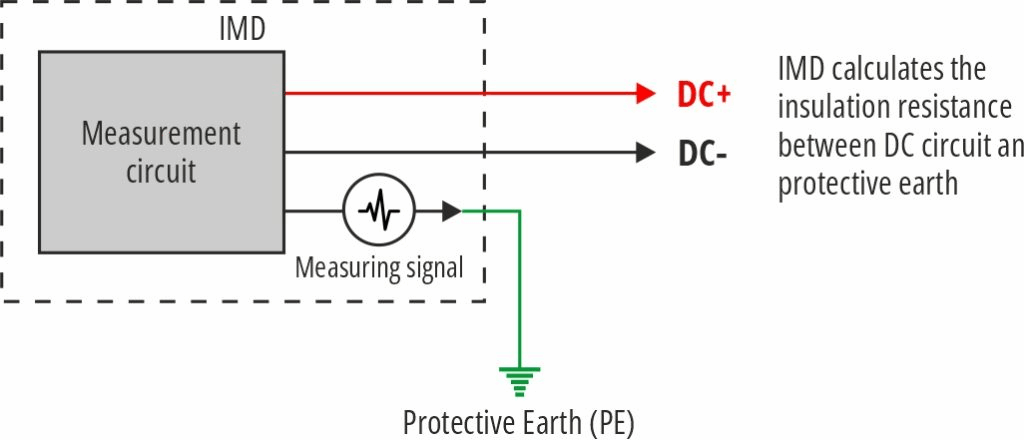
The PE disconnection monitoring function in this insulation monitoring device uses a switching optocoupler digital detection method. The insulation monitoring device takes the auxiliary AC L-phase from the pile as the detection signal, which, after high-voltage current limiting and rectification, is connected to the primary side of the optocoupler, using the equipment’s PE ground wire as the return path. When the PE ground wire is conducting normally, a stable current is formed in the detection loop, the optocoupler continues to conduct, and the device determines that the grounding status is good. When a PE wire disconnection or loose connection occurs, the loop path is broken, the optocoupler is cut off, and the device immediately identifies the grounding fault and prioritizes locking the high-voltage output. The accompanying filtering circuit effectively suppresses 50Hz power frequency pulsation interference, significantly improving detection stability under complex outdoor conditions and avoiding false alarms.
The high-voltage insulation monitoring unit adopts a high-precision analog sampling scheme using linear optocouplers, adaptable to both AC and DC charging pile operating modes. For AC charging piles, the device uses two linear optocouplers to collect the leakage current to ground of the L and N phase lines in real time, accurately calculating the phase line insulation resistance to ground. For DC charging piles, the device injects a weak test voltage into the DC+ and DC- buses based on the unbalanced bridge principle, independently collecting the leakage current to ground of the positive and negative buses, and calculating the insulation resistance to ground of the two high-voltage buses separately. Through the high-strength electrical isolation of the linear optocouplers, the high-voltage buses of the charging pile are completely isolated from the low-voltage main control system, effectively preventing high voltage surges of thousands of volts from entering the control circuit and causing device breakdown, ensuring sampling safety and overall equipment reliability.
The insulation monitoring device possesses comprehensive dual-function collaborative control logic, realizing closed-loop management of the entire process, including power-on self-test, operation monitoring, fault protection, and channel self-diagnosis. After powering on, the device prioritizes PE ground wire detection. Any grounding abnormality will immediately lock the high voltage and prevent reconnection. Only after passing grounding checks can insulation self-test be initiated, ensuring the device has a safe grounded foundation before use. During charging, PE monitoring and insulation monitoring are sampled synchronously in parallel with a 24ms cycle, and a tiered fault logic is set: PE disconnection is the highest priority fault, instantly cutting off all power output; severe insulation degradation shuts off high voltage output while maintaining grounding monitoring; minor insulation attenuation only sends an early warning and does not affect normal charging. Simultaneously, the device periodically self-tests the optocoupler sampling channel, checking for optocoupler damage, open circuits, and other anomalies in real time. Once an isolation channel fault is identified, the device immediately shuts down for protection, completely eliminating the hidden safety risks caused by monitoring failure.
Differences between integrated optical coupler insulation monitoring devices for AC and DC charging piles
| Comparison Dimension | AC Charging Pile Integrated IMD | DC Charging Pile Integrated IMD |
| PE Disconnection Sampling Power Source | Taken directly from the L-phase of the main input circuit; no additional auxiliary power supply required | High-voltage bus is a floating IT system; an independent PE detection branch is built with a separate auxiliary AC220V supply, fully isolated from the DC high-voltage bus |
| Insulation Monitoring Target | L and N AC phase lines to PE, respectively | DC+ and DC- high-voltage busbars to PE, respectively (750V/1000V) |
| Insulation Detection Principle | Direct power-frequency leakage current sampling; no high-voltage test bridge | Unbalanced bridge method; injects a weak test voltage to sample busbar leakage current |
| Insulation Sampling Optocoupler Configuration | Single set of linear optocouplers for two-phase leakage current sampling | Dual-channel high-precision linear optocouplers (HCNR201); independent sampling for positive and negative busbars |
| Optocoupler Isolation Voltage Requirement | Standard version ≥ 2500Vrms | Reinforced insulation version ≥ 5000Vrms, suitable for kilovolt DC busbars |
| High-voltage Current-limiting Resistor | 200kΩ-class high-voltage metal-film resistor | MΩ-class high-voltage film resistor with higher voltage rating and lower leakage current |
| Fault Disconnection Action | Insulation fault only disconnects the front-end AC contactor | Insulation fault disconnects both AC input and DC output contactors simultaneously |
| Fault Location Capability | Can only determine overall phase-line insulation degradation | Can independently distinguish DC+-to-PE faults and DC–to-PE faults, precisely locating the damaged busbar |
| Hardware Complexity | Simple circuit with fewer components; small PCB footprint | Additional high-voltage bridge branch; strict high/low voltage zoning layout requirements |
| Applicable Power Scenarios | 7kW/21kW residential and commercial slow-charging piles | 60kW~480kW high-power DC fast chargers and heavy-duty truck chargers |
| BOM and Commissioning Cost | Low cost; simple commissioning without high-voltage calibration | More components; strict safety/EMC design requirements; factory high-voltage insulation calibration required |
Application of Insulation Monitoring Devices with PE Disconnection Detection
This insulation monitoring device with PE disconnection detection is adaptable to all types of charging and power equipment, covering various scenarios including residential and commercial use, high-power fast charging, special vehicle-mounted charging, energy storage, and port and ship applications, depending on power level, operating environment, and insulation withstand voltage requirements.
For 7kW and 21kW integrated AC home and commercial charging piles, a lightweight integrated IMD solution is adopted, using a switching optocoupler to achieve PE ground wire disconnection detection, combined with a single-line linear optocoupler to complete phase-to-ground insulation sampling. The structure is simplified, cost-effective, and meets the safety protection requirements of conventional residential charging.
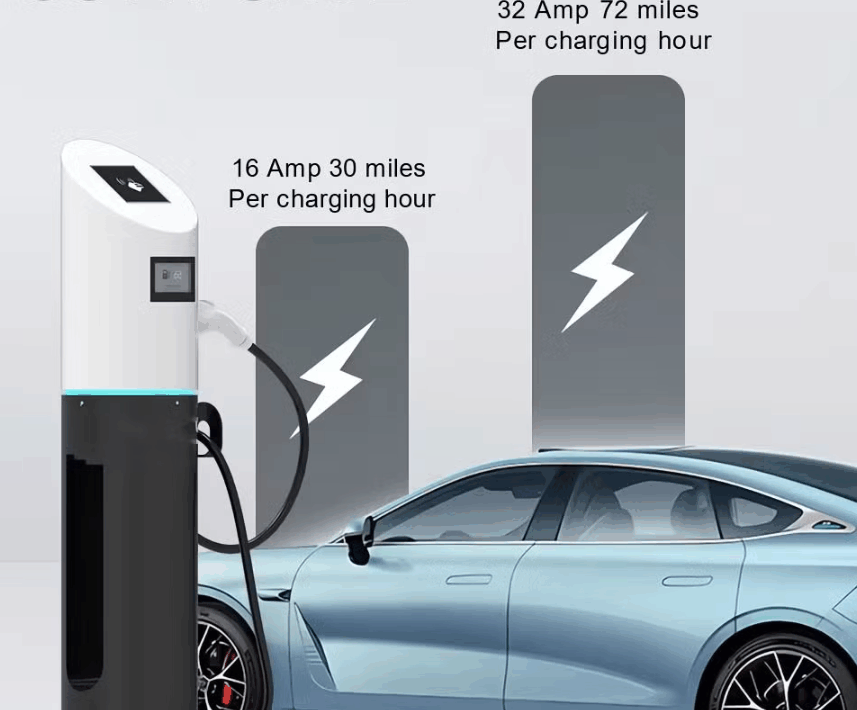
For 60kW–480kW high-power DC fast charging equipment, a high-order integrated monitoring architecture is adopted. Dual-line linear optocouplers independently collect the insulation status of positive and negative high-voltage busbars, combined with an independent PE disconnection detection circuit, which can accurately locate busbar insulation faults, adapting to the stringent safety requirements of high-power, high-voltage fast charging scenarios.
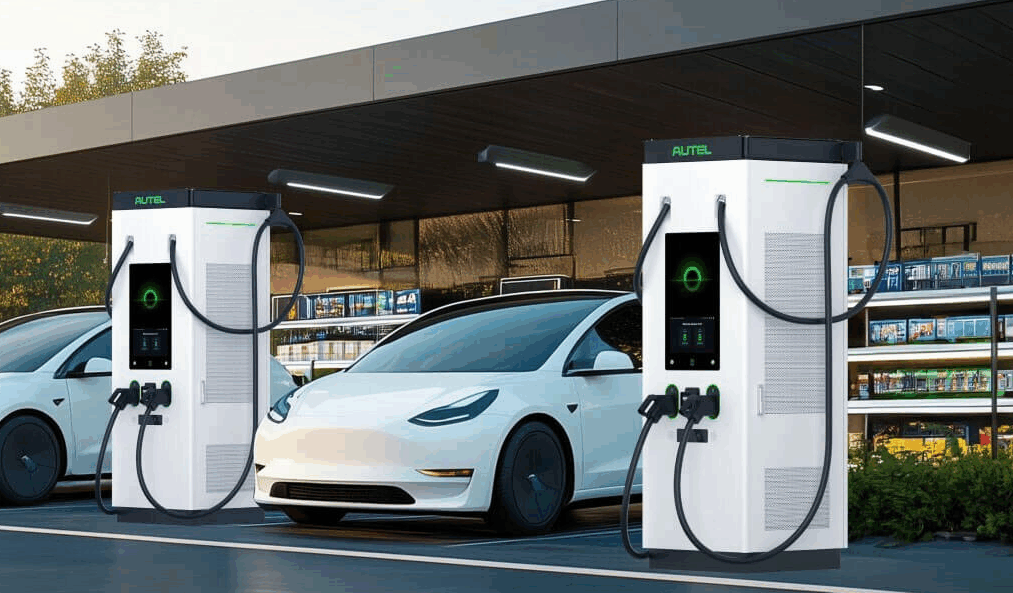
For outdoor charging piles, high-power chargers for heavy-duty logistics trucks, on-board chargers for construction machinery, and PCS equipment for energy storage converters, a wide-temperature industrial-grade optocoupler enhancement solution is adopted. This solution can withstand complex and harsh operating conditions such as high and low temperatures, high humidity, and strong vibration, ensuring stable monitoring around the clock and a low false alarm rate.
For special high-voltage insulation applications such as ships and ports, an integrated device with enhanced insulation is used. The optocoupler isolation withstand voltage is increased to 5000Vrms, further strengthening high and low voltage isolation capabilities and anti-interference performance, meeting the high standards of safety protection and safety testing requirements for special power equipment.
Conclusion
As charging voltage continues to increase, insulation monitoring alone is no longer sufficient to guarantee electrical safety. PE conductor integrity is equally critical because it determines whether fault current can be safely discharged.
Blue Jay IMD with PE monitoring combines insulation supervision and protective earth continuity detection into one compact solution. Through optical isolation technology and intelligent fault management, it provides a higher level of protection for modern EV charging infrastructures.