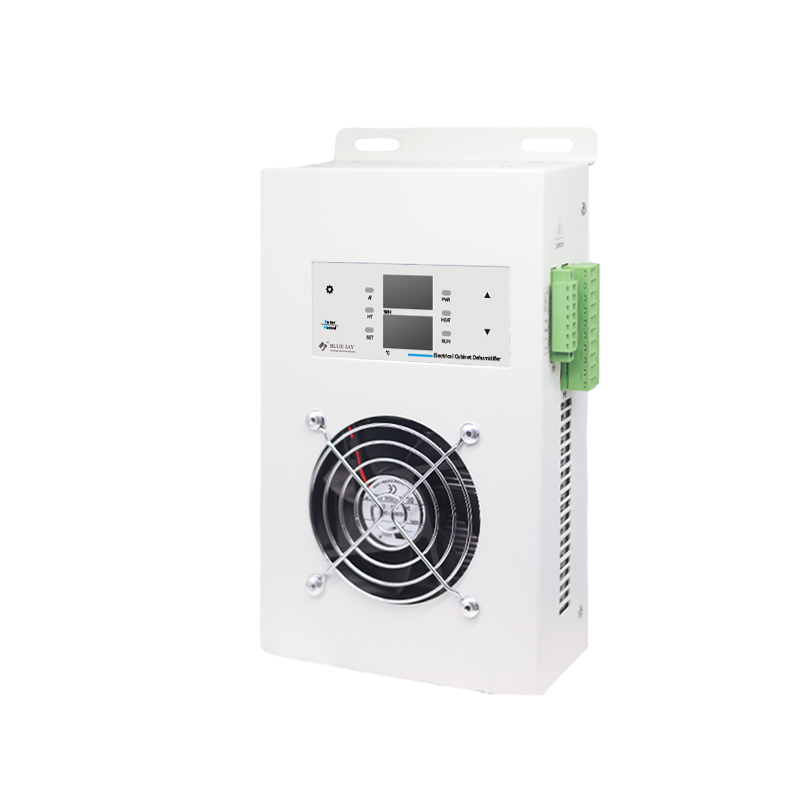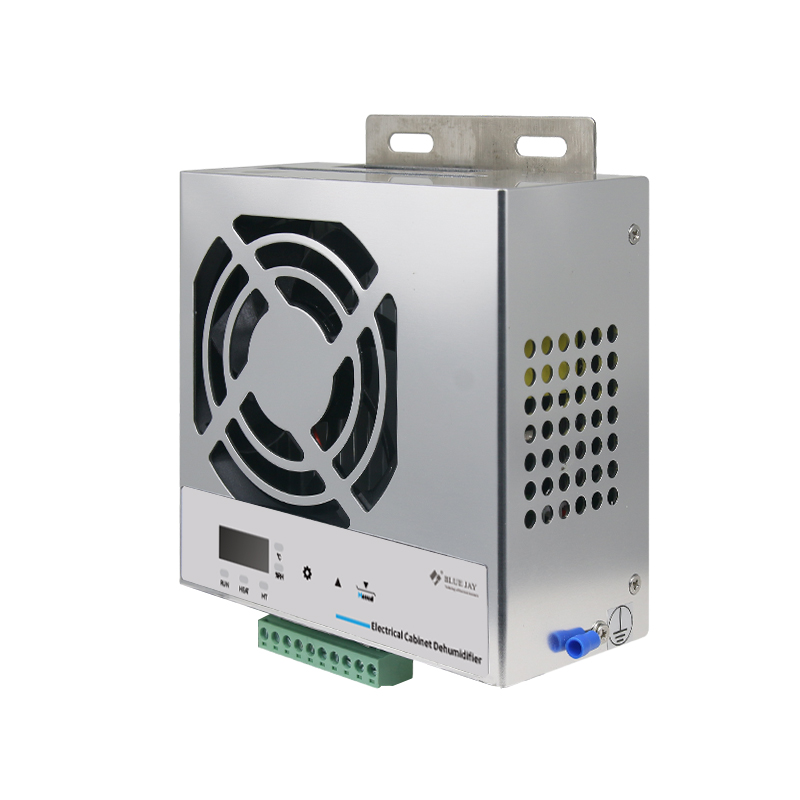
What is electric cabinet dehumidifier construction
Do you know the electric cabinet dehumidifier construction? This
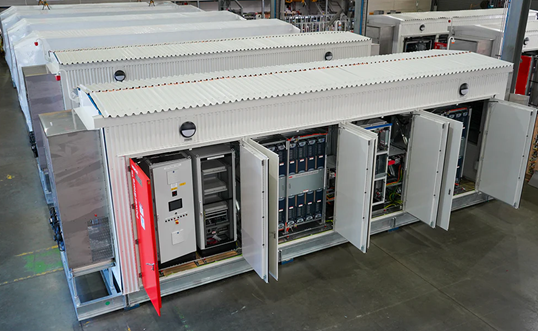
In energy storage systems, managing the humidity inside energy storage containers is crucial for equipment safety and longevity. The dehumidification requirement varies between containers, so selecting a dehumidifier must be based on the internal volume of the container and the operational environment. Generally, the dehumidification capacity per cubic meter can follow industry standards; for containers with a humidity requirement of 40%-60% RH, 0.5–1 L/h per cubic meter may be needed. However, the exact value must be adjusted according to actual conditions. This article will introduce Energy Storage Container Dehumidifier sizing consideration from the storage container environment, heat generated by internal equipment, the container’s airtightness, the humidity sensitivity of internal electronic components, the container’s frequency of use, etc.
Ambient Humidity and Climate Conditions
Firstly, the climate conditions surrounding the energy storage container (ESS) should be considered. In humid regions, where air humidity is consistently high, a larger dehumidification capacity of ESS dehumidifier is required. For example, in areas with an annual average humidity above 75%, the required dehumidification may need to be 30%-50% higher than in drier regions. Seasonal humidity variations should also be taken into account, as summer humidity can be 30%-50% higher than winter, and the dehumidifier must adapt to these fluctuations.
Moreover, the ventilation condition of the container environment affects the dehumidification requirement. Poorly ventilated environments make it difficult for water vapor to escape, so the dehumidifier must handle a higher load, typically increasing the capacity by 20%-30%.
Impact of Internal Equipment Heat on Humidity
Internal equipment generates heat, causing increased water vapor evaporation inside the container. According to the heat-humidity ratio principle, each kilowatt of heat from the equipment may result in an additional 0.1–0.2 L/h of water vapor. Therefore, when calculating dehumidification capacity of ESS dehumidifier, the impact of equipment heat should be considered to maintain humidity within an acceptable range.
Energy Storage Container Sealing and Material
The sealing of the energy storage container directly affects the dehumidification requirement. Well-sealed containers have less air exchange, allowing for a smaller dehumidification capacity. Poorly sealed containers allow humid air ingress, requiring a 20%-40% increase in capacity. Additionally, ESS materials influence water vapor adsorption and release. Metal containers adsorb less moisture, while wood-lined containers retain more, so dehumidification capacity for wood-lined containers should be increased by 10%-20%.
Humidity Sensitivity of Electronic Components and Usage Frequency
High-precision electronic components inside the ESS are highly sensitive to humidity, tolerating fluctuations of less than ±5% RH. In such cases, a higher dehumidification capacity is necessary to ensure safety.
Usage frequency of ESS
Usage frequency is also a factor in selecting dehumidification capacity. ESS used frequently, with more personnel and equipment traffic, generate more moisture, requiring a 15%-25% increase over the standard dehumidification capacity.
Lifespan of ESS
The dehumidification capacity should be selected based on the designed service life of the energy storage container. If the designed service life is relatively long, the Energy storage container dehumidifier’s capacity must be selected to satisfy humidity control requirements throughout the entire lifecycle in order to maintain a stable humidity environment over the long term; reference data from similar projects may be consulted for this purpose.
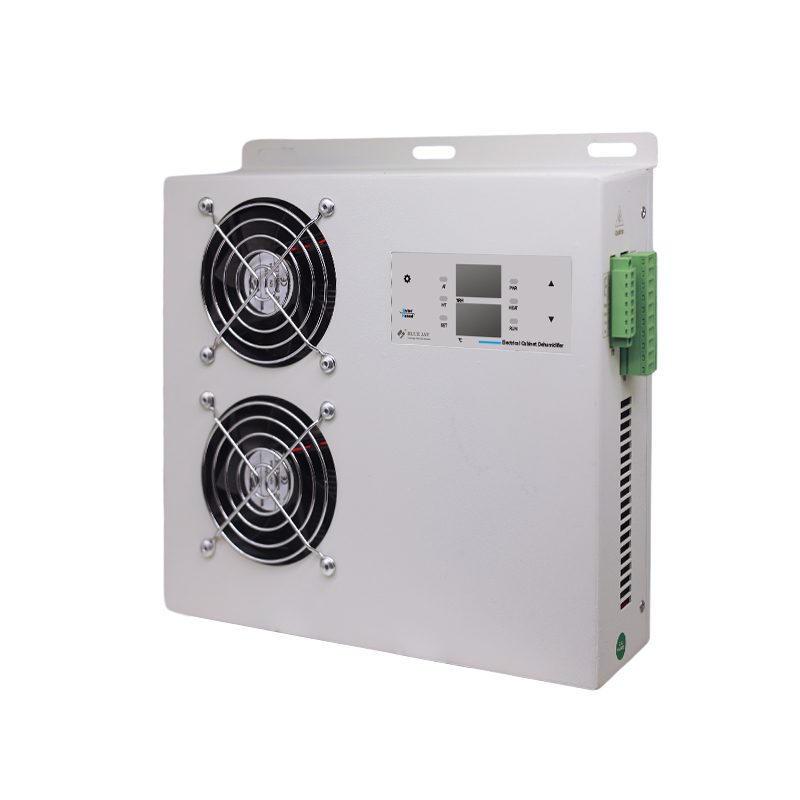
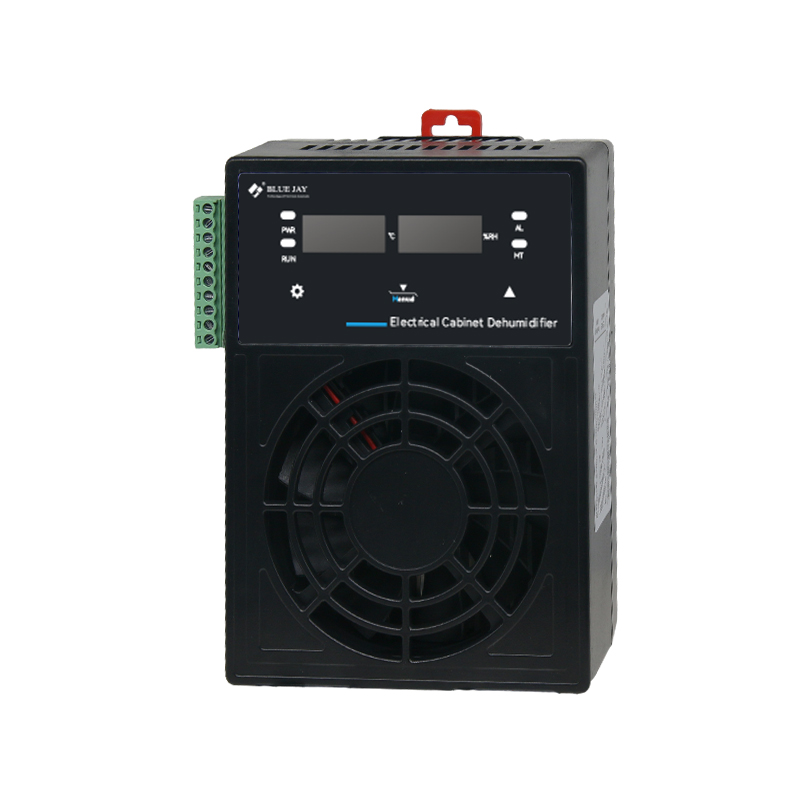
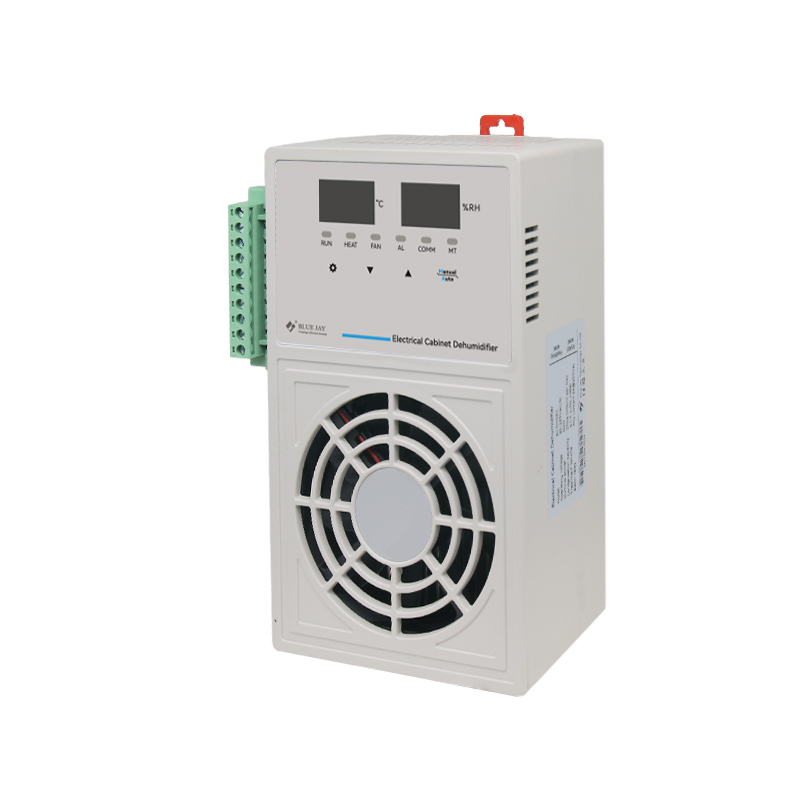
Selecting enclosure dehumidifiers for energy storage containers requires a comprehensive consideration of internal volume, ambient humidity, equipment heat generation, container sealing and material, humidity sensitivity of internal electronic components, and usage frequency. By calculating and adjusting the dehumidification capacity appropriately, a stable humidity environment can be maintained, enhancing the reliability and lifespan of energy storage equipment.

Do you know the electric cabinet dehumidifier construction? This

There are many industrial enclosure dehumidifier types based on

Blue Jay Electrical cabinet dehumidifier application includes control cabinets,