How to Choose Capacitive voltage sensor for Voltage Indicators
What are capacitive voltage sensors? Capacitive voltage sensors—comprising a
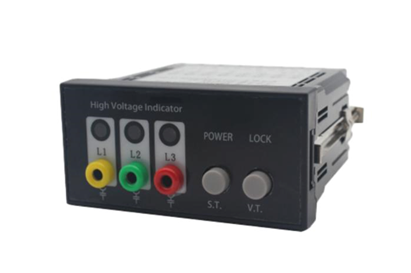
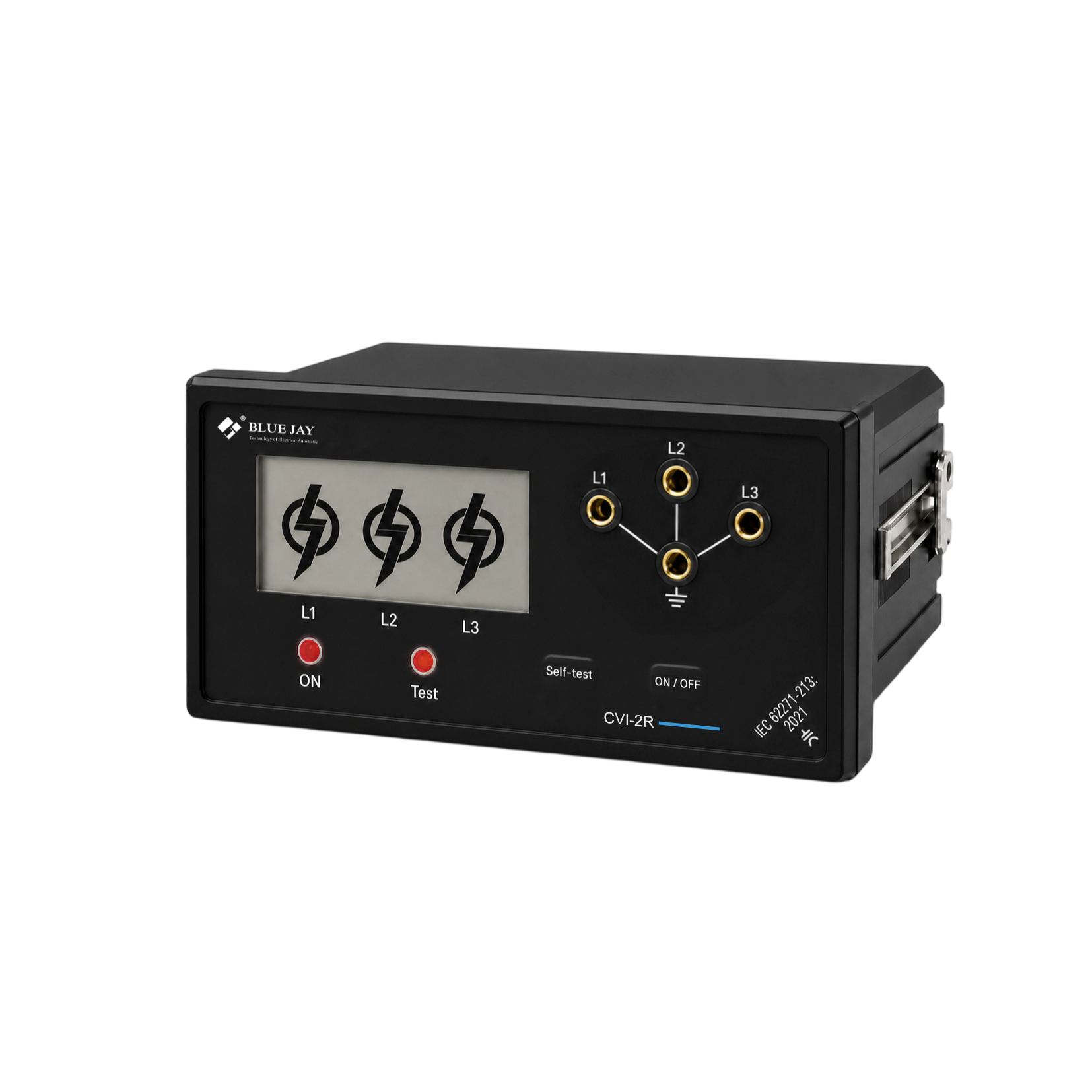
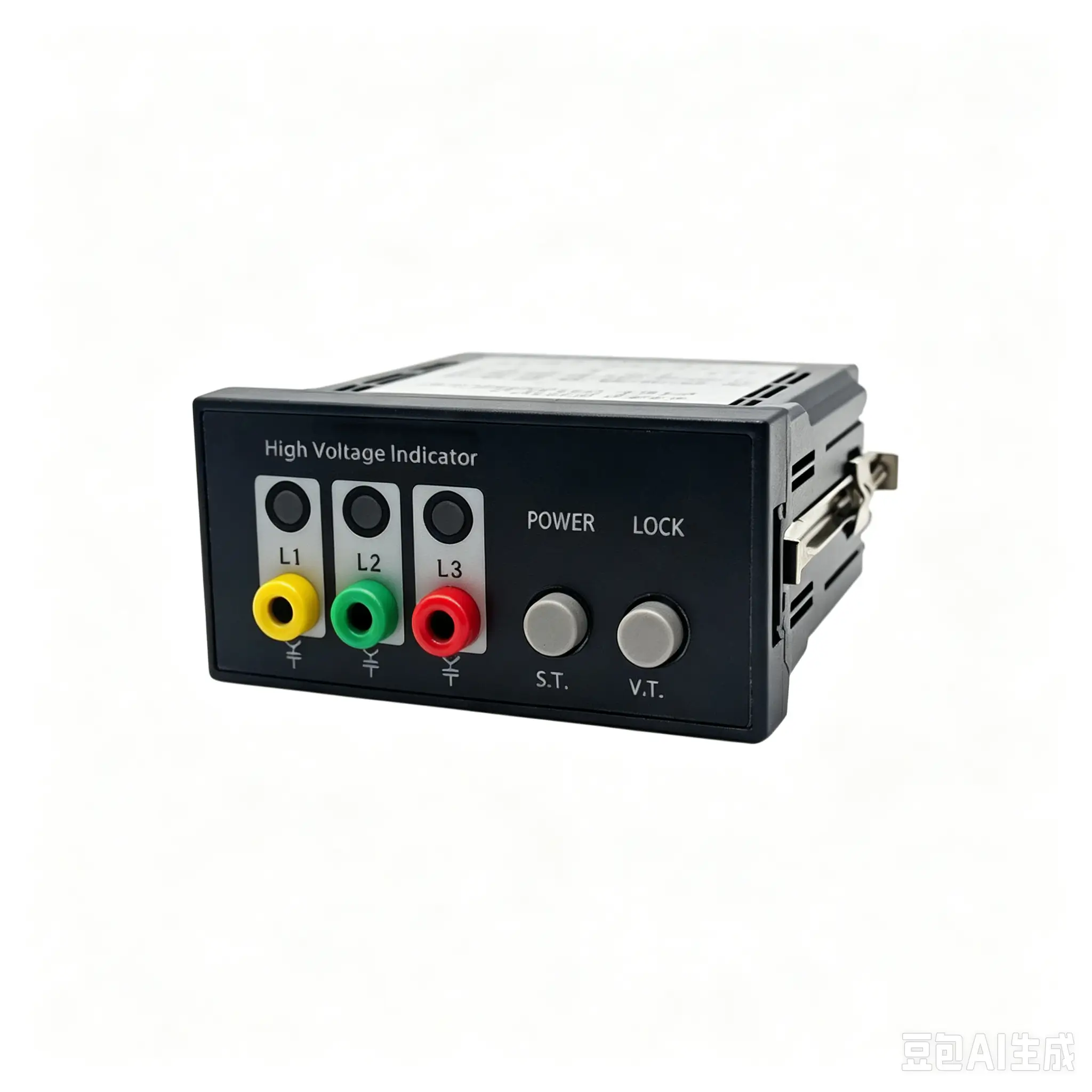
A Capacitive Voltage Indicator (CVI) is widely used in medium- and high-voltage switchgear systems to indicate the presence or absence of voltage on live conductors. It improves operational safety during maintenance and switching operations by providing clear voltage indication status.
Selecting the correct capacitive voltage indicator requires consideration of system voltage, sensor compatibility, cable characteristics, and functional requirements. Incorrect selection may lead to inaccurate indication, unreliable operation, or insulation safety risks.
First, confirm the system rated voltage from the metal nameplate located on the front or side of the switchgear cabinet.
Common voltage classes include:
After determining the voltage level, the rated voltage of both the capacitive voltage indicator and the sensor must be equal to or higher than the actual system voltage.
For example:
Selecting a lower voltage class may result in insulation failure, inaccurate indication, or unsafe operation.
A capacitive voltage indicator operates based on a capacitive voltage divider circuit.
Therefore, the sensor and indicator must be properly matched to ensure accurate voltage indication and stable operation.
The recommended methods are:
Capacitance mismatch may cause:
Cable characteristics significantly affect the performance of a capacitive voltage indication system.
Important factors include:
Different cable structures and insulation materials produce different distributed capacitance values, which directly influence the sensor coupling performance and voltage indication accuracy.
Longer cables or higher capacitance cables may increase coupling capacitance and affect indication sensitivity.
Therefore, during product selection, the cable parameters should be evaluated together with the sensor specifications to ensure proper system compatibility.
Different capacitive voltage indicators provide different functional configurations.
Common functions include:
Users should select the required functions according to application requirements, operating habits, and system integration needs.
For basic voltage presence indication, LED indication may be sufficient.
For intelligent switchgear systems, LCD display, relay outputs, and adjustable threshold settings are often preferred.
Selecting the correct capacitive voltage indicator is critical for system safety and reliable voltage indication. Proper selection should consider:
A properly matched system ensures accurate voltage indication, stable operation, and long-term reliability.

What are capacitive voltage sensors? Capacitive voltage sensors—comprising a

According to the voltage thresholds for voltage indication in

Understanding voltage classification is essential for the proper application