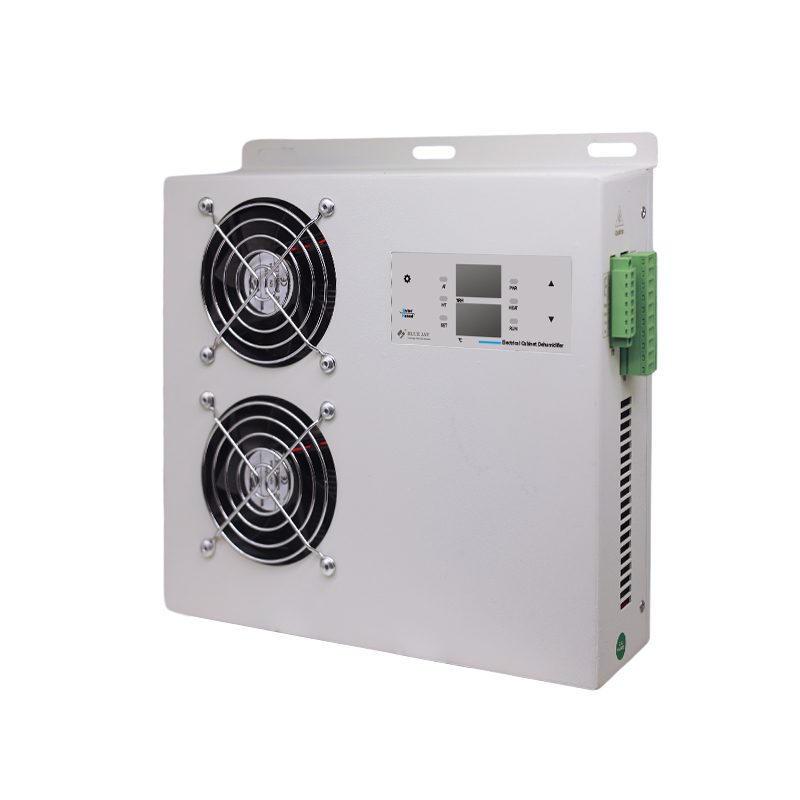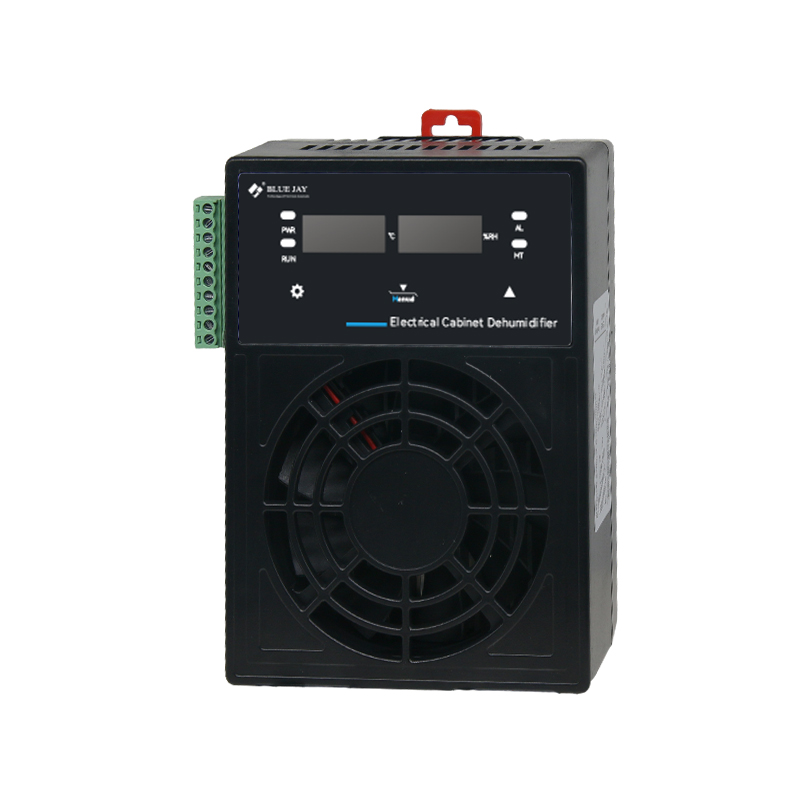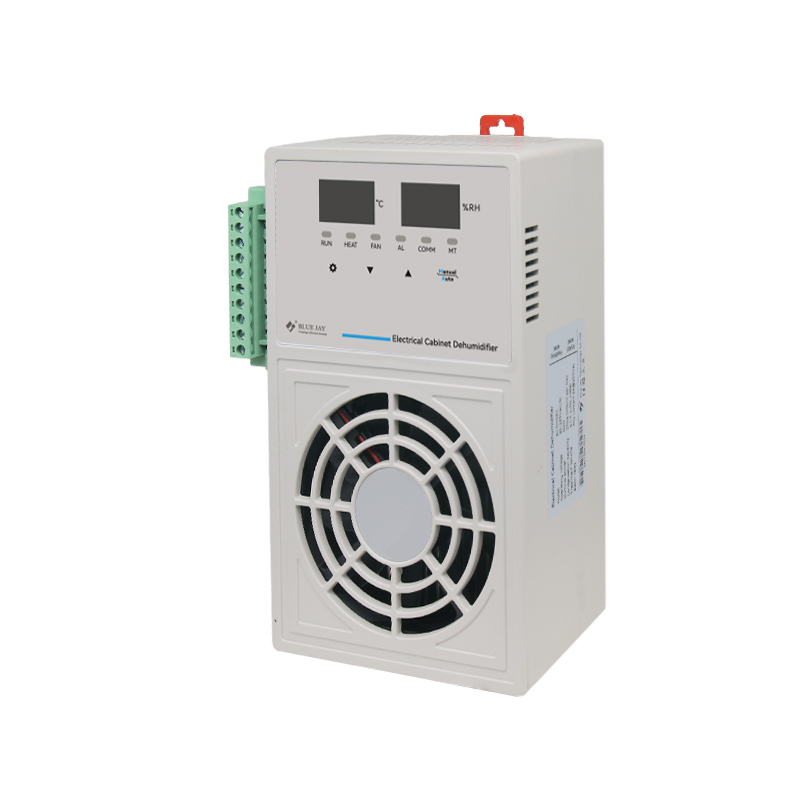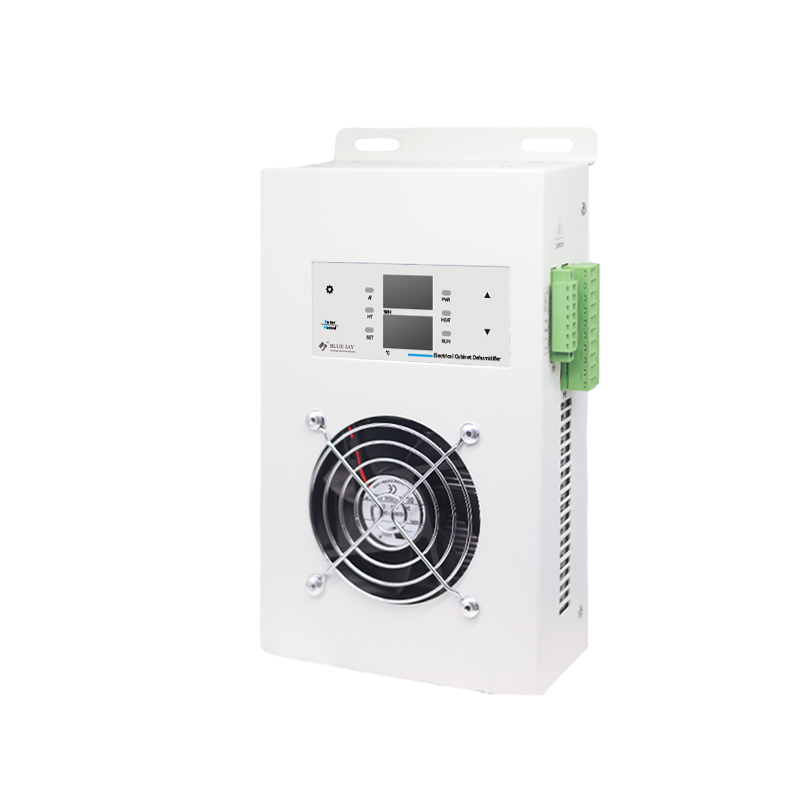
Peltier vs compressor dehumidifier – what’s difference?
Peltier vs Compressor Dehumidifier is a critical comparison, while you selecting dehumidification technology for different applications. These two types of dehumidifiers differ significantly in their working principles, efficiency, and suitability for various environments. While compressor-based dehumidifiers dominate industrial and high-capacity applications, Peltier dehumidifiers provide a compact and quieter alternative for small-scale use. This article examines their fundamental differences, advantages, disadvantages, and typical applications.
Peltier vs. Compressor Dehumidifier in Working Principle
Peltier Dehumidification (Thermoelectric Cooling)
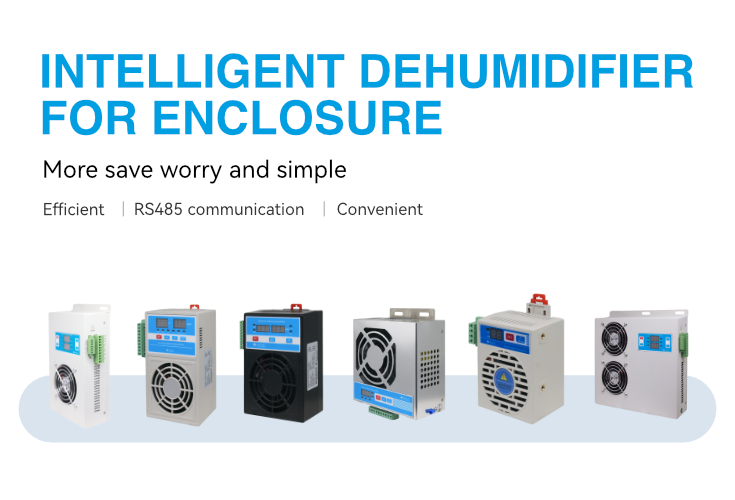
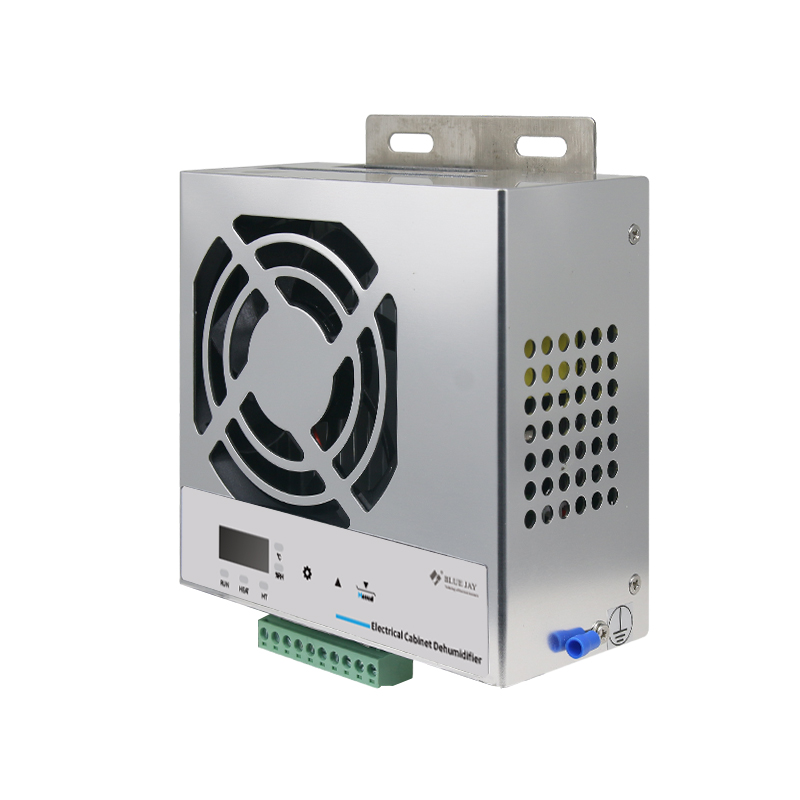
Peltier dehumidifiers operate based on the thermoelectric effect. When an electric current passes through a Peltier module, it creates a temperature differential—one side becomes cold, and the other heats up. Moist air contacts the cold surface, causing water vapor to condense and collect in a reservoir. The heat generated on the opposite side is dissipated using a heat sink and fan.
Compressor-Based Dehumidification (Refrigeration Cycle)
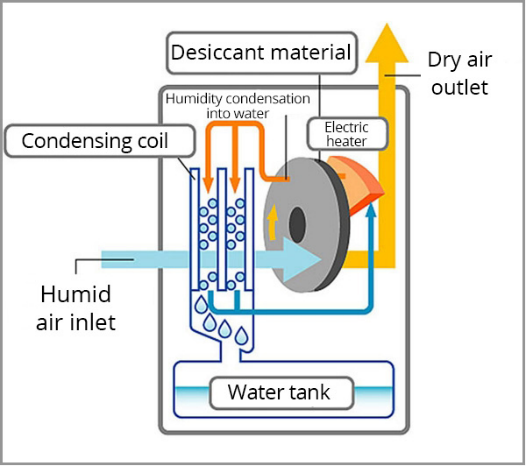
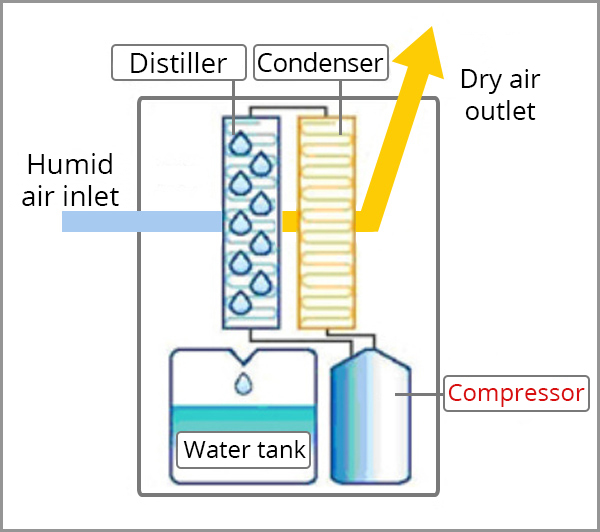
Compressor dehumidifiers, also called condensing dehumidifiers, work by using a refrigeration cycle, much like an air conditioner. They have two main coils: an evaporator and a condenser. A fan pulls humid air across the cold evaporator coil, which is chilled to a temperature below the air’s dew point. This causes the moisture in the air to condense into water droplets, similar to how condensation forms on a cold glass. These droplets then collect and drain away. Before the now-dried air is released back into the room, it passes over the condenser coil, which warms it up a bit. This process lowers the overall humidity in the space.
Peltier vs compressor dehumidifier in advantages and disadvantages
Key characteristics of Peltier dehumidification
- Compact design due to the absence of compressors and refrigerants.
- Minimal vibration and low noise operation.
- Eco-friendly and energy-efficient, as it does not require refrigerants.
- Capable of both cooling and heating within the same unit.
- Fast response time with precise humidity control.
Key characteristics of Condensing dehumidifier
- Highly efficient moisture removal, suitable for large spaces.
- Can operate across a wide humidity and temperature range.
- Various capacity options are available to meet different dehumidification needs.
- More energy-efficient than desiccant-based dehumidifiers, particularly in high humidity conditions.
- Generates some operational noise, though modern units are relatively quiet.
- Requires periodic maintenance, such as refrigerant checks and coil cleaning.
| Feature | Peltier Dehumidifier | Compressor Dehumidifier |
| Energy Efficiency | Low power consumption but limited moisture removal | More energy-efficient for large-scale dehumidification |
| Moisture Removal Rate | Limited capacity (0.3-1L/day) | High capacity (10-50L/day) |
| Operating Temperature | Effective in warm environments (15-30°C) | Performs well in temperatures above 10°C but less effective in cold conditions |
| Noise Level | Near-silent due to lack of mechanical components | Moderate noise from compressor and fan |
| Size & Portability | Compact, lightweight, and easy to transport | Larger and heavier due to compressor and coil system |
| Maintenance | Minimal maintenance required | Requires filter cleaning and refrigerant management |
| Durability & Lifespan | Long lifespan with fewer mechanical failures | Subject to wear and tear of compressor components |
Peltier vs compressor dehumidifier in application
Peltier Dehumidifiers application
- Ideal for small spaces such as, closets, offices, and vehicles.
- Best for moderate humidity control where excessive moisture is not a major concern.
- Suitable for silent operation environments like libraries, medical storage, and laboratories.
- Less effective for large-scale dehumidification or high-humidity environments.
Compressor Dehumidifiers applications
- Widely used in industrial, commercial, and residential applications, including basements, warehouses, and factories.
- Effective in high-humidity environments, preventing condensation, mold, and mildew.
- Preferred for continuous operation, such as in data centers, food storage facilities, and production areas.
- Not ideal for low-temperature applications, as coils may freeze.
Conclusion
Both Peltier and compressor-based dehumidifiers offer unique advantages, depending on the intended application. Peltier dehumidifiers provide a compact, quiet, and energy-efficient solution for small spaces with moderate humidity levels, while compressor dehumidifiers deliver powerful moisture removal, making them suitable for larger industrial and residential settings. Choosing the right dehumidification technology requires balancing efficiency, capacity, noise levels, and maintenance needs to ensure optimal performance.