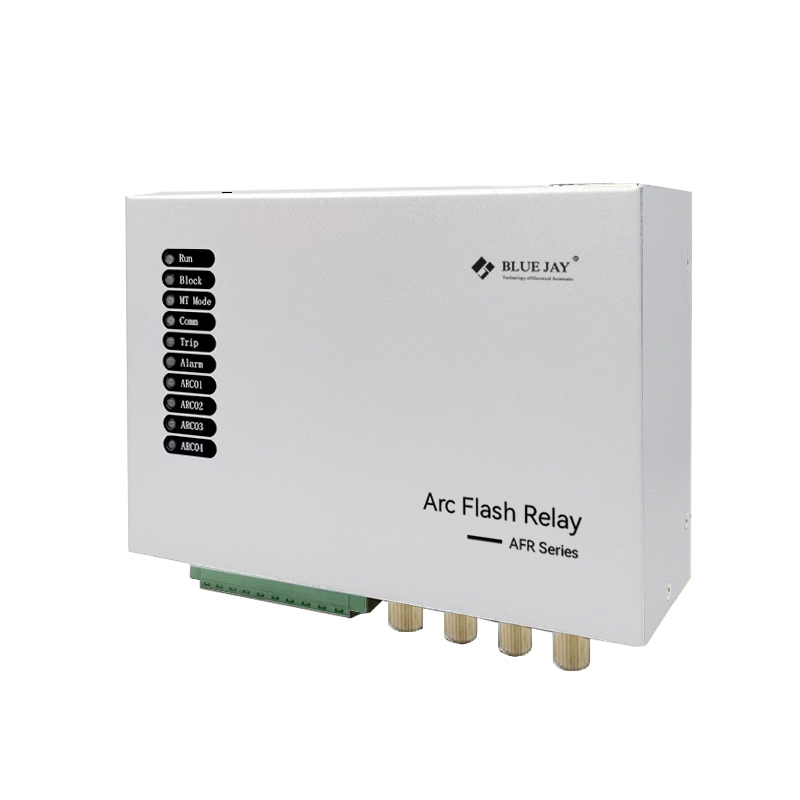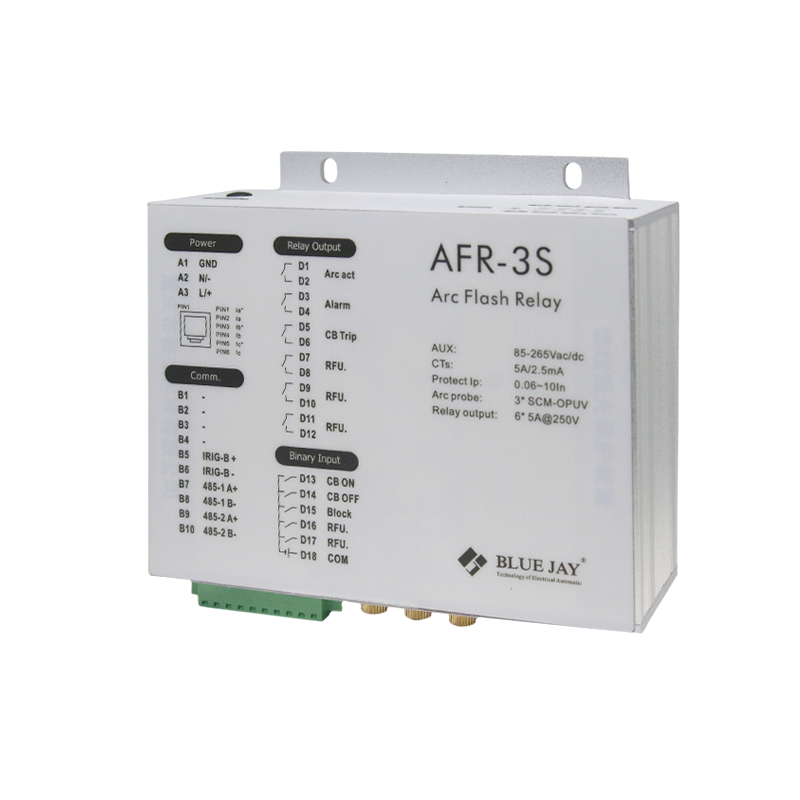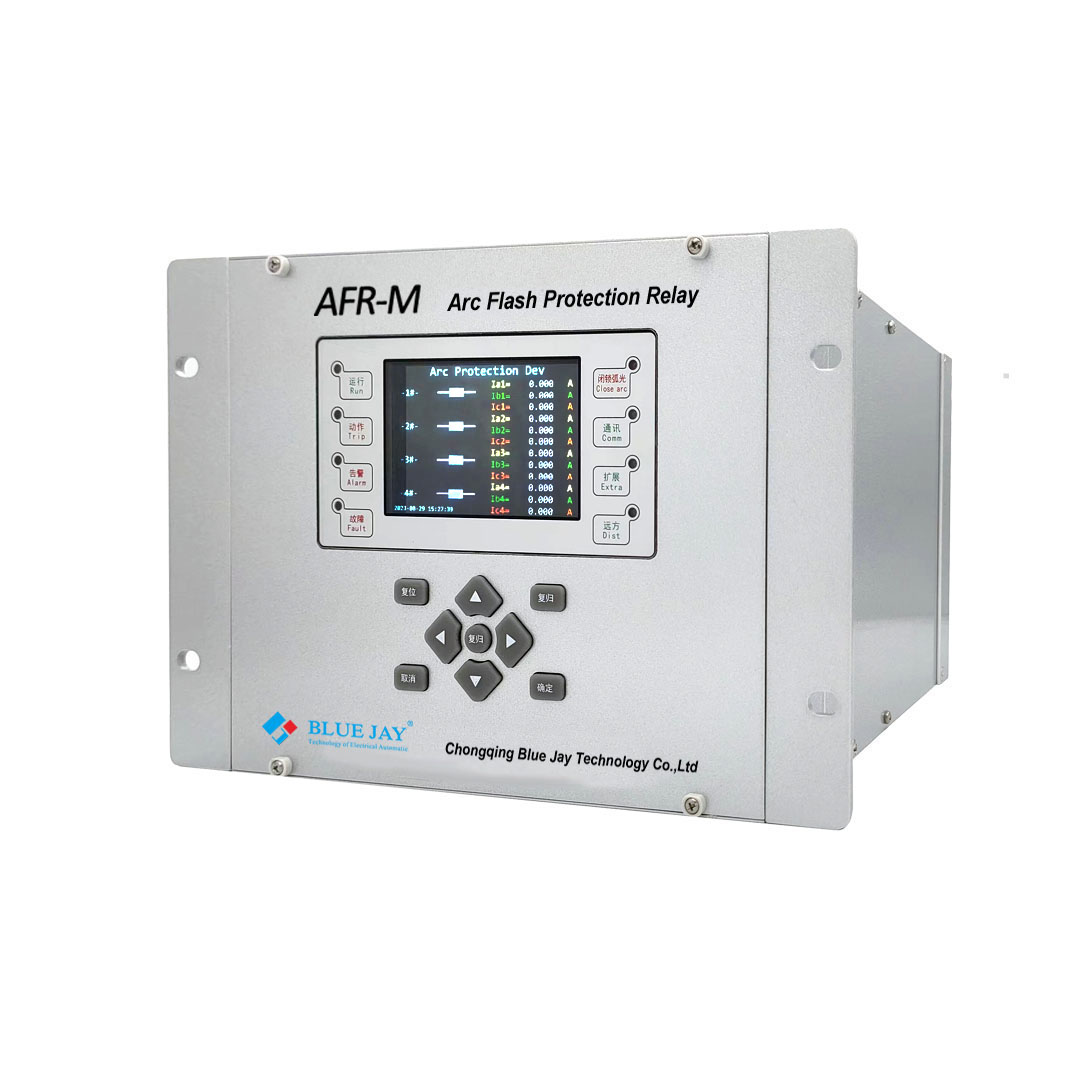

What Is Arc Flash Relay?
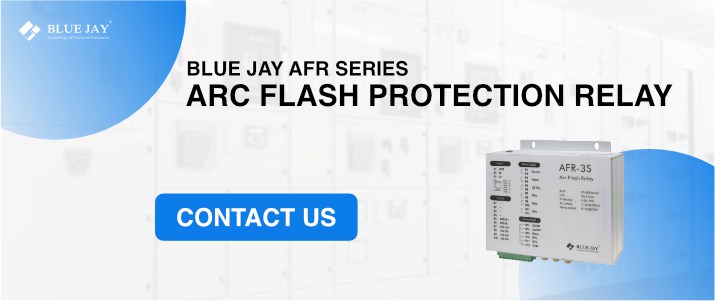
Arc flash relays are vital safety devices in power systems, particularly high-voltage setups, protecting equipment and personnel from dangerous arc flash incidents. These arc flash relays rapidly detect arc faults by monitoring circuit current and voltage, interrupting the fault within milliseconds to prevent harm.
Their growing use in various power systems, including power plants, substations, and industrial facilities, highlights their significance in preventing arc flash.
This article will detail their operational principles, the different types available, their key features and benefits, and their applications across industries.
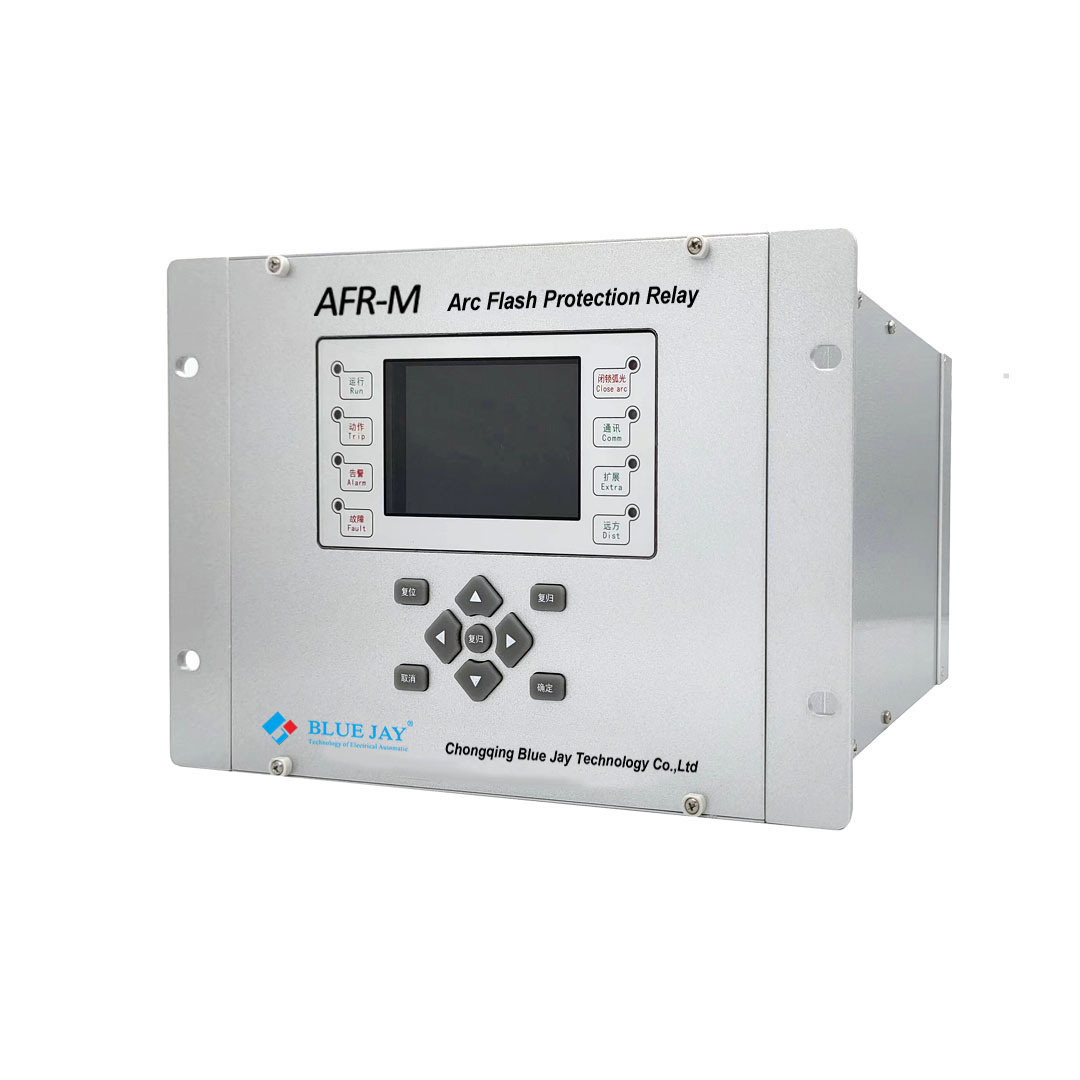
Working Principle of Arc Flash Relay
There are three main ways to detect arc flash: using only current sensing, only light sensing, or a combination of both current and light sensing. Relying solely on current sensing is the traditional approach to arc flash protection, but it’s often too slow to effectively prevent damage. To achieve faster arc flash prevention, light-sensing solutions emerged. However, these can sometimes incorrectly identify non-arc events as arc flashes. That’s why combining both light and current sensing is now a common and more reliable solution for arc flash protection.
Nowadays, arc flash protection relays are electrical protection devices based on light sensing and current sensing. However, there are a few arc flash protection relays based on optical principles, which identify arc flash by monitoring for light arcs in electrical systems. Regardless of how an arc flash protection system works, its main purpose is to quickly disconnect the electrical circuit when an arc flash happens. This rapid disconnection is crucial for protecting the electrical system and ensuring the safety of personnel.
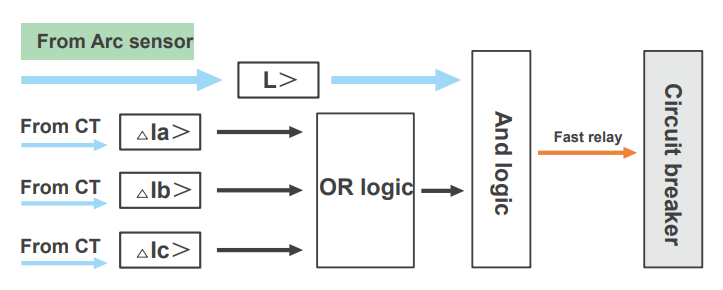
Arc relays work by monitoring the current and voltage levels in the system and activating if there is a sudden increase. Once activated, the relay opens the circuit breaker, stopping the current and preventing an arc flash.
The working principle of intelligent arc flash mitigation relays can be simply described as the following steps:
- Light and Current Detection: Arc Flash protection relay monitors electrical systems for optical flash arcs and current. When the current is consistent with the signal from optical/Fiber-Optic /point arc flash sensors, the arc flash protection system will recognize it as an arc flashover and transmit tripping signals to Zone/Tie/upstream circuit breakers.
- Response: Once the Arc Flash Protection Relay recognizes an arc flash over, it quickly disconnects the circuit to avoid further damage to the electrical system and personal injury.
- Alarm: The Arc Flash Relay can also alert operators by sound, light, or other means to alert them of an arc flashover.
Types of Arc Flash Relay
Arc Flash protection relays can be divided into the following categories according to their applications and functions:
- Single arc flash over detector: used to detect single arc flash over, and quickly disconnect the circuit to protect the electrical system and personnel safety.
- Multi channel arc flash-over detector: used to detect two or more arc flash over, and quickly disconnect the circuit to protect the electrical system and personnel safety.
- Programmable Arc Flash Relays: With programmable functions, they can be set according to the needs of the electrical system to achieve the best protection effect.
- Busbar Arc Flash Protection Relays: These are specifically designed for the protection of busbars in switchgear assemblies.
- Low-Voltage and Medium-Voltage Arc Flash Relays: Arc fault protection relays are available with different voltage ratings to suit low-voltage (LV) and medium-voltage (MV) electrical systems
- By Detection Method: Optical arc flash detection relays, Current-Based Arc Flash Relays, Combined Light and Current Arc Flash Relays
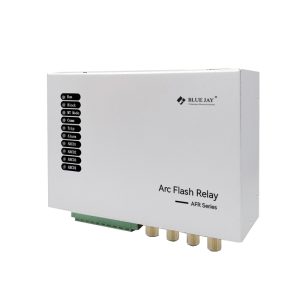
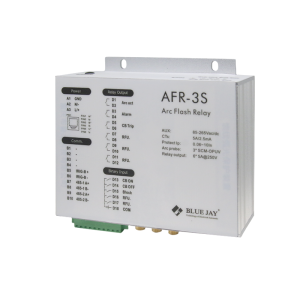
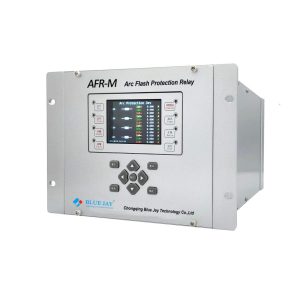
Features of Arc Flash Relay
- Arc Protection Relays have the characteristics of a fast response. They are able to respond within milliseconds of an arc flash and open circuits quickly to protect electrical systems and personnel. This ability to respond quickly is extremely important because an arc flashover event can cause serious damage and injury in an extremely short period of time. Therefore, the quick response capability of arc protection relay can effectively reduce the risk of electrical accidents.
- Arc Flash Protection Relays have the characteristics of high sensitivity. They are capable of detecting tiny light arcs in electrical systems to avoid arc flashover events. This high sensitivity feature enables arc detection relay to more accurately control the operation of the electrical system, thereby improving the safety and reliability of the electrical system.
In addition to the above features, Arc Flash Relays also have some other advantages. For example, they are flexible and scalable and can be configured and expanded according to actual needs. In addition, they can be integrated with other protective devices and control systems for more comprehensive and efficient electrical system protection.
Benefits of Arc Flash Relay
The benefits of arc gates are mainly reflected in the following aspects:
- Protect the safety of the power system: the arc flash relay can detect the arc event in the circuit, and cut off the fault circuit within a few milliseconds, prevent the arc event from spreading, and protect the safety of the power system and workers. This can reduce the occurrence of power system accidents, reduce maintenance costs, and improve the reliability and stability of the power system.
- Improve equipment life: arc protection relay can avoid arc events in the circuit, reduce equipment wear and damage, and prolong equipment life. This reduces the cost of equipment repair and replacement and improves the operating efficiency of the power system.
- Improve the efficiency of the power system: the arc protection relay can cut off the fault circuit in time to avoid energy loss and waste in the power system. This can improve the operating efficiency of the power system and reduce the energy consumption and cost of the power system.
- Improve work efficiency: The arc protection relay can automatically detect arc events in the circuit, avoiding the tedious process of manual detection, improving work efficiency, and reducing the impact of human factors on the operation of the power system.
- Realize intelligent management: the arc protection relay can be connected with other intelligent equipment such as protective equipment and a monitoring system to realize intelligent management of the power system. This can improve the safety, reliability, and controllability of the power system, and improve the intelligence level of the power system.
In short, the arc flash detection device is an important protection equipment in the power system, which has the advantages of protecting the safety of the power system and staff, improving the life of the equipment, improving the efficiency of the power system, improving work efficiency, and realizing intelligent management. It is very necessary to widely use arc relays in power systems.
Application of arc flash relay
The application of arc flash detection relay is crucial in high-risk environments, such as power plants, data centers, and manufacturing facilities. These relays ensure the safety of workers and protect the equipment from damage caused by arc flashes. Arc fault protection system are easy to install and can be integrated into existing electrical systems.
In addition to preventing arc flash events, arc flash relays can also help with incident investigations. They record the data related to the event, including the time, current, and voltage levels, and provide it for analysis. This information can help identify the cause of the event and prevent future incidents.
Overall, arc flash protection relays are an effective and necessary safety measure in electrical systems. They offer protection for workers and equipment and improve the overall safety of the workplace. The arc flash protection relay is mainly used in the following aspects:
- Electrical power systems with high fault currents
- Marine ship (such as MV marine switchgear)
- Facilities with large motors or generators
- Oil and gas refineries
- Chemical processing plants
- Water/wastewater treatment plants
- Data centers
- Hospitals and medical facilities
- Mining operation
- Wind turbines